What are Power Transformers and How Do They Work?
Power Transformers play a crucial role in transmission systems. They adjust voltage levels to ensure safe electricity distribution. According to renowned industry expert Dr. Emily Carter, "Power Transformers are the backbone of our electrical grid, enabling efficient power transfer and system stability."
These devices convert high voltage electricity to lower levels for consumer use. They work by electromagnetic induction, forming a magnetic circuit between primary and secondary coils. This process is essential for delivering power over long distances. Each transformer is designed for specific voltage and power levels, enhancing reliability.
However, the industry faces challenges. Aging infrastructure can lead to failures, disrupting service. Regular maintenance and advancements in technology are vital for improving performance. Investing in smarter transformers may enhance efficiency and reduce losses. Thus, understanding Power Transformers is not just technical—it's essential for modern energy demands.
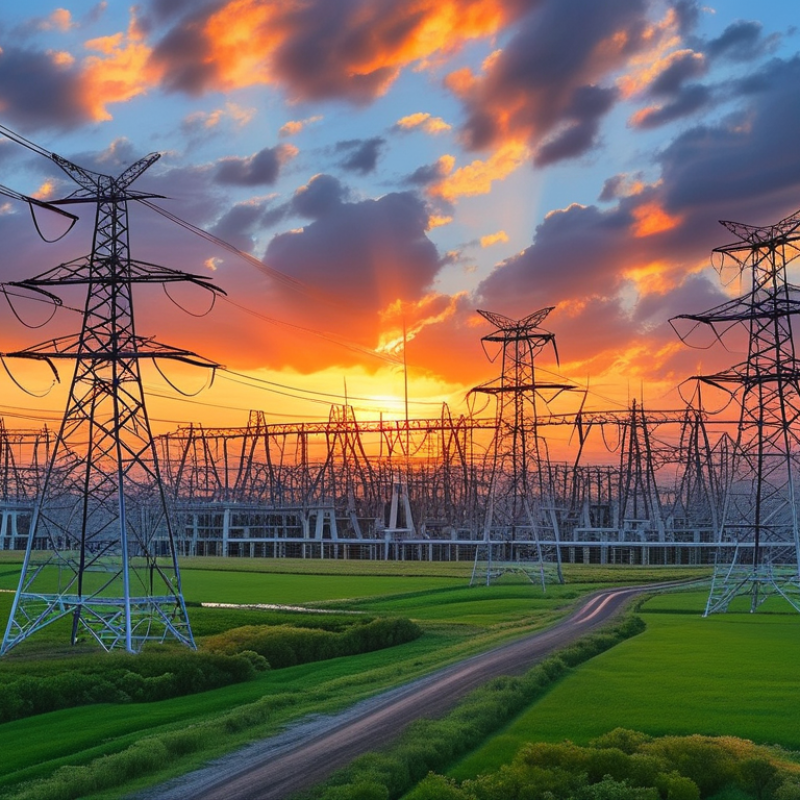
What is a Power Transformer?
Power transformers play a crucial role in the electrical grid. They adjust the voltage levels between various parts of power systems. This function ensures that electricity can be transmitted efficiently over long distances. A power transformer transfers electrical energy through magnetic fields, allowing it to step up or step down voltage as needed.
In simple terms, a power transformer consists of two coils of wire wrapped around a core. When electricity flows through one coil, it generates a magnetic field. This field induces a current in the second coil, transferring energy. The transformation ratio depends on the number of turns in each coil. This process is safe and efficient if designed correctly.
Tips for ensuring transformer efficiency include regular maintenance checks. Keep an eye on connections and insulation. Overheating can lead to failures, so ensure adequate cooling systems are in place. Additionally, be aware of environmental factors that could impact performance. Power transformers are reliable, but monitoring is essential to prevent unexpected downtime. Regularly reviewing operational performance can help identify potential issues before they escalate.
Basic Components of Power Transformers
Power transformers are essential in electrical power systems. Understanding their basic components helps clarify their role. A transformer typically consists of three main parts: the core, windings, and insulation. The core is made of laminated steel sheets, which minimizes energy losses. It provides a pathway for the magnetic flux generated by the alternating current.
Windings, found on either side of the core, are composed of copper or aluminum. The primary winding receives alternating current. In contrast, the secondary winding delivers the transformed voltage. The ratio of turns in these windings determines the voltage change. Good insulation ensures that the heat generated does not damage these components.
These components work together to efficiently transfer electrical energy from one circuit to another. However, even quality transformers can experience issues. Over time, insulation can degrade, leading to potential failures. Regular maintenance and monitoring are necessary to ensure their reliability. Engineers must constantly evaluate performance to avoid disruptions in power supply.
Power Transformers: Basic Components Breakdown
Principles of Operation in Power Transformers
Power transformers play a critical role in electricity distribution. They step up or step down voltage levels to ensure efficient power transmission. The operation principles revolve around electromagnetic induction. When alternating current flows through the primary winding, it creates a magnetic field. This magnetic field induces a voltage in the secondary winding, transforming the voltage.
Designs vary, impacting performance and efficiency. According to a report from the International Energy Agency, modern transformers can achieve efficiencies of over 98%. This high efficiency minimizes energy losses during transmission. However, even minor design flaws can lead to performance declines and increased operational costs. Regular maintenance and performance assessments are crucial.
For operators, it's essential to monitor temperature and load conditions closely. Overheating can damage insulation, leading to transformer failure. Evaluating insulation health can prevent costly downtimes. Using advanced diagnostic tools helps identify potential issues early. A proactive approach ensures reliability and extends the transformer’s operational life.
What are Power Transformers and How Do They Work? - Principles of Operation in Power Transformers
| Parameter |
Description |
Importance |
| Voltage Rating |
Defined input and output voltage levels to ensure efficient energy transfer. |
Crucial for system compatibility and safety. |
| Power Rating |
Maximum power that the transformer can handle, usually expressed in megavolt-amperes (MVA). |
Determines the transformer's load-carrying capability. |
| Turns Ratio |
Ratio of the number of turns in the primary winding to the number in the secondary winding. |
Essential for defining voltage transformation between circuit sides. |
| Efficiency |
The ratio of the output power to input power, expressed as a percentage. |
Higher efficiency reduces energy losses during operation. |
| Impedance |
The opposition to alternating current flow, determined by the transformer's design. |
Affects voltage regulation and fault current levels. |
Types of Power Transformers and Their Applications
Power transformers are essential components in electrical power systems. They can be classified into different types based on their application. The main types include step-up transformers, step-down transformers, and isolation transformers. Each type has unique features and uses.
Step-up transformers increase voltage levels, making transmission efficient over long distances. They are commonly found in power generation stations.
On the other hand, step-down transformers reduce high voltage to safer levels for utilization in homes and industries. Their role in everyday electricity supply is critical.
Isolation transformers provide electrical separation between circuits. They help enhance safety and improve equipment performance. Their application is essential in sensitive environments, such as hospitals or laboratories.
Despite their significance, choosing the right transformer can be challenging. Factors like load requirements and efficiency play key roles. Users must consider these aspects carefully, as small oversights can lead to inefficiencies or safety risks.
Maintenance and Safety Considerations for Power Transformers
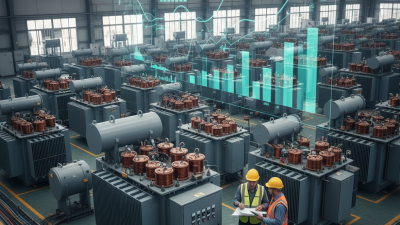
Power transformers play a vital role in electrical systems, ensuring voltage transformation for efficient energy distribution. Their maintenance is crucial for safety and reliability. According to the IEEE, improper maintenance contributes to 30% of transformer failures. Regular inspections can significantly reduce this risk.
One key maintenance practice is conducting regular thermographic inspections. These help identify overheating components before they cause failures. In a study by the Electric Power Research Institute, thermographic surveys found problems in 20% of inspected transformers, highlighting the need for consistent monitoring. Furthermore, fluid analysis of transformer oil can reveal insulation degradation. Monitoring trends can predict failures, allowing for proactive measures.
Safety considerations are equally important. Electrical hazards pose significant risks. According to the National Fire Protection Association, electrical incidents account for over 13% of workplace injuries. Implementing lockout/tagout procedures during maintenance can mitigate this risk. Employee training is essential, ensuring that all team members understand the hazards associated with power transformers. Continuous education and safety drills can create a proactive safety culture.



 Send Email
 Phone
Phone whatsapp
 Wechat
 Whatsapp
