2026 Top Substation Transformer Innovations and Trends?
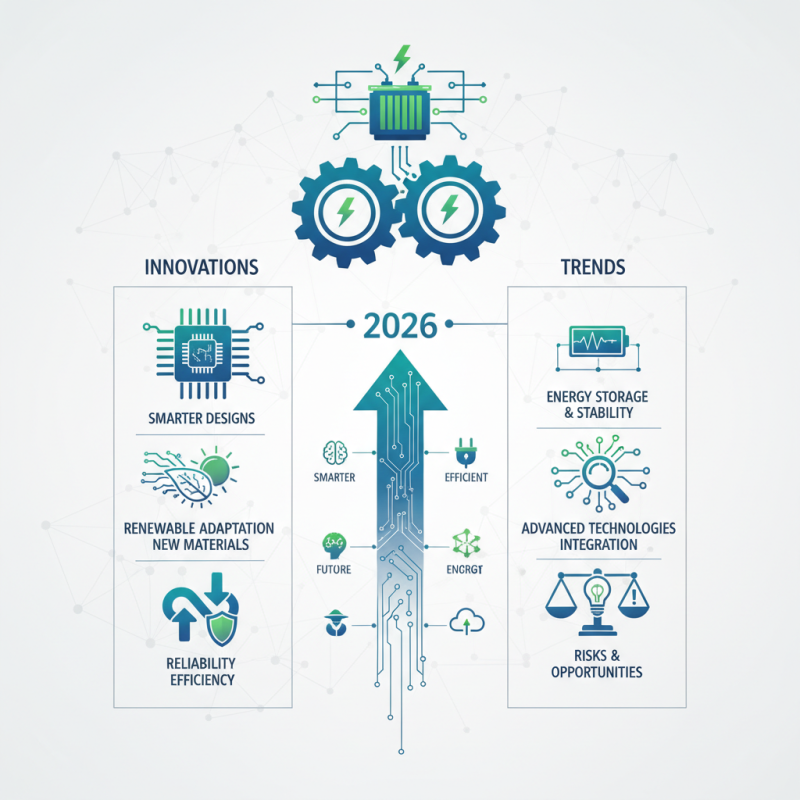
In the rapidly evolving energy sector, the innovations surrounding Substation Transformers are crucial. Industry expert Dr. Emily Carter emphasizes, "The future of Substation Transformers lies in smarter, more efficient designs." This highlights a significant shift towards integrating advanced technologies into transformer systems.
As demands for renewable energy sources rise, Substation Transformers must adapt. New materials and designs can improve efficiency, but challenges remain. The balance between reliability and innovation is delicate. Experts argue that these transformers must meet future energy needs without compromising safety or operational effectiveness.
The 2026 trends show promising developments. However, it’s important to consider the continuing struggles related to energy storage and grid stability. As the industry pushes forward, the conversation around Substation Transformer advancements must include not just innovation but also potential risks and pitfalls.
Advancements in Transformer Efficiency: Key Innovations in 2026
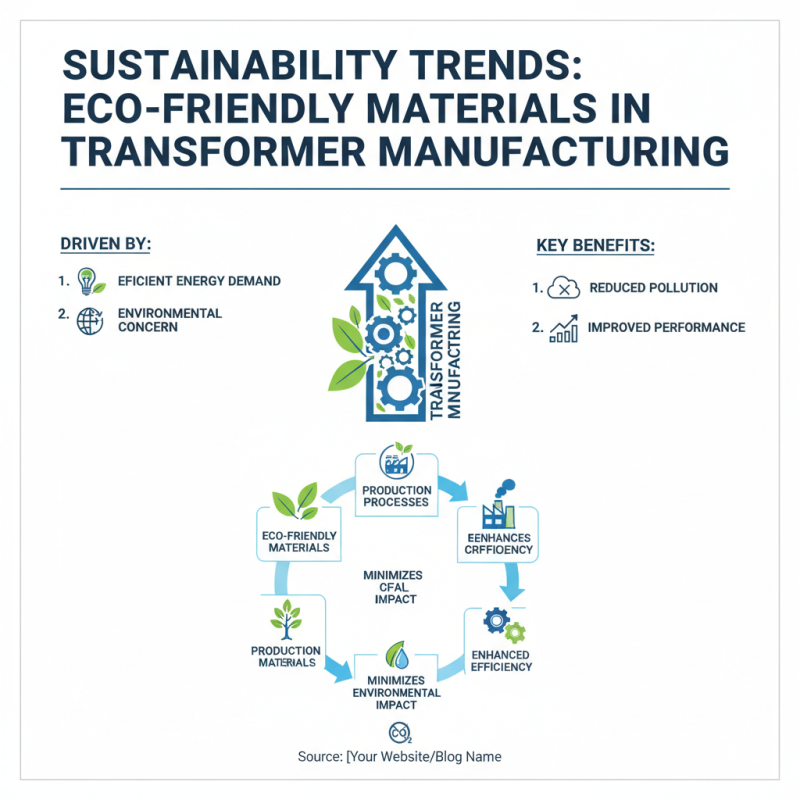
The advancements in transformer efficiency have taken a significant leap in 2026. New designs focus on reducing energy losses and improving operational performance. These transformers utilize advanced materials that enhance thermal management. The shift to eco-friendly insulation methods is notable. This not only increases safety but also cuts down environmental impact.
Analysts note that the evolving digital technologies in monitoring systems have transformed operational efficiencies. Smart sensors now provide real-time data. This data is key for predictive maintenance strategies. However, the integration of these technologies poses challenges. Many operators need training to adapt to new systems.
Tips: Consider the impact of regular training programs on operational efficiency. Supporting staff during transitions can improve adaptation rates. Also, keep an eye on maintenance costs as new technologies can initially seem expensive but offer long-term savings. The evolution of transformer efficiency illustrates both progress and the need for continuous learning.
Smart Substation Technologies: Integration of IoT in Transformer Operations
The integration of Internet of Things (IoT) technologies in transformer operations is defining smart substations. Using IoT devices enables real-time monitoring and data collection, leading to more efficient and reliable transformer management. According to recent reports, the smart substation market is expected to grow at a CAGR of over 10% by 2026. This growth highlights the industry's shift towards automation and enhanced operational efficiency.
A critical aspect to consider is cybersecurity in IoT systems. As substations become more connected, they are exposed to potential vulnerabilities. A study found that over 40% of energy sector organizations experienced cybersecurity breaches in the past two years. This statistic emphasizes the need for robust security measures when implementing IoT solutions in transformer operations.
Tip: Regular software updates and employee training can mitigate security risks in IoT-enhanced transformers. Investing in advanced encryption protocols is essential to protect sensitive data. Moreover, constant evaluation of IoT devices allows for timely identification of security gaps. Ensuring transparent communication among all stakeholders is fundamental for successful integration of smart technologies in substations.
2026 Top Substation Transformer Innovations and Trends
Digital Twin Technology: Enhancing Maintenance and Performance Monitoring
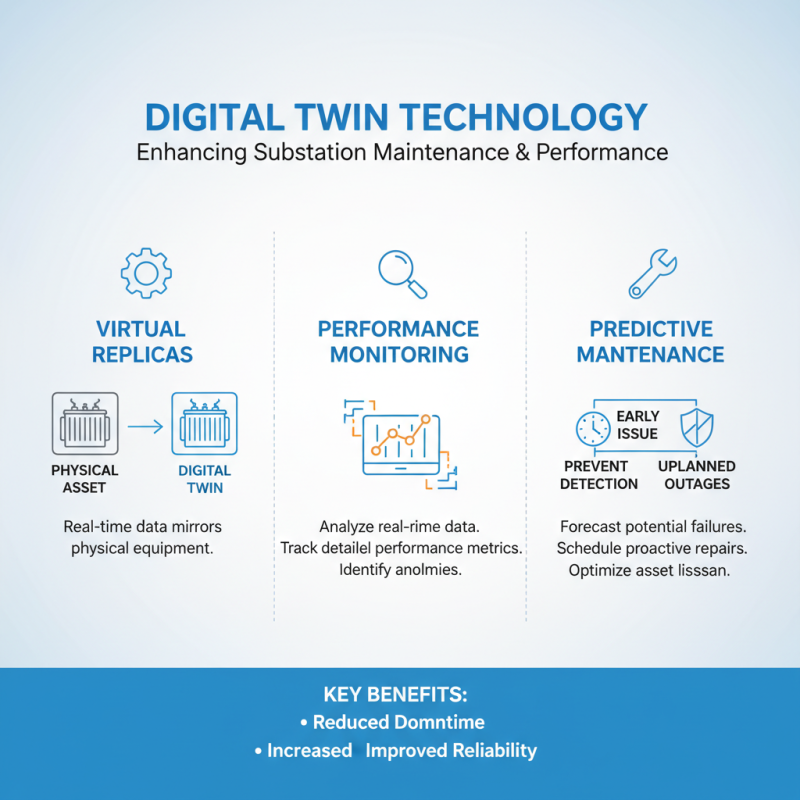
Digital Twin Technology is transforming the way we monitor and maintain substation transformers. By creating virtual replicas of physical assets, operators can analyze real-time data more effectively. This technology allows for detailed performance tracking. Predictive maintenance becomes achievable. Operators can pinpoint potential issues before they escalate.
Using Digital Twin models, maintenance teams assess the condition of transformers. This leads to improved reliability. They can visualize parts under stress, recommending timely repairs. The insights gained can help reduce downtime, a critical factor in operations. However, data accuracy is vital. Relying on outdated models can lead to poor decision-making.
The integration of Digital Twin Technology is not without challenges. Organizations must invest in staff training and data management systems. Balancing costs while implementing these innovations is crucial. Future developments may ease these pressures. Exploring this emerging technology can lead to better efficiency and performance in the energy sector. The journey is ongoing, and learning will shape future practices.
Regulatory Changes: Impact on Substation Transformer Design and Implementation
Regulatory changes significantly impact substation transformer design and implementation. Governments worldwide are increasingly focused on enhancing energy efficiency. New regulations often require transformers to meet stricter efficiency standards. These rules can drive innovation, pushing manufacturers to develop advanced technologies. Innovative materials and designs can lead to reduced losses and enhanced performance.
Transformers must also align with environmental regulations. This includes reducing emissions and minimizing the carbon footprint. As environmental standards evolve, transformers are undergoing comprehensive revisions. Designers face challenges in meeting these requirements while maintaining performance and reliability. It can be difficult to balance compliance and cost-effectiveness.
Collaboration between industry leaders and regulatory bodies is essential. Effective communication can bridge the gap between innovation and regulation. However, navigating this landscape is not always straightforward. Stakeholders often face uncertainty as regulations change. The industry must remain adaptable, continuously reflecting on practices to ensure compliance and efficiency.


 Send Email
 Phone
Phone whatsapp
 Wechat
 Whatsapp