How to Choose the Right Surge Arrester Disconnector for Your Needs?
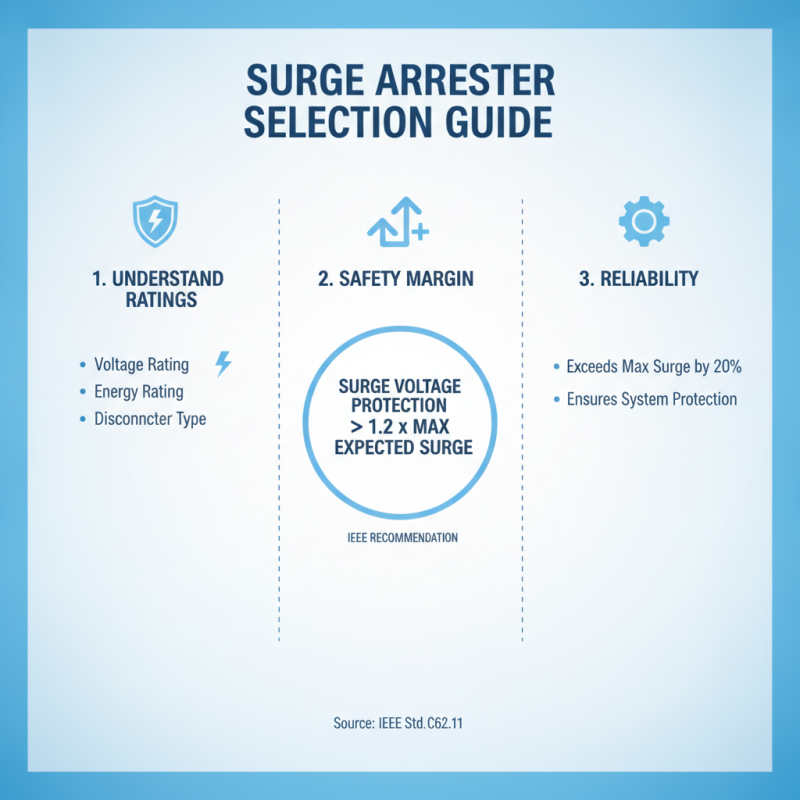
Choosing the right Surge Arrester Disconnector can profoundly impact system safety and efficiency. These devices protect electrical equipment from voltage spikes. They are crucial for preventing damage caused by surges. Selecting the correct type involves understanding your specific requirements and environment.
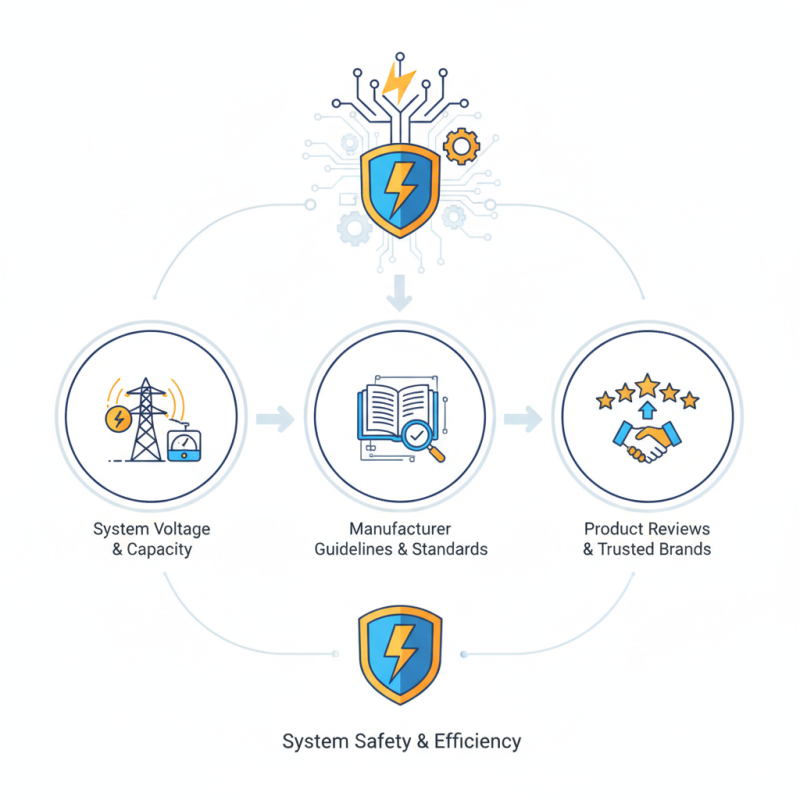
Consider your system's voltage ratings and the maximum surge capacity. A mismatch can lead to inadequate protection or over-specification, wasting resources. Always consult manufacturer guidelines and industry standards. This practice ensures reliability and longevity of the Surge Arrester Disconnector.
It is also wise to evaluate product reviews and expert recommendations. Not all products meet the same quality standards. Some may claim high performance but fail in real conditions. Seek trusted brands with solid track records. This approach reinforces confidence in your selection.
Understanding the Basics of Surge Arrester Disconnectors
Surge arrester disconnectors are critical components in electrical systems. They protect equipment from voltage spikes. Understanding how these devices function is vital for anyone involved in electrical installation or maintenance. A surge arrester absorbs excess energy during a surge, redirecting it safely. The disconnector part ensures that maintenance can be performed without risking electrical safety.
When selecting a surge arrester disconnector, consider the environment. Are there frequent storms or industrial hazards? Knowing this helps you choose a product that can withstand extreme conditions. Think about installation requirements too. Some models may need specific mounting or wiring setups. This detail can significantly affect overall performance and reliability.
Finally, pay attention to ratings and standards. The device's capacity should match the system's demands. A mismatch can lead to failures, damaging costly equipment. Not choosing the right product can result in regrets later. It’s essential to evaluate all options thoroughly. Reflect on potential risks and future needs, ensuring your decision aligns with long-term goals.
Identifying Your Specific Electrical System Requirements
Choosing the right surge arrester disconnector requires a clear understanding of your electrical system's needs. Every electrical system is unique. Factors like voltage, frequency, and potential surge levels play critical roles. According to recent industry reports, more than 30% of equipment failures are linked to inadequate surge protection. This highlights the importance of precise selection.
Consider the operating voltage first. Many systems require specific voltage ratings to ensure compatibility. For example, a system operating at 480V will need a surge arrester designed for that range. Meanwhile, environmental factors cannot be overlooked. Outdoor systems may expose devices to moisture and extreme temperatures. Selecting an arrester designed for such conditions is vital.
Conducting a surge analysis can provide insights into surge levels you might face. Research shows that systems exposed to industrial environments can see surge levels exceeding 10 kV. Understanding these dynamics allows for more informed decisions. However, many users underestimate potential risks. They may opt for lower-rated devices without considering their system’s actual exposure. This misjudgment can lead to increased downtime and costly repairs in the long run.
Comparing Different Types of Surge Arrester Disconnectors
Surge arrester disconnectors are vital in protecting electrical systems from overvoltage. They come in various types, each designed for specific applications and levels of voltage protection. Understanding these types is crucial for effective selection.
One common type is the metal-oxide varistor (MOV). MOVs are widely used due to their broad energy absorption capacity. According to the International Electrotechnical Commission, MOVs can handle short-duration surges well but may degrade over time, necessitating regular inspection. Another type is the gas discharge tube (GDT). GDTs excel in high-voltage applications. They offer a fast response time but can be less efficient in low-voltage scenarios.
Consider environmental factors when choosing a disconnector. Some designs excel in harsh conditions, while others are more suited for indoor usage. In a 2021 market report, it was noted that about 25% of surge protection failures were due to improper device selection. This statistic highlights the need for thorough assessment and awareness of your specific requirements. Making a well-informed choice will ensure your system remains robust against electrical surges.
How to Choose the Right Surge Arrester Disconnector for Your Needs? - Comparing Different Types of Surge Arrester Disconnectors
| Type |
Voltage Rating |
Current Rating |
Response Time |
Additional Features |
| Metal Oxide Varistor (MOV) |
120V - 1000V |
10A - 40A |
< 1 ns |
High energy absorption |
| Gapped Surge Arresters |
230V - 400kV |
Up to 3kA |
< 5 ns |
Robust against over-voltage |
| Silicon Carbide (SiC) |
600V - 3kV |
20A - 100A |
< 2 ns |
High heat resistance |
| Hybrid Surge Arresters |
230V - 15kV |
10A - 150A |
< 1 ns |
Combination of technologies |
Best Practices for Installation and Maintenance
When installing surge arrester disconnectors, attention to detail is crucial. Ensure that connections are secure and free of corrosion. Use appropriate tools to tighten bolts without over-torquing. Each connection should be checked regularly to maintain performance. Inspect the equipment for signs of wear. Look for discoloration or physical damage. These can indicate potential failure.
Maintenance plays a vital role in prolonging the life of surge arresters. Establish a routine inspection schedule. Consider the environmental factors that affect your devices. Dust, moisture, and temperature fluctuations can all impact performance. Keeping surrounding areas clean helps. Regularly test the functionality of the devices to ensure they operate as expected.
Documentation can be helpful in tracking maintenance history. This can spot recurring issues over time. When problems persist, it may be necessary to reassess your installation strategies. Reflect on past experiences. Learning from mistakes is essential for improving future practices. Adjustments based on feedback can lead to safer, more effective installations.
Surge Arrester Disconnector Ratings and Performance
This chart illustrates the voltage ratings and response times for different types of surge arrester disconnectors. Understanding these parameters can aid in selecting the appropriate device for specific electrical systems.




 Send Email
 Phone
Phone whatsapp
 Wechat
 Whatsapp