Essential Tips for Choosing the Right Distribution Transformers?
Choosing the right distribution transformers is crucial for any electrical system. These transformers play a vital role in improving energy efficiency and reliability. Selecting the appropriate transformer can save costs and enhance performance.
Several factors can impact the effectiveness of distribution transformers. It is essential to consider the load requirements and the environment where these transformers will operate. Sometimes, buyers overlook the importance of proper sizing, which can lead to inefficiencies. Additionally, understanding the material quality and standards is vital for long-term reliability.
Many users may struggle with finding trusted distributors and manufacturers. It's important to review the credibility of suppliers and their products. Relying on expert opinions and case studies can guide this choice. Thus, when making a decision on distribution transformers, thorough research is key. This ensures that the selected transformers meet both performance expectations and regulatory standards.
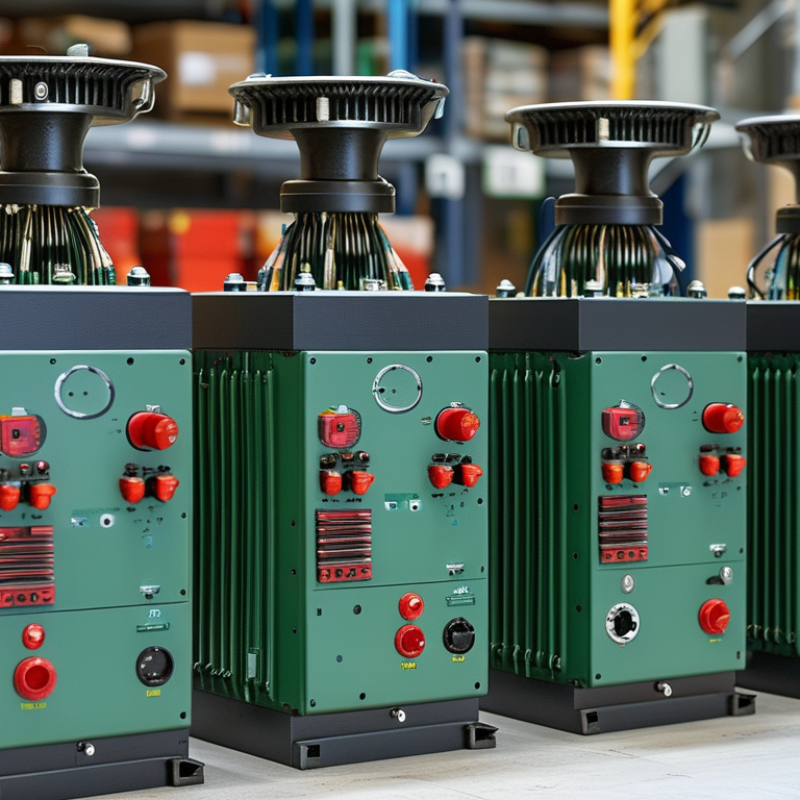
Understanding Distribution Transformers and Their Role in Power Systems
Distribution transformers play a crucial role in power systems. They convert high voltage electricity from transmission lines to lower voltages suitable for residential and commercial use. This step is vital for the safe use of electricity. Without them, delivering power directly from generation sources would be both unsafe and inefficient.
Understanding your distribution transformer is key to ensuring reliability. These devices come with various specifications, including voltage ratings and capacity. Each setting serves different environments and load requirements. Selecting the wrong transformer can lead to costly inefficiencies or even system failures. It's essential to assess the local demand carefully and understand the characteristics of your power supply.
Despite their importance, many overlook the maintenance of distribution transformers. Routine checks can identify potential issues early. An unmonitored transformer can result in unplanned outages or reduced efficiency. Taking this into account is essential for any power management strategy.
Essential Tips for Choosing the Right Distribution Transformers
| Parameter |
Importance |
Considerations |
Typical Ratings |
| Power Rating (kVA) |
Determines load capacity |
Calculate load requirements |
25 kVA to 5000 kVA |
| Voltage Rating (V) |
Ensures compatibility with the grid |
Standard voltage levels |
400V, 11kV, 33kV |
| Cooling Method |
Affects efficiency and longevity |
Dry, Oil-Immersed |
N/A |
| Impedance (%) |
Influences voltage drop and short-circuit current |
Optimal level for protection |
3% to 6% |
| Noise Level (dB) |
Considerations for residential areas |
Check local regulations |
≤ 55 dB |
Key Factors to Consider When Selecting Distribution Transformers
When selecting distribution transformers, several key factors must be considered.
The transformer’s capacity is crucial, affecting efficiency and performance.
According to the International Electrotechnical Commission, choosing a transformer with adequate capacity prevents overload and ensures longevity.
A capacity too small for the load can lead to overheating and early failure.
Conversely, oversized transformers may incur higher costs and reduced efficiency.
The voltage rating is another essential aspect.
It must match the electrical system requirements to avoid voltage drops or surges.
Inadequate voltage can impair equipment performance or even cause damage.
It's vital to refer to industry standards such as IEEE and ANSI to ensure compliance and reliability.
Additionally, efficiency ratings play a significant role.
Recent reports from the U.S. Department of Energy indicate that transformers can account for up to 10% of electrical energy losses in a facility.
Selecting a high-efficiency model minimizes losses, saving money in the long run.
Balancing initial investment with potential operational savings is critical.
Inadequate research or impulsive choices can lead to excessive costs down the road.
Evaluating Power Ratings and Load Requirements for Transformers
When evaluating power ratings for distribution transformers, understanding load requirements is crucial. Each transformer has specific ratings. These ratings define the maximum load it can handle safely. Overloading can lead to overheating. This situation can damage the transformer and impact the entire electrical system.
Consider the type of load your application requires. Is it continuous or intermittent? Continuous loads demand a transformer that can sustain higher ratings. Intermittent loads may allow for more flexibility in choosing equipment. Additionally, assess future growth. Will your operations expand? Planning beyond your current needs can prevent short-term fixes that lead to long-term failures.
Installation environment also plays a vital role. Factors like temperature and humidity can significantly affect transformer performance. Understanding these elements is essential to choosing the right unit. Seeking advice from industry experts can provide valuable insights. They offer a broader understanding of suitable options. Balancing power needs, future demands, and environmental considerations requires careful thought and reflection.
Assessing Transformer Efficiency and Energy Loss Implications
When selecting distribution transformers, efficiency and energy loss are crucial. A report from the U.S. Department of Energy reveals that inefficient transformers can lead to significant energy waste. Up to 10% of electrical energy can be lost during distribution, impacting both operational costs and sustainability efforts. Choosing transformers with higher efficiency ratings can minimize these losses.
Consider the implications of transformer efficiency on long-term financial performance. A transformer with 98% efficiency might save a facility thousands in energy costs annually. This kind of data illustrates that while initial investments might be higher, the return on investment is compelling. Companies focused on sustainability should prioritize efficiency ratings to align with their energy management goals.
However, it is essential to account for the unique requirements of each application. Factors such as load variation and installation environment can influence performance and efficiency. Skipping a thorough assessment may lead to miscalculations, affecting overall system performance. Engaging with energy assessments can provide insights into the best choices while enhancing energy management strategies.
Understanding Maintenance and Reliability Factors for Long-term Use
When selecting distribution transformers, understanding maintenance and reliability is crucial for long-term use. Regular maintenance helps identify potential issues before they escalate. This proactive approach can save time and resources. Over time, factors like moisture and temperature fluctuations can affect transformer performance. Routine inspections can help mitigate these risks.
Knowledge of industry standards can guide best practices. It is essential to follow protocols for oil testing and insulation resistance measurements. These tests provide a reliable assessment of the transformer's condition. However, not all maintenance practices are equal. Some facilities may overlook small issues, leading to more significant problems down the line.
Reliability often hinges on environmental factors. Outdoor transformers face unique challenges, such as exposure to the elements. Ensuring adequate cooling and protection from dust and debris is vital. Ignoring these factors can shorten the transformer's life. Commitment to regular upkeep ensures that a transformer operates efficiently for years.
Distribution Transformer Failures vs. Maintenance Frequency
This chart illustrates the correlation between the frequency of maintenance and transformer failures. As maintenance frequency increases, the number of failures significantly decreases, showcasing the importance of regular upkeep for enhancing reliability.




 Send Email
 Phone
Phone whatsapp
 Wechat
 Whatsapp
