2026 Top Power Distribution Transformer Innovations and Trends?
The landscape of energy transmission is rapidly evolving. Power Distribution Transformers play a crucial role in this transformation. As technology advances, these devices are becoming smarter and more efficient. In 2026, innovations in power distribution transformers are expected to reshape how we manage electricity.
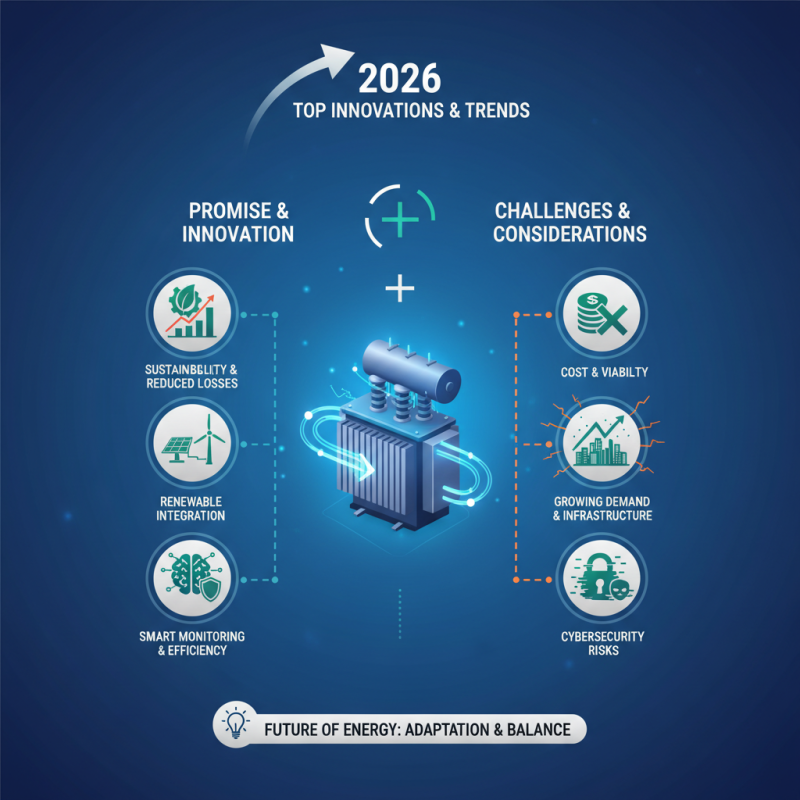
Sustainability is a key trend. Many companies are focusing on reducing energy losses and improving performance. Enhanced materials and designs are emerging, aiming for efficiency. Integration with renewable energy sources is becoming common. However, challenges remain. Not all innovations are viable or cost-effective. The balance between cutting-edge technology and practicality is essential.
Moreover, the growing demand for electricity adds pressure. Utilities must adapt their infrastructure to handle this increase. The implementation of intelligent monitoring systems within power distribution transformers is an exciting development. Yet, it raises questions about cybersecurity risks. As we explore these trends, it becomes clear that the future of power distribution transformers holds great promise, but also poses significant challenges.
Advancements in Power Distribution Transformer Materials and Efficiency
The landscape of power distribution transformers is evolving rapidly. Innovations in materials are significantly improving efficiency. Research into advanced composites and alloys is paving the way for lighter and more durable transformers. These materials can withstand harsh environments while reducing energy losses during operation.
Moreover, efficiency is now a priority in transformer design. Modern transformers utilize smart technologies to optimize performance. Sensors and data analytics help identify inefficiencies in real-time. This proactive approach minimizes downtime and enhances reliability. Many utilities are adopting these advanced systems to reduce operational costs.
Despite these advancements, challenges remain. The integration of new materials requires extensive testing and validation. Some engineers express concerns about the long-term sustainability of novel materials. There is also a need for ongoing training to keep up with technological changes. Striking a balance between innovation and reliability will be crucial in the coming years.
Emerging Technologies in Smart Grid Integration for Transformers
The integration of smart grid technologies is transforming power distribution transformers. This shift enhances efficiency and reliability. Innovative solutions are emerging that leverage real-time data for improved decision-making. For example, advanced sensors can monitor transformer health and performance, predicting failures before they occur.
Tips for Implementation: Regularly review your transformer data analytics. Use predictive maintenance to avoid costly downtimes. Engage with local experts to understand specific requirements in your area.
Moreover, connectivity plays a crucial role. Through the Internet of Things (IoT), transformers become part of a larger network. This interconnectedness allows for dynamic load balancing. However, integrating these technologies can be challenging. Ensure that your infrastructure can support the required upgrades.
Incorporating renewable energy sources is another trend. This improves grid resilience and compliance with environmental standards. Yet, there may be issues with managing variable power inputs. Ongoing training for operational staff is essential to navigate these complexities effectively.
2026 Top Power Distribution Transformer Innovations and Trends
| Innovation/Trend |
Description |
Benefits |
Adoption Rate (%) |
| Digital Twins |
Virtual models of transformers that help in monitoring and predictive maintenance. |
Enhanced efficiency and reduced downtime. |
25% |
| IoT Integration |
Utilizing Internet of Things for real-time data transmission and control. |
Improved operational visibility and fault detection. |
40% |
| Advanced Materials |
Use of high-performance materials for better thermal and electrical properties. |
Longer lifespan and higher efficiency. |
30% |
| Smart Monitoring Systems |
Automated monitoring systems that provide real-time alerts and analytics. |
Proactive maintenance and reduced operational costs. |
50% |
| Sustainability Initiatives |
Focus on eco-friendly materials and recycling at end-of-life. |
Reduced environmental impact and compliance with regulations. |
60% |
Trends in Sustainable Power Distribution Transformers: Eco-friendly Innovations
The trend towards sustainable power distribution transformers is gaining momentum. Recent reports indicate that by 2026, eco-friendly designs will dominate the market. These innovations focus on reducing environmental impact and enhancing efficiency. For instance, approximately 35% of new transformers will incorporate renewable materials. This aligns with global sustainability goals.
Energy efficiency plays a crucial role in this evolution. Data shows that modern transformers can achieve up to 98% efficiency. This advancement significantly lowers energy losses during distribution. Enhancing the overall grid performance is essential for a sustainable future. Furthermore, using biodegradable insulating oils instead of traditional ones reduces harmful emissions.
While progress is evident, challenges remain. Transitioning to greener technologies requires investment and research. The industry must address the cost implications of sustainable materials. Stakeholders are tasked with balancing innovation and financial viability. Reliance on legacy systems may hinder rapid adoption. Engaging with emerging technologies will be vital for overcoming these barriers.
2026 Innovations in Sustainable Power Distribution Transformers
This chart represents the percentage of innovations in various categories for sustainable power distribution transformers expected in 2026. The categories include Efficiency Improvements, Eco-friendly Materials, Smart Technology Integration, and Cost Reduction Strategies.
Market Analysis: Growth Projections for Power Distribution Transformers by 2026
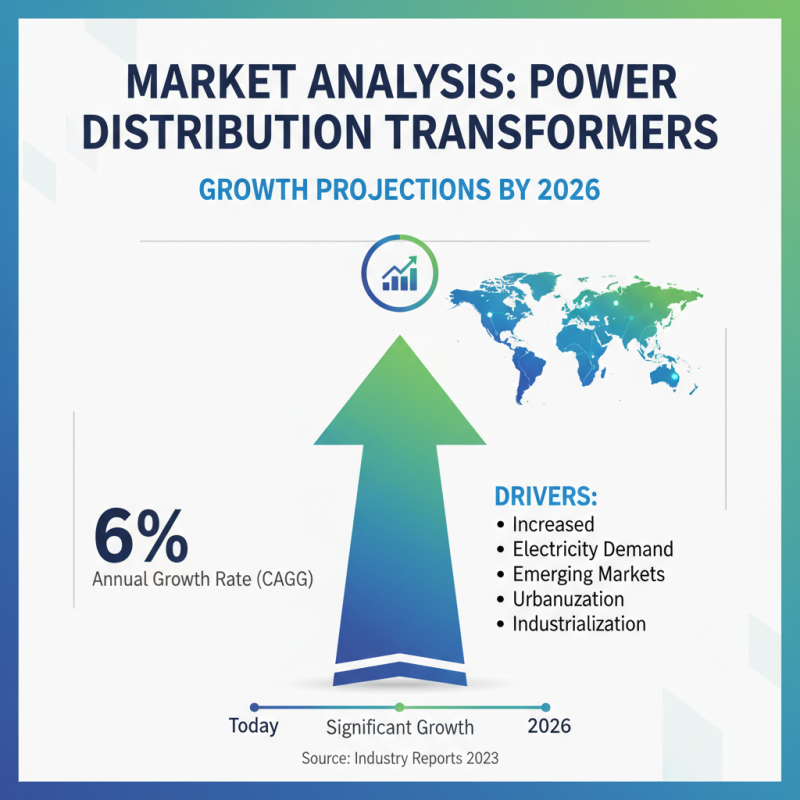
The power distribution transformer market is poised for significant growth by 2026. Recent industry reports indicate an annual growth rate of around 6% over the next few years. This growth is driven by increasing demand for electricity, particularly in emerging markets. Urbanization and industrialization contribute to this surge in energy consumption.
Technological advancements are vital in shaping future trends. Innovations such as smart transformers and advanced insulation materials enhance efficiency and reduce environmental impact. Research indicates a growing interest in renewable energy integration, which will further influence transformer designs. Market analysts suggest a shift towards more compact and lightweight options, making installations easier and less costly.
However, challenges persist. Aging infrastructure in many regions needs urgent upgrades. Moreover, the transition to greener technologies presents hurdles, particularly in cost and operational adaptation. Balancing innovation with reliability remains a critical focus for manufacturers and stakeholders. The future landscape of power distribution transformers will require careful consideration of these dynamics to ensure sustainable growth.
Impact of Regulatory Changes on Transformer Design and Manufacturing Practices
Regulatory changes significantly impact the design and manufacturing of power distribution transformers. These updates often emphasize energy efficiency and sustainability. As regulations evolve, manufacturers must adapt to new standards, shaping their engineering approaches. This adaptation can lead to innovative designs that incorporate advanced materials and technologies.
The move towards stricter guidelines requires constant evaluation of manufacturing practices. Companies must invest in R&D to comply while remaining competitive. Innovations in materials, such as eco-friendly insulators, have emerged in response. These materials offer improved performance and lower environmental impact.
Tip: Keep abreast of regulatory updates. Regular training for engineers can aid compliance and spark innovative ideas.
Another crucial aspect is the need for
collaboration between industry stakeholders. This collaboration fosters a better understanding of regulations and their implications. Companies can share best practices, driving the industry toward
sustainable development.
Tip: Form partnerships with regulatory bodies. Engaging with these authorities can provide insights, smoothing the adaptation process.
Regulation isn't just a hurdle; it's an
opportunity for growth. Companies willing to rethink their processes can lead the market in innovation. Embracing these changes can elevate engineering practices for years to come.



 Send Email
 Phone
Phone whatsapp
 Wechat
 Whatsapp