How to Choose the Right Power Transformers for Your Electrical Needs?
Choosing the right power transformers for your electrical needs is a crucial decision. Power transformers play a vital role in the transmission of electricity across power grids. They ensure that energy is delivered efficiently and safely to various consumers. When selecting a transformer, various factors come into play.
You need to consider load requirements, voltage levels, and withstand capabilities. Each project has its unique demands. It can be challenging to navigate the technical specifications. Overlooking these details may lead to inadequate performance or even failure.
Understanding the differences between various power transformers is essential. Their design and functionality can greatly impact your electrical system's efficiency. Making an informed choice helps ensure long-term reliability and minimizes future costs. As technology evolves, staying updated on advancements is also important. Conducting thorough research and consulting experts can aid in this journey.
Understanding Power Transformer Types and Their Applications
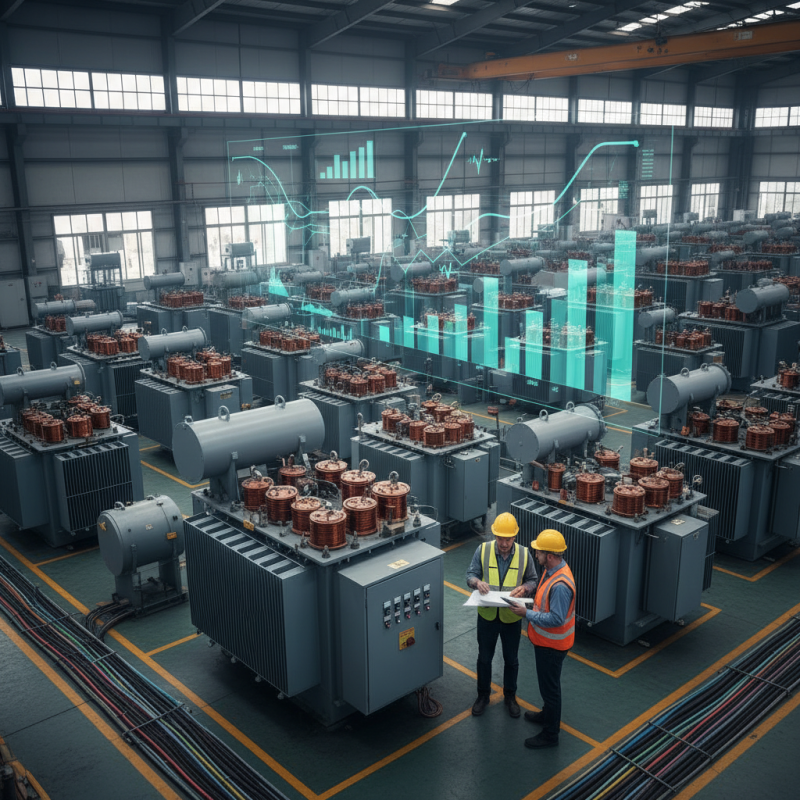
When selecting a power transformer, understanding the types available is crucial. Common types include distribution transformers, power transformers, and autotransformers. Distribution transformers serve to step down voltage for use in local grids. In contrast, power transformers handle higher voltage levels in transmission networks. According to industry reports, the global transformer market is projected to grow at a CAGR of 6.2% from 2021 to 2028. This growth is driven by increased renewable energy integration.
Consider the application when choosing a transformer. For industrial applications, robust units are often necessary. Conversely, smaller residential setups may require less powerful options. Each type has its advantages and limitations. For instance, efficiency can vary widely. Autotransformers are lighter and cheaper, but offer limited isolation.
Tip: Always assess your specific energy requirements. When in doubt, consult with an electrical engineer. They can provide valuable insights tailored to your needs. Additionally, regular maintenance is essential. It ensures longevity and optimal performance, which is frequently overlooked. An investment in proper selection and upkeep pays off significantly in the long run.
Evaluating Voltage and Current Requirements for Specific Use Cases
When evaluating voltage and current requirements for power transformers, understanding your specific use case is essential. Each application demands a different approach. A residential setup might need lower voltage, while industrial applications often require higher capacity. Assessing the load is critical. Calculate the load requirements based on connected devices to determine necessary voltage levels.
For example, a farm may need robust transformers to accommodate heavy machinery. This could mean higher amperage to support various operations simultaneously. When consulting with professionals, consider asking about load calculations and peak demand times. The data collected can reveal insights into transformer sizing.
You may encounter challenges like fluctuating loads or unexpected surges. These issues can impact overall efficiency. It’s important to evaluate these factors regularly. Implementing monitoring systems might help to catch potential overload situations. This proactive approach can prevent equipment damage and ensure longevity. Regular assessments of voltage stability can alert you to potential issues that may arise in newer equipment setups.
Key Factors in Power Capacity: kVA Ratings and Load Considerations
Choosing the right power transformer starts with understanding kVA ratings. kVA, or kilo-volt-amperes, measures the apparent power. Higher kVA means the transformer can handle larger loads. For industrial settings, selecting an appropriate rating is crucial. It helps prevent overheating and inefficiencies.
Load considerations are equally important. Analyze the total load your facility requires. Account for equipment that may run simultaneously. This calculation can be complex. Many users overlook starting currents of heavy machinery. These can exceed normal operating loads. Failing to consider these factors may lead to insufficient power supply or transformer failure.
Experience shows that installing a transformer with too high or too low a kVA rating can be problematic. Overloading can cause a transformer to overheat, impacting its lifespan. Underloading may lead to poor efficiency. Make careful assessments. Consulting with a professional can ensure you select a power transformer that meets your needs effectively.
How to Choose the Right Power Transformers for Your Electrical Needs?
| Transformer Type |
kVA Rating |
Primary Voltage (V) |
Secondary Voltage (V) |
Load Considerations |
| Single-Phase Transformer |
5 kVA |
240 V |
120 V |
Small residential loads |
| Three-Phase Transformer |
15 kVA |
480 V |
208 V |
Medium-sized commercial loads |
| Isolation Transformer |
10 kVA |
230 V |
230 V |
Sensitive equipment loads |
| Step-Up Transformer |
25 kVA |
480 V |
600 V |
High power industrial equipment |
| Step-Down Transformer |
30 kVA |
600 V |
240 V |
Large commercial operations |
Assessing Efficiency Standards and Compliance Regulations for Transformers
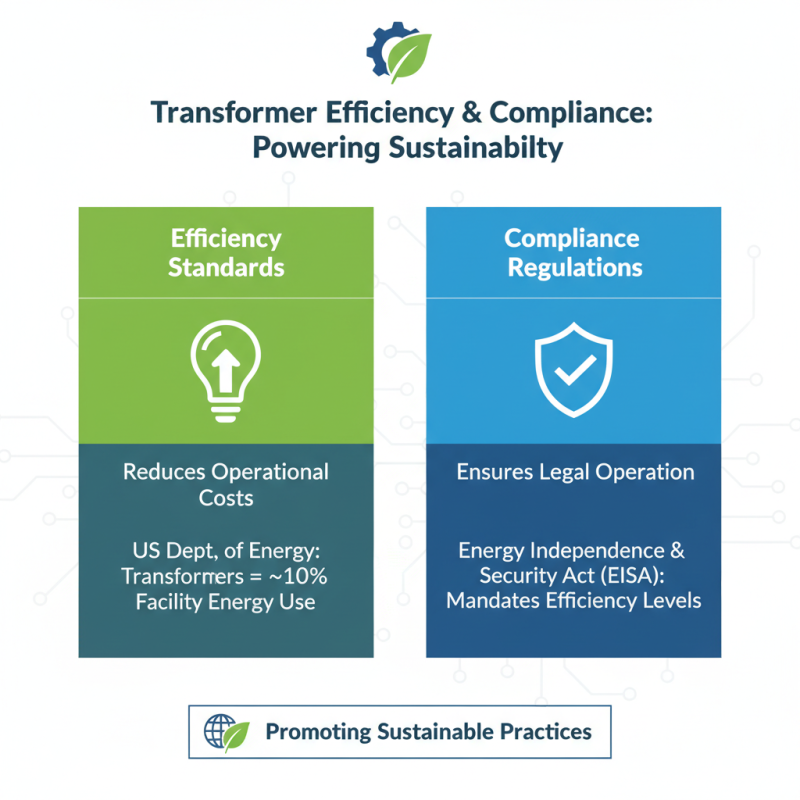
Choosing the right power transformers involves understanding efficiency standards and compliance regulations. Efficiency is crucial for reducing operational costs. According to the U.S. Department of Energy, transformers can account for up to 10% of a facility's energy consumption. Ensuring compliance with regulations, such as the Energy Independence and Security Act (EISA), is essential. These standards mandate specific efficiency levels for new transformers, promoting sustainable practices.
Many transformers still fall short of these standards, leading to inefficiencies. The National Renewable Energy Laboratory estimates that replacing aging transformers could save billions in energy costs annually. It's vital to assess existing equipment and consider retrofitting options when necessary. While some facilities may find compliance daunting, understanding these requirements can streamline energy management.
The landscape of power transformers is evolving. Increased focus on sustainability means staying informed about regulations is essential. Some professionals underestimate the importance of annual audits and monitoring. Regular assessments ensure that transformers operate efficiently and meet compliance standards. The challenge lies in balancing reliability and efficiency while adhering to regulations.
The Importance of Reliability and Maintenance in Transformer Selection
When selecting power transformers, reliability and maintenance are crucial factors. A robust transformer ensures stability in power supply. Frequent breakdowns can lead to costly repairs and downtimes. Consider the environment where the transformer will operate. Is it prone to dust, moisture, or extreme temperatures? These conditions can affect its lifespan.
Regular maintenance is essential to identify potential issues before they escalate. Scheduled inspections can reveal wear and tear that is not immediately visible. An experienced technician can provide insights into what specific maintenance is necessary for your transformers. This proactive approach helps prevent unexpected failures and increases confidence in the system.
Choosing the right transformer often requires balancing initial costs and long-term reliability. Investing in a reliable unit may save money over time. However, not all manufacturers are equal. Some may overpromise on quality but underdeliver on performance. It's a decision that warrants thorough research and consideration. Engaging with experts can provide clarity and ensure that the best choice is made for your electrical needs.
Power Transformer Reliability and Maintenance Needs






 Send Email
 Phone
Phone whatsapp
 Wechat
 Whatsapp