What is Stay Fittings and How Are They Used in Construction?
Stay fittings play a crucial role in modern construction. These components help support structures and ensure stability. According to the Construction Industry Institute, improper installation of stay fittings can lead to severe structural failures. This highlights the importance of using them correctly.
Jim Harris, a leading expert in structural engineering, emphasizes their significance: "Stay fittings are essential for maintaining the integrity of structures under various loads." In practice, they are often seen in bridges and high-rise buildings where tension is vital. The durability and effectiveness of stay fittings can significantly impact the lifespan of a project.
Despite their benefits, the use of stay fittings is not without challenges. Ensuring they are manufactured to high standards can be difficult. Additionally, proper training for workers installing these fittings is often lacking. Addressing these issues is crucial for the success of construction projects.
Understanding Stay Fittings: Definition and Purpose in Construction
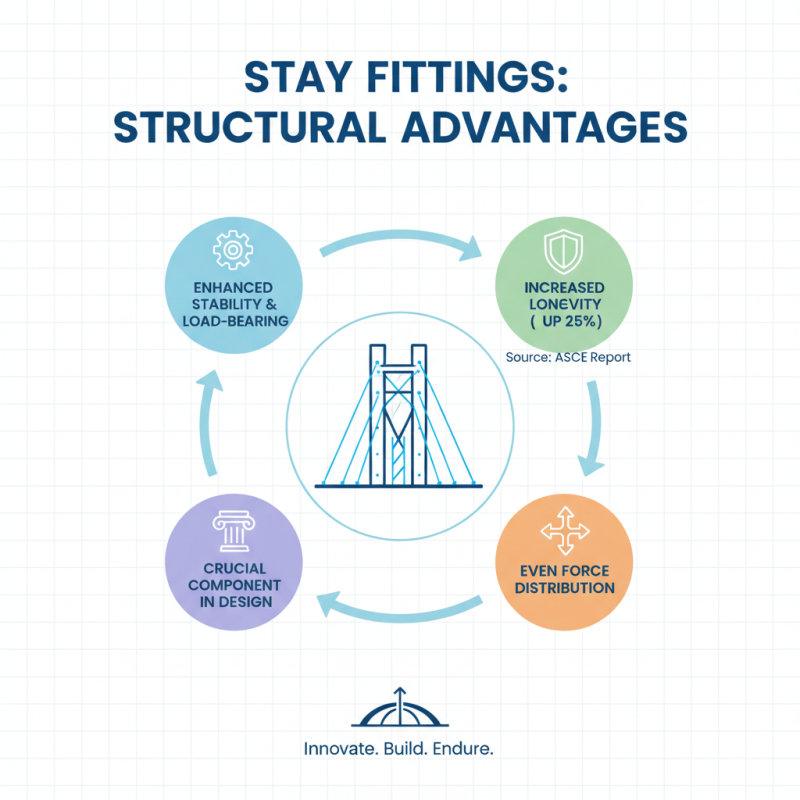
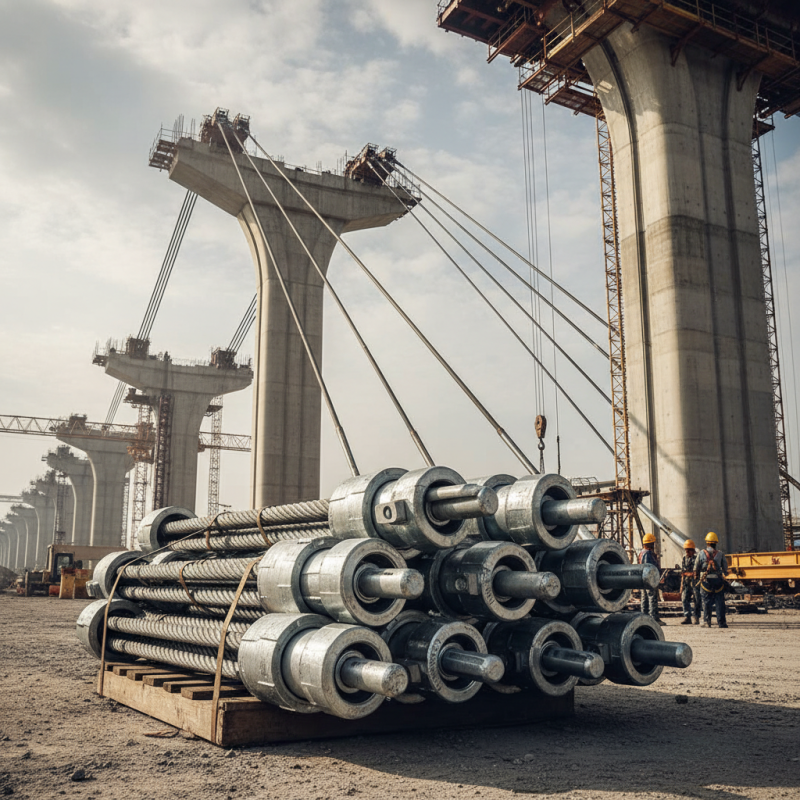
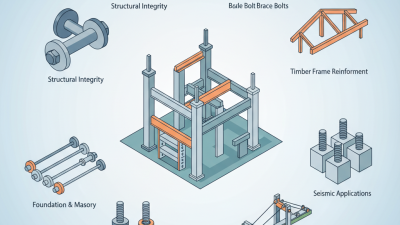
Stay fittings are essential components in construction, designed to stabilize and support structures. These fittings connect cables or rods to buildings, bridges, and other infrastructure. They help maintain structural integrity, especially in areas exposed to wind or seismic activity. The correct use of stay fittings ensures that forces are distributed evenly throughout the structure, reducing the risk of failure.
The purpose of stay fittings varies depending on the construction project. In tall buildings, they anchor the facade to the building, preventing sway. In bridges, they provide crucial tension to hold cables in place. Each application requires careful consideration of the materials and installation methods. Many factors can affect performance, including environmental conditions and engineering oversight. A slight miscalculation can lead to significant issues down the line, emphasizing the need for precision.
Understanding the role of stay fittings is vital for any construction professional. Their design and functionality require expertise and experience. When used correctly, they enhance safety and longevity. However, neglecting them can compromise a project’s structural resilience. Reflecting on past failures can lead to better practices in the future. Each project offers lessons that shape our approach to using stay fittings effectively.
Stay Fittings Usage in Construction
Types of Stay Fittings Used in Structural Engineering
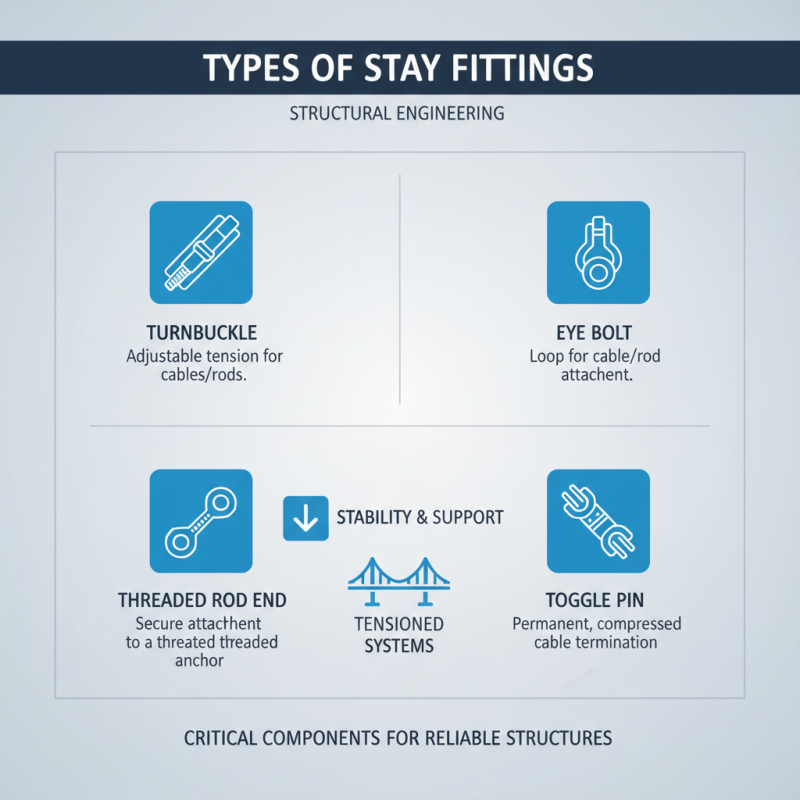
Stay fittings play a critical role in structural engineering. These components provide stability and support for various structures, especially in tensioned systems. There are several types of stay fittings commonly used, each designed for specific applications.
One prevalent type is the turnbuckle. This device allows for precise tension adjustments in cables or rods. According to a 2022 industry report, turnbuckles account for about 30% of stay fitting applications. They are often used in bridges and tall buildings, enhancing their structural integrity. Another important type is the clevis. Clevis fittings connect rods and cables securely and simplify installation efforts. Their design supports easy maintenance and replacement.
Additionally, the use of eye bolts is widespread. Eye bolts can handle significant loads and are essential in hangar systems. A study showed that over 40% of construction firms reported using eye bolts in their projects. Some challenges remain with stay fittings, such as ensuring compatibility among different material types. Proper installation is vital to prevent structural failures. Staying updated with the latest standards and practices can help mitigate potential risks.
Applications of Stay Fittings in Various Construction Projects
Stay fittings play a crucial role in construction projects by providing necessary support and stability. These components are commonly used in structures like bridges, buildings, and towers. They help manage loads and maintain structural integrity. Different types of stay fittings can cater to specific engineering needs, ensuring safety and durability.
In bridge construction, stay fittings are vital. They hold the tension in cables, allowing for longer spans and slender designs. They offer flexibility in design, enabling architects to create innovative structures. In high-rise buildings, these fittings reinforce the steel framework, helping to withstand wind and seismic forces. Engineers carefully select materials to ensure longevity and performance.
Not everything is perfect with stay fittings. Installation can be tricky. Improper alignment may lead to structural issues. Regular maintenance is necessary to ensure their effectiveness. Soil movements or extreme weather can also affect their performance. Ongoing assessments of stay fittings are essential in large projects to avoid costly errors in the future.
What is Stay Fittings and How Are They Used in Construction? - Applications of Stay Fittings in Various Construction Projects
| Application Area |
Type of Stay Fittings |
Material Used |
Benefits |
Common Projects |
| Bridges |
Cable Stay Fittings |
Stainless Steel |
High strength and corrosion resistance |
Suspension Bridges, Cable-Stayed Bridges |
| Building Structures |
Rod Stay Fittings |
Galvanized Steel |
Lightweight and easy to install |
High-Rise Buildings, Roof Supports |
| Telecommunication Towers |
Strut Stay Fittings |
Carbon Steel |
Durability and stability in harsh environments |
Cell Towers, Radio Towers |
| Wind Turbines |
Guy Stay Fittings |
Aluminum |
Lightweight and excellent fatigue resistance |
Offshore and Onshore Wind Farms |
| Dam Structures |
Pre-stressed Stay Fittings |
Reinforced Concrete |
Enhanced load bearing capacity |
Hydroelectric Dams, Spillway Structures |
Installation Techniques for Stay Fittings in Construction
Stay fittings are crucial in modern construction. They provide stability and support to structures, particularly in bridges and towers. The right installation techniques can significantly influence the performance and durability of these fittings.
When installing stay fittings, proper alignment is essential. An incorrect angle can lead to structural issues. It is vital to ensure that the stay cables are tensioned uniformly. This helps distribute loads effectively. Additionally, using the correct tools for tensioning is often overlooked. Many workers may use inadequate tools, leading to improper tension.
Regular maintenance is also necessary. Over time, stay fittings can experience wear and tear. Inspecting them for corrosion or fatigue is essential. Builders should not ignore these checks, as they can prevent larger issues later. While knowledge and technology are quickly evolving, the basics of installation remain critical. Ensuring that every component is installed correctly is a reflection of both skill and attention to detail.
Advantages of Using Stay Fittings in Structural Design and Support
Stay fittings are essential components in structural design. They enhance the stability and load-bearing capabilities of various constructions. A report by the American Society of Civil Engineers (ASCE) indicates that using stay fittings can increase the longevity of structures by up to 25%. This improvement arises from their ability to distribute forces more evenly across structural elements.
One key advantage of stay fittings is their lightweight nature. This feature allows for easier installation and reduced labor costs. In urban construction, where space is limited, this can make a significant difference. Moreover, the flexibility they offer in design enables architects to pursue innovative structures without compromising safety.
**Tip:** When planning a project, always assess the specific load requirements for stay fittings. Underestimating loads can lead to structural failures.
Another benefit is the reduction in material usage. A study from the Engineering Mechanics Institute highlights that structures incorporating stay fittings often use 15% less material while maintaining strength. This not only cuts costs but also lessens the environmental impact of construction. Despite these advantages, some engineers may overlook the need for proper integration, leading to potential weaknesses that could undermine the structure's integrity.
**Tip:** Regular inspections are crucial for structures with stay fittings. They ensure that fittings maintain their load-bearing capacity over time.




 Send Email
 Phone
Phone whatsapp
 Wechat
 Whatsapp