2026 Top High Voltage Switchgears for Global Buyers Insights?
The global market for High Voltage Switchgears is evolving rapidly. According to a recent report by Research and Markets, the global high voltage switchgear market size is expected to reach approximately $68 billion by 2026, growing at a CAGR of around 6% during the forecast period. This growth reflects increased investments in electricity distribution and renewable energy sources, which drive demand for effective and reliable high voltage equipment.
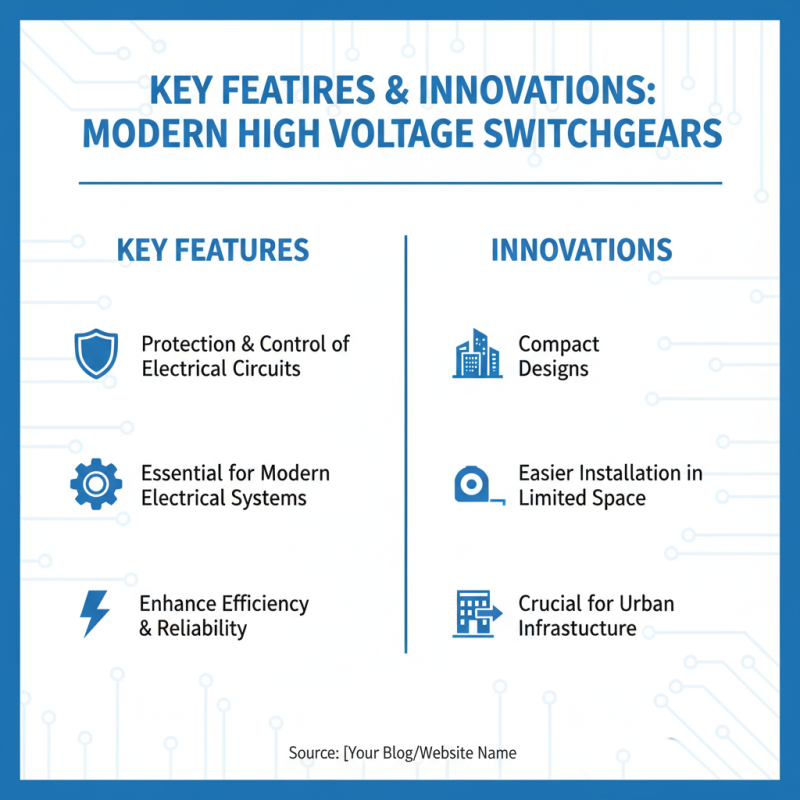
High Voltage Switchgears play a crucial role in ensuring the stability and reliability of electrical networks. They help in protecting high voltage systems from faults and managing load fluctuations. However, the industry faces challenges such as maintaining equipment longevity and addressing environmental impacts. Enhancing insulation materials and adopting smart technologies are areas for improvement.
As global demand rises, buyers must focus on innovative solutions that not only meet regulatory standards but also offer efficiency. Understanding the nuances of different manufacturers and their products can empower buyers to make informed choices. Ultimately, the landscape of High Voltage Switchgears will continue to change, necessitating vigilance and adaptation among industry stakeholders.

Overview of High Voltage Switchgears in 2026 Market
The high voltage switchgear market is undergoing significant transformation in 2026. According to recent industry reports, the global market is projected to reach approximately $30 billion. This growth is driven by increased demand for electricity and the expansion of renewable energy sources. High voltage switchgears play a crucial role in managing and distributing high voltages safely.
Recent surveys indicate that about 60% of industry players prioritize reliability and efficiency. However, many manufacturers face challenges like aging infrastructure and evolving grid requirements. These factors may hinder performance. Inadequate maintenance practices can amplify risks associated with high voltage switchgears. Innovation in technology is essential to address these operational gaps.
Furthermore, smart grid technologies are gaining traction. They enable enhanced monitoring and management of switchgear systems. Reports show that companies investing in digital solutions see a reduction in outages by nearly 20%. This reliance on technology creates a need for skilled professionals. The industry must focus on workforce training to maintain high standards. Addressing these challenges while fostering innovation could shape a more resilient high voltage switchgear market.
Global Market Trends Influencing High Voltage Switchgear Demand
The global demand for high voltage switchgears is influenced by various market trends. One significant driver is the increasing investment in renewable energy projects. Solar and wind installations require reliable switchgear systems. This shift leads to more complex grid demands, necessitating upgraded switchgear solutions.
Another important factor is the rise in urbanization. Rapid urban growth demands more robust electrical infrastructure. High voltage switchgears play a crucial role in managing electrical loads in dense urban areas. However, there are challenges. Aging infrastructure remains a concern for many utilities worldwide.
Moreover, there is an evident push towards automation and smart grid technologies. These innovations require high voltage switchgear to be more versatile and capable of remote monitoring. Companies face pressure to adopt these advancements. It's essential for manufacturers to stay ahead of the curve. Integrating modern technology is not just beneficial; it is necessary for competitiveness. Yet, navigating these changes can be complex, leading to potential mismatches between supply and demand.
Top Manufacturers and Their Competitive Strategies in 2026
In 2026, the high voltage switchgear market is set for significant evolution. Key manufacturers are focusing on innovative designs and advanced technologies. They are investing in research to enhance efficiency and reduce operational costs. This trend showcases a shift towards smarter solutions in power management.
Competitive strategies vary greatly among these manufacturers. Some prioritize sustainability, integrating eco-friendly materials into their products. Others focus on digitalization, adopting IoT systems for improved monitoring. Despite these advances, challenges remain. Many companies still struggle with balancing cost and innovation. Others face pressure from regulatory standards that demand stringent safety measures. Collaboration with industry players is growing to address these challenges, enabling shared expertise and resources.
Customer engagement becomes vital in such a dynamic environment. Understanding user needs is essential for product development. Manufacturers recognize the importance of feedback loops and continuous improvement. However, not all companies excel in this area. Some fail to adapt quickly to changing market demands. Enhancing communication and responsiveness could provide a competitive edge in 2026.
2026 Top High Voltage Switchgear Market Insights
Safety Standards and Regulations Impacting High Voltage Switchgears
High voltage switchgears are essential for managing electrical systems safely. Safety standards significantly influence their design and functionality. These regulations ensure that switchgears can withstand extreme conditions while preventing accidents. Compliance with these standards is not just a box-ticking exercise; it fosters trust in the industry.
Organizations must stay updated on safety protocols. Many regions have unique regulations based on geography and climate. Ignoring these can lead to catastrophic failures. Regular audits and training sessions help in maintaining compliance. However, the fast-paced technological changes can create occasional gaps in understanding.
There is often a misconception that meeting standards guarantees safety. While regulations provide guidelines, they cannot predict every failure scenario. Continuous learning and adaptation are crucial. This promotes a culture of safety and innovation. Balancing compliance with the evolving technology of high voltage switchgears remains a challenge worth addressing.
2026 Top High Voltage Switchgears for Global Buyers Insights
| Parameter |
Value |
| Market Size (USD Billion) |
12.5 |
| Compound Annual Growth Rate (CAGR) |
6.8% |
| Key Region |
North America |
| Main Applications |
Utilities, Industrial, Renewable Energy |
| Safety Standards |
IEC 62271-1, NFPA 70E |
| Regulatory Impact |
Increased Compliance Costs |
| Technological Trends |
Smart Grids, IoT Integration |
| Key Market Drivers |
Infrastructure Development, Electrification |





 Send Email
 Phone
Phone whatsapp
 Wechat
 Whatsapp