Best Cable Terminals and Joints for Global Buyers in 2026?
As the demand for effective electrical connections grows, the market for cable terminals and joints is rapidly evolving. According to a report by Global Market Insights, the cable terminal and joints segment is projected to exceed $2 billion by 2026, reflecting a significant growth trend. Industry expert Dr. Emily Carter notes, "The right terminals and joints are critical for maintaining system reliability and performance."
With innovations in materials and design, buyers face a daunting array of options. Proper selection can enhance safety and efficiency but also presents challenges in terms of quality assurance. Many manufacturers claim superiority, yet this claim often lacks substantiation. It's crucial to scrutinize product certifications and performance metrics.
The global landscape in cable terminal and joints is also influenced by regulatory standards across regions. Navigating this is not trivial. Emerging trends, such as increased automation in manufacturing, suggest a future where traditional approaches may no longer suffice. Balancing innovation with reliability remains a pressing concern for buyers looking towards 2026.
Best Cable Terminals: An Overview of 2026 Options
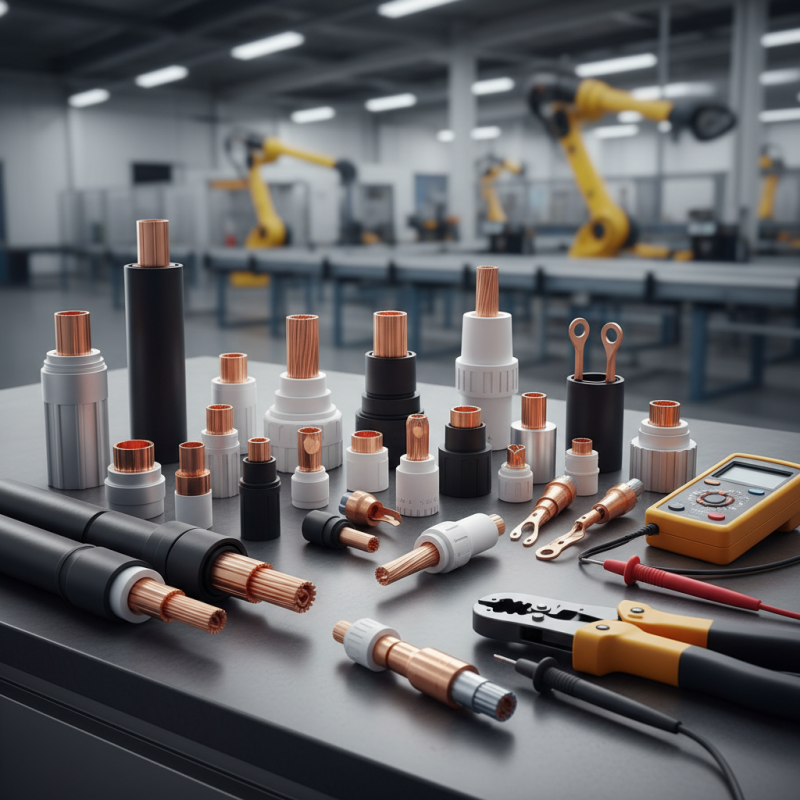
In 2026, selecting the right cable terminals is crucial. Many factors impact decisions, such as durability, corrosion resistance, and ease of installation. Buyers seek terminals that can withstand various environmental conditions. Robust materials like copper and aluminum are preferred for their conductivity and longevity.
Choosing the proper terminals requires understanding specific project needs. For example, high-temperature environments demand unique terminal designs. Not all types fit every application, and that's where careful consideration comes in. Problems can arise from mismatched specifications or poor installations. Conducting a thorough assessment before purchasing ensures better performance.
Moreover, connectivity is a vital aspect in different sectors. From industrial use to residential wiring, terminals vary greatly. The right choice can enhance safety and efficiency. A reliable terminal can prevent electrical failures and provide peace of mind. It’s essential to consult experts when in doubt, as their insights can guide buyers through complex options.
Key Features to Consider When Choosing Cable Joints
When selecting cable joints, durability is paramount. Look for materials that withstand extreme temperatures and harsh environments. Good joints prevent moisture ingress and corrosion. They should offer a robust connection over time.
Another critical factor is the ease of installation. Many buyers favor designs that simplify the setup process. A straightforward installation can save both time and money. Complex joints can lead to errors and delays.
Compatibility with existing systems is also essential. Ensure the chosen joints match the cables in size and specifications. Misleading labeling can lead to poor performance. Stay informed about industry standards to make better choices.
Prioritize products that come with clear guidelines and support. Reflect on the long-term implications of your selection, as improper connections can lead to risks.
Top Brands Leading the Cable Terminal Market in 2026
The cable terminal market in 2026 showcases evolving trends and dominant brands. Notably, quality and innovation drive consumer choices. Buyers prioritize reliability and long-term performance. Various sectors, from construction to manufacturing, depend heavily on these components. Enhanced connectivity remains a focal point for consumers.
Tips: Always assess materials used in cable terminals. High-quality metal can improve conductivity. Look for corrosion-resistant options for outdoor applications. Testing durability is crucial; not all products perform equally.
Several brands have gained prominence in this competitive landscape. Their commitment to research and development reflects in product quality. Customers are also focusing on environmental sustainability. They seek options that minimize ecological impact.
Tips: Don’t overlook certifications when purchasing cable terminals. Compliance with industry standards ensures safety. Inspect the installation process; proper setup can prevent future failures. Recognizing common issues can lead to better product choices.
Best Cable Terminals and Joints for Global Buyers in 2026
| Type |
Material |
Connection Capacity (mm²) |
Application Area |
Market Share (%) |
| Cable Terminal |
Copper |
10-16 |
Industrial |
30 |
| Joint Connector |
Aluminum |
16-25 |
Renewable Energy |
25 |
| Cable Lug |
Tin-Plated Copper |
6-10 |
Marine |
20 |
| Insulated Connector |
Polymer |
16-35 |
Electric Utilities |
15 |
Comparative Analysis of Costs for Global Buyers
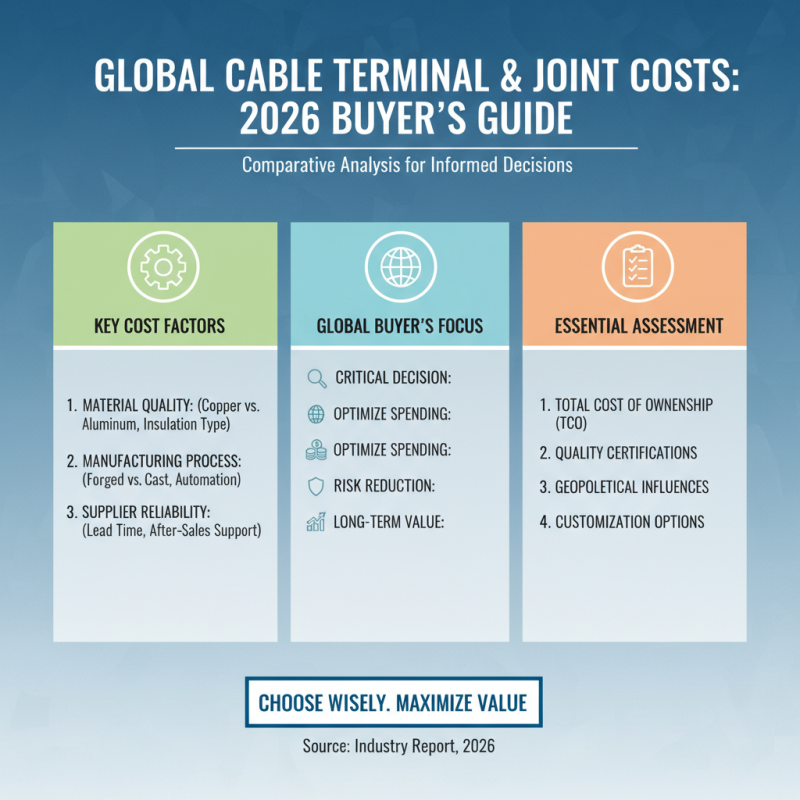
In 2026, global buyers face a critical decision when selecting cable terminals and joints. Understanding the comparative costs is essential for making informed choices. Various factors impact expenses, including material quality, manufacturing processes, and supplier reliability. Buyers must assess these elements thoroughly before finalizing their purchases.
Cost efficiency should not be the only consideration. Many terminals may appear cheaper initially but could lead to higher long-term costs due to inadequate performance. Some suppliers may offer bargains, yet the quality might not meet required standards. It is vital to examine certifications and quality assurance processes. These aspects ensure that products meet international benchmarks.
Investing in reliable terminals and joints can save money over time. Poorly selected components may require frequent replacements or lead to operational failures. This highlights the importance of doing diligent research. Buyers often overlook hidden costs associated with installation and maintenance. A comprehensive cost analysis should include these factors to ensure sustainable purchasing decisions.
Sustainability Trends Affecting Cable Terminal Manufacturing
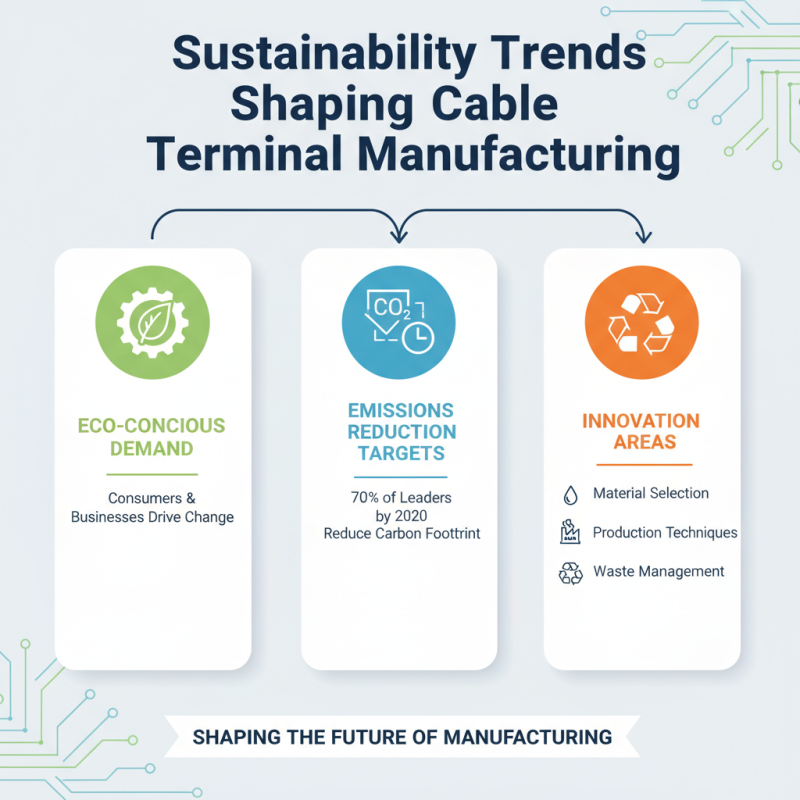
The cable terminal manufacturing industry is witnessing significant shifts driven by sustainability trends. As consumers and businesses become more eco-conscious, manufacturers need to innovate their processes. According to recent reports, about 70% of industry leaders aim to reduce carbon emissions by 2030. This commitment shapes material selection, production techniques, and waste management.
Many companies are adopting circular economy principles. This involves designing products that are easier to recycle and using materials that minimize environmental impact. For example, the use of biodegradable insulation materials is increasing. However, challenges remain in sourcing sustainable materials at scale and ensuring high performance. Reports indicate that while 80% of leaders agree on the importance of sustainability, fewer than 50% have made substantial operational changes.
The pressure from global regulations also affects manufacturing practices. Many regions are implementing stricter environmental standards. This is a chance for innovation but also creates market uncertainty. Companies must balance compliance with performance and cost. Industry data shows a significant portion of firms are still evaluating how to implement sustainable practices effectively. There is much work ahead in optimizing processes for both the planet and profitability.


 Send Email
 Phone
Phone whatsapp
 Wechat
 Whatsapp