How to Use Fuse Link for Optimal Electrical Connections?
In today's electrical engineering landscape, the Fuse Link plays a critical role in ensuring safe and reliable connections. According to a report from the National Electrical Manufacturers Association (NEMA), approximately 30% of electrical failures stem from poor connections. Experts stress the importance of choosing the right fuse link to prevent such issues.
John Carter, a leading authority in electrical safety, emphasizes, “A proper fuse link is more than just a component; it's a safeguard against potential hazards.” This expert insight highlights the need for engineers to understand the specifications and applications of fuse links in various systems. Without this knowledge, the risk of malfunction increases.
Those in the industry recognize that not all fuse links are created equal. Factors like temperature rating, material, and load capacity must align with system requirements. Failing to consider these details can lead to catastrophic outcomes, underscoring the importance of meticulous selection and installation practices.
Understanding the Basics of Fuse Links in Electrical Systems
Fuse links play a crucial role in electrical systems. They are safety devices that protect circuits from overloads and short circuits. When excessive current flows, the fuse link melts, breaking the circuit. This prevents damage to electrical components and reduces fire risks.
Understanding fuse links starts with their ratings and specifications. Each fuse has a specific amperage rating. Selecting the right fuse for the application is vital. Using an incorrect amperage can lead to malfunction or failure. It’s not uncommon for people to miscalculate their needs, resulting in inefficiency.
Installation should be done with care. Ensure connections are secure. Poor connections can lead to overheating and failure. It’s easy to overlook this detail in haste. Regular checks and replacements are essential, as fuse links degrade over time. They should not be exposed to moisture or extreme temperatures. Ignoring these aspects can compromise their effectiveness.
Types of Fuse Links and Their Applications in Electrical Connections
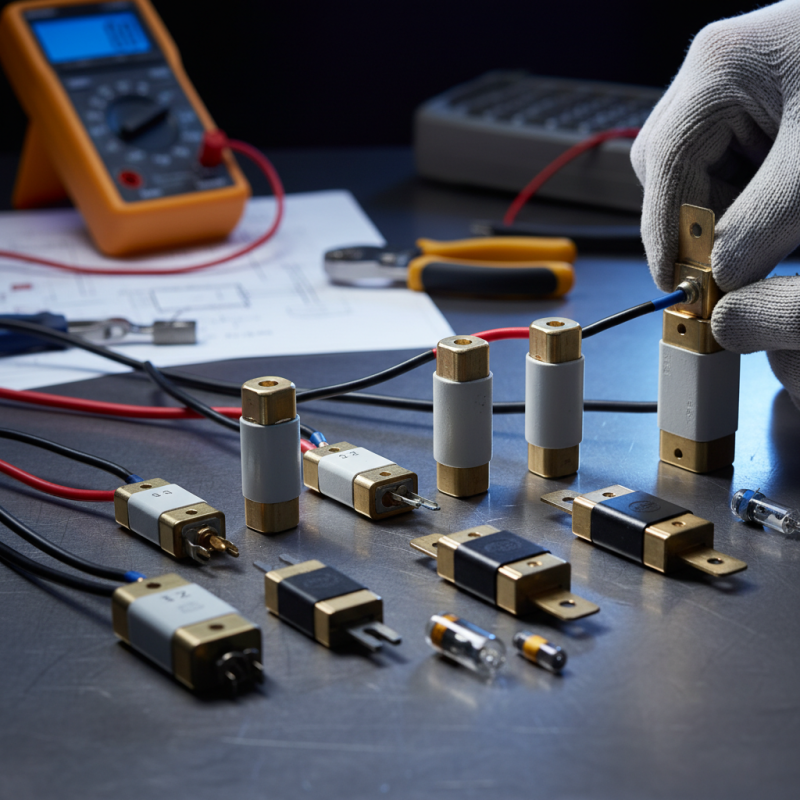
Fuse links play a crucial role in electrical connections, ensuring safety and reliability. There are various types of fuse links, each suited for specific applications. Common types include cartridge fuses, blade fuses, and resettable fuses.
Cartridge fuses are often used in industrial settings. They are effective in protecting machinery from overloads. Blade fuses, on the other hand, are popular in automotive applications. Their compact design allows for easy installation and replacement. Resettable fuses, known as polyfuses, are used in low-power circuits. They can reset automatically when the fault is cleared.
Consider these tips when selecting fuse links. Always match the fuse link's rating to your application's current requirements. Using an underrated fuse can lead to overheating and failures. It’s also vital to account for environmental factors. High humidity or temperature extremes may affect performance. Regularly inspect fuses for signs of wear. This practice can prevent unexpected outages. It’s essential to replace blown fuses immediately. Delaying this can lead to system instability.
When in doubt about fuse requirements, consult a professional. They offer expert insights tailored to your specific needs. Additionally, consider the electrical design of your connections. A well-planned layout can optimize performance and reduce risks. These considerations will aid in effective fuse link usage. Ensuring safety and enhancing the electrical system's longevity is paramount.
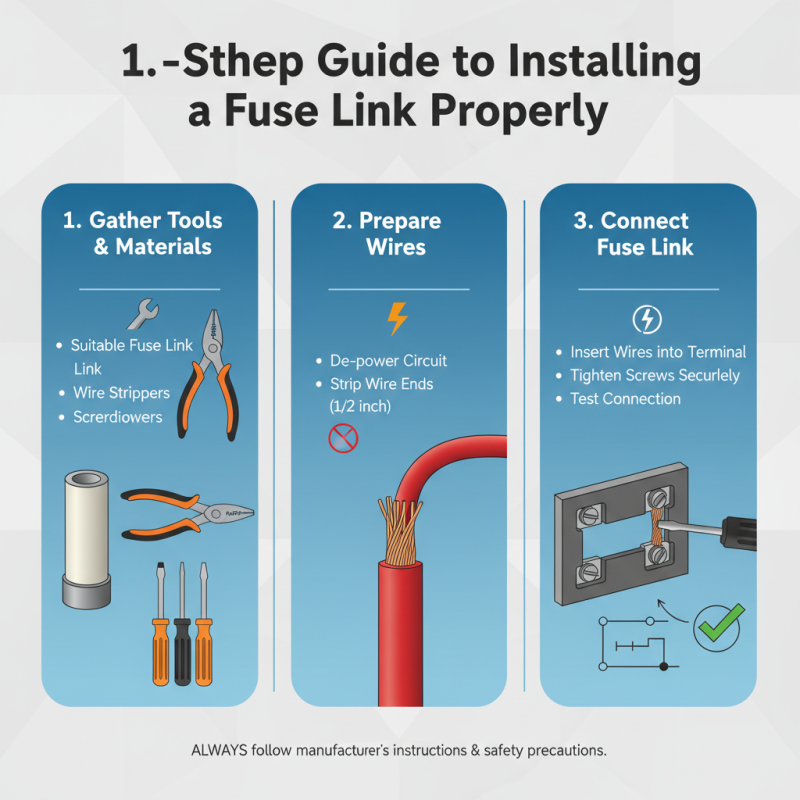
Step-by-Step Guide to Installing a Fuse Link Properly
Installing a fuse link correctly is essential for safe and optimal electrical connections. A fuse link often prevents overload damage. Understanding its installation is critical to ensure reliability and safety in your electrical systems. To begin, gather appropriate tools and materials. This includes a suitable fuse link, wire strippers, and screwdrivers.
Now, carefully cut the wires to length. Strip about half an inch of insulation from each end. Avoid cutting them too short, as this may lead to connection issues later. Next, connect each stripped wire to the fuse link securely. It's vital to ensure strong connections to avoid overheating.
Tips: Always double-check your connections. A loose connection can lead to failures. Ideally, use a multimeter to test the connections before powering on the circuit. If unsure, consult a professional. Mistakes can happen. Learning from trial and error is part of mastering fuse link installation. Pay attention to the fuse ratings and ensure they match your circuit requirements.
Common Mistakes to Avoid When Using Fuse Links
Using fuse links correctly is crucial for electrical safety and efficiency. Many users overlook critical aspects that can lead to performance issues or hazards. One common mistake is applying too high a current rating for the fuse link. This often results in inadequate protection, as fuses are designed to melt and break the circuit under overload conditions. The National Electrical Manufacturer Association (NEMA) reports that improperly rated fuses can increase the risk of electrical fires by 30%.
Another error is neglecting environmental factors. Fuse links must be rated for their specific location. For instance, using a fuse link in high temperatures can shorten its lifespan. A study from the International Electrotechnical Commission (IEC) highlights that failure to consider ambient conditions leads to a 25% increase in equipment failure rates.
Tips: Regularly inspect fuse links for signs of wear. Environment matters. Ensure your fuse link is protected from moisture and extreme heat. Choose the right rating based on your application, not just the highest available. This ensures optimal electrical connections and enhances safety.
Common Mistakes to Avoid When Using Fuse Links
Maintenance Tips for Ensuring Optimal Performance of Fuse Links
Maintaining fuse links is crucial for ensuring optimal electrical performance. Regular inspections can prevent unexpected failures. According to a report by the National Fire Protection Association (NFPA), improper maintenance of electrical components accounts for nearly 20% of all electrical fires. Keeping fuse links clean and free from corrosion is essential. Dirt and oxidation can increase resistance, leading to overheating.
Visual inspections should be done periodically. Look for physical signs of wear. If a fuse link shows discoloration or cracks, it may need replacement. A study by the Institute of Electrical and Electronics Engineers (IEEE) highlighted that over 60% of electrical failures could be traced back to poor maintenance practices.
Documentation of maintenance activities aids in identifying patterns. Tracking performance helps in recognizing recurring issues. Regular training for maintenance personnel is advisable to enhance their understanding of fuse link functionality. This proactive approach fosters reliability in electrical systems, reducing downtime and potential hazards.


 Send Email
 Phone
Phone whatsapp
 Wechat
 Whatsapp