10 Essential Tips for Choosing Cable Terminals and Joints?
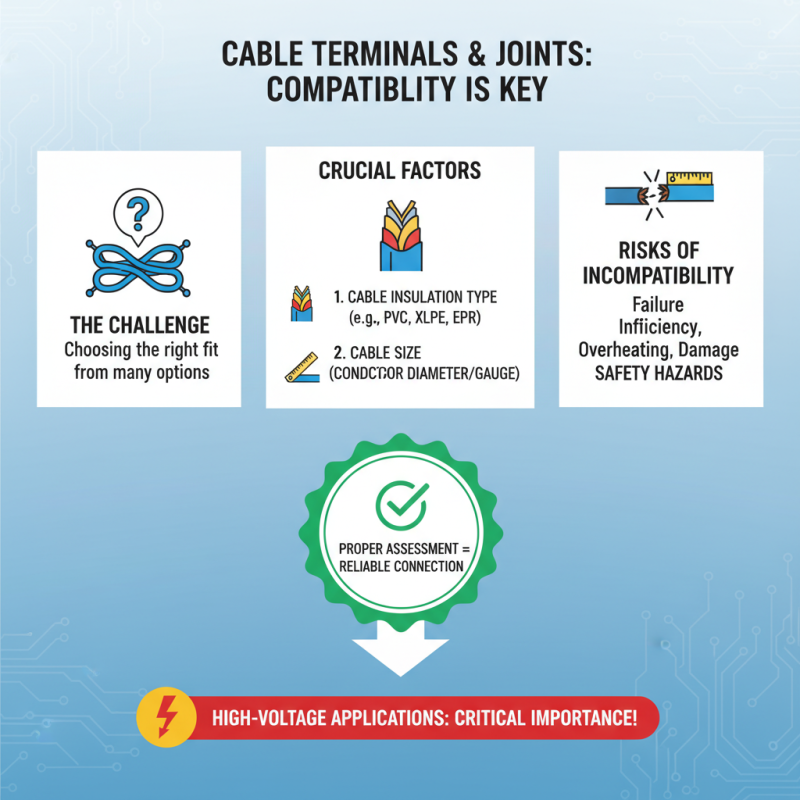
In the world of electrical connections, the choice of cable terminals and joints plays a crucial role. Renowned industry expert Dr. Sarah Thompson states, "Selecting the right cable terminal and joint can significantly impact overall system reliability." This emphasizes the importance of understanding various factors that influence decisions related to cable terminals and joints.
Quality and compatibility are key aspects when choosing cable terminals and joints. Improper selection can lead to performance issues or even system failures. It is essential to consider factors like electrical specifications, environmental conditions, and installation practices. For instance, using a terminal not rated for specific conditions may result in overheating or corrosion.
Ultimately, making informed decisions can enhance the longevity of electrical systems. However, people often overlook the subtleties involved in their choices. Accepting the complexity of these decisions and seeking expert advice can lead to better outcomes. Informed choices are not merely about following a checklist but understanding how cable terminals and joints integrate into the broader system design.
Understanding Cable Terminal Types and Their Applications
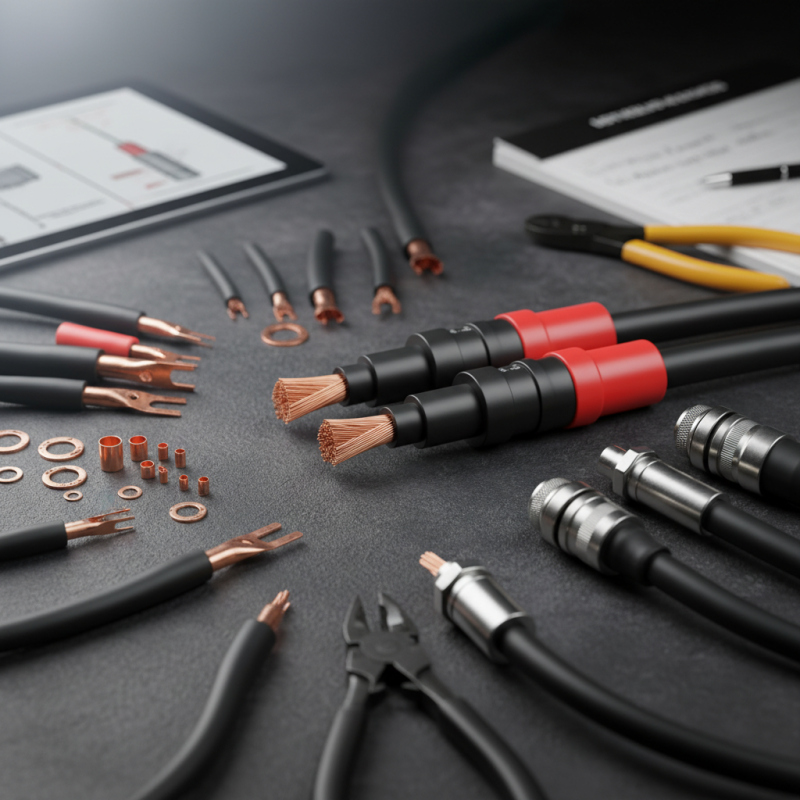
When selecting cable terminals and joints, understanding their types and applications is crucial. Various terminal types include ring, spade, and fork terminals, each suited for different functions. According to industry studies, around 70% of electrical failures can be traced back to improper connections. This emphasizes the need for choosing the right type based on factors like current load and environmental conditions.
Applications differ widely. For example, ring terminals offer secure connections in automotive wiring. Meanwhile, spade terminals allow for quick disconnections, ideal for equipment that frequently needs maintenance. Electrical standards, such as IEC 60947-1, further guide the selection process, ensuring compatibility and safety.
Choosing cable terminals also requires knowledge of materials. Copper and aluminum are common, but their conductivity varies significantly. Poor selection leads to overheating or voltage drops. Additionally, consider environmental factors like moisture and temperature. These aspects can significantly impact terminal performance. Understanding these details ensures better reliability and longevity.
Evaluating Electrical Ratings for Optimal Performance in Joints
When evaluating electrical ratings for cable terminals and joints, understanding the specifics can significantly improve performance. Electrical ratings often dictate how well a joint can handle various conditions. Each connection faces different environmental stresses that influence its efficiency. Selecting the right terminal means examining voltage ratings, current-carrying capacity, and temperature limits.
One tip is to always check the manufacturer's specifications. These provide essential data for your application. Not all terminals are created equal—different materials can change how they perform. For instance, copper may be preferable for lower resistance, while aluminum is lighter.
Consider the installation environment too. Moisture, chemicals, and temperature fluctuations require different ratings. Do not overlook cable insulation types, which can directly impact performance. Your choices should align with application demands for optimal results. A mismatched specification could lead to failures over time, impacting safety and functionality. Always prioritize reliability in your selection process.
10 Essential Tips for Choosing Cable Terminals and Joints
| Tip |
Description |
Electrical Rating |
Material Type |
| 1. Assess Current Load |
Ensure the terminal can handle the maximum current load. |
Up to 200 Amps |
Copper |
| 2. Check Voltage Rating |
Choose terminals rated for higher voltage than the application. |
Up to 1000 Volts |
Aluminum |
| 3. Evaluate Temperature Rating |
Consider the operational temperature conditions. |
-40°C to 90°C |
Steel |
| 4. Determine Environmental Resistance |
Select terminals that withstand moisture, dust, and chemicals. |
IP67 Rating |
Nickel-plated |
| 5. Check Compatibility with Cable Size |
Ensure it fits the cable size you are using. |
AWG 10 - AWG 2 |
Tin-plated |
| 6. Review Mechanical Strength |
Select products that can handle physical stresses. |
High tensile strength |
Copper alloy |
| 7. Inspect Connection Type |
Choose between crimp, screw, or solder connections. |
N/A |
Copper |
| 8. Consider Ease of Maintenance |
Select connectable products for easier upkeep. |
N/A |
N/A |
| 9. Verify Certification Standards |
Ensure compliance with relevant industry standards. |
UL, CE |
Various |
| 10. Ask for Professional Guidance |
Consult with experts for tailored advice on your needs. |
N/A |
N/A |
Material Selection: Balancing Conductivity and Durability
When selecting cable terminals and joints, material choice plays a crucial role. It is essential to balance conductivity and durability. Copper is known for excellent conductivity, while aluminum offers lightweight benefits. Consider environmental factors, as corrosion can impact performance. Select materials that can withstand specific conditions, such as moisture or extreme temperatures.
One important tip is to evaluate the installation environment. Harsh conditions demand robust materials. For marine applications, stainless steel is a viable option. It resists corrosion effectively. On the other hand, regular copper may corrode faster in such environments.
Durability also involves how the components connect. Poorly designed joints can lead to failure. Therefore, always check for manufacturer specifications. They provide essential insights into expected lifespan and performance. Investing time in understanding materials can significantly enhance reliability in electrical systems.
10 Essential Tips for Choosing Cable Terminals and Joints
Installation Best Practices for Long-Lasting Connections
When installing cable terminals and joints, it's crucial to adhere to best practices for long-lasting connections. Always start by preparing the cable ends properly.
Strip the insulation carefully to avoid damaging the conductors. This attention to detail minimizes the risk of poor connections. Additionally, use the right tool for crimping.
A poorly made crimp can lead to increased resistance and even failure over time.
Ensure that all connections are clean and free from contaminants.
Dirt or moisture can lead to corrosion and other long-term issues. Using dielectric grease is a good practice in harsh environments. It provides an extra layer of protection against corrosion. Equally important is the proper torque when tightening connections.
Over-tightening can cause conductor damage, while under-tightening can lead to wiggle and fatigue.
Testing the connections post-installation is essential. A simple continuity test can save hours of troubleshooting later. If the connection doesn't pass this test, revisit the installation steps.
Reflection on previous installation experiences can provide valuable insights. Each mistake teaches a lesson that enhances future practices. Aim to learn and adapt continuously.






 Send Email
 Phone
Phone whatsapp
 Wechat
 Whatsapp