2026 How to Choose the Best Fuse Cutouts for Your Electrical Needs?
Choosing the right fuse cutouts is crucial for any electrical system. These components play a vital role in ensuring safety and reliability. Whether in residential, commercial, or industrial settings, fuse cutouts protect circuits from overloads.
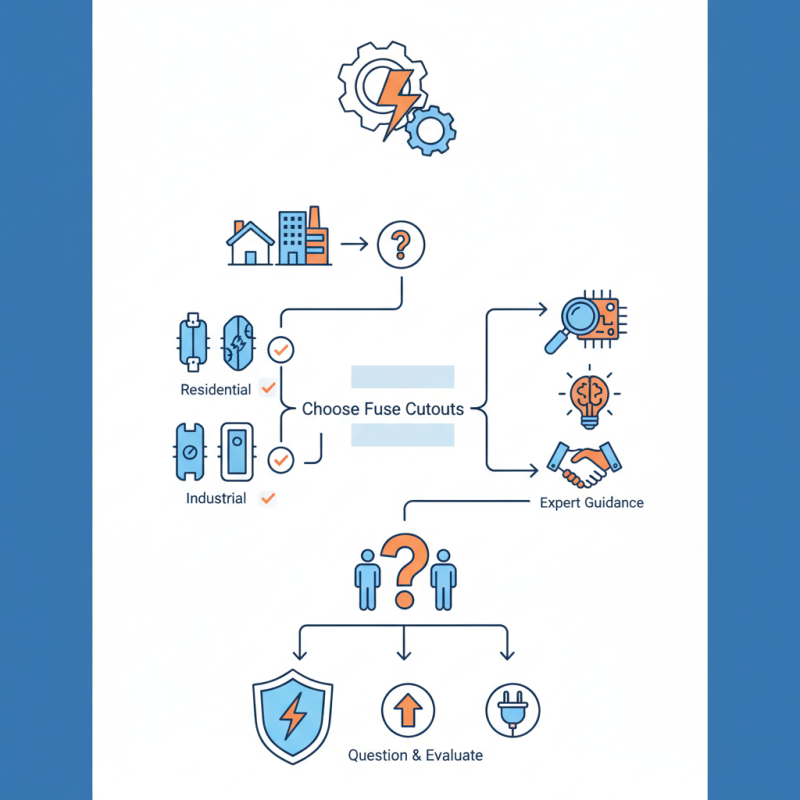
When selecting fuse cutouts, consider several factors. First, you must assess the specific requirements of your electrical system. Various types of fuse cutouts exist, each with distinct advantages and drawbacks. Some may work better in certain environments than others. Exploring these options can lead to better performance and longevity.
Expert guidance is essential in this process. Knowledgeable professionals can offer insights tailored to individual needs. However, not all recommendations may suit every situation. It’s important to question and evaluate the advice given. A thoughtful approach ensures that you choose fuse cutouts that truly meet your requirements. Ultimately, the right choice leads to enhanced safety and efficiency in your electrical system.
Understanding Fuse Cutouts and Their Functionality
Fuse cutouts play a critical role in electrical systems, providing safety and reliability. They serve as disconnect switches that protect electrical circuits from overloads and short circuits. A fuse cutout consists of a fuse element housed in a weatherproof enclosure. It disconnects the circuit when a fault occurs, ensuring both equipment and personnel are safe.
Understanding their functionality is key to effective use. These cutouts are interconnected with overhead power lines, often mounted on utility poles. When a fault occurs, the fuse element melts, breaking the circuit. This action prevents damage to transformers and other components. Choosing the correct fuse cutout requires careful consideration of the voltage rating. Users must understand the specific requirements of their electrical systems.
There can be a misconception about their durability. While designed for rugged environments, wear and tear can occur over time. Regular inspections are crucial to maintain functionality. Choosing the wrong type or size can result in inadequate protection. This leads to unnecessary risks and potential failures. Thus, expertise in understanding the nuances of fuse cutouts is essential.
Types of Fuse Cutouts Available in the Market
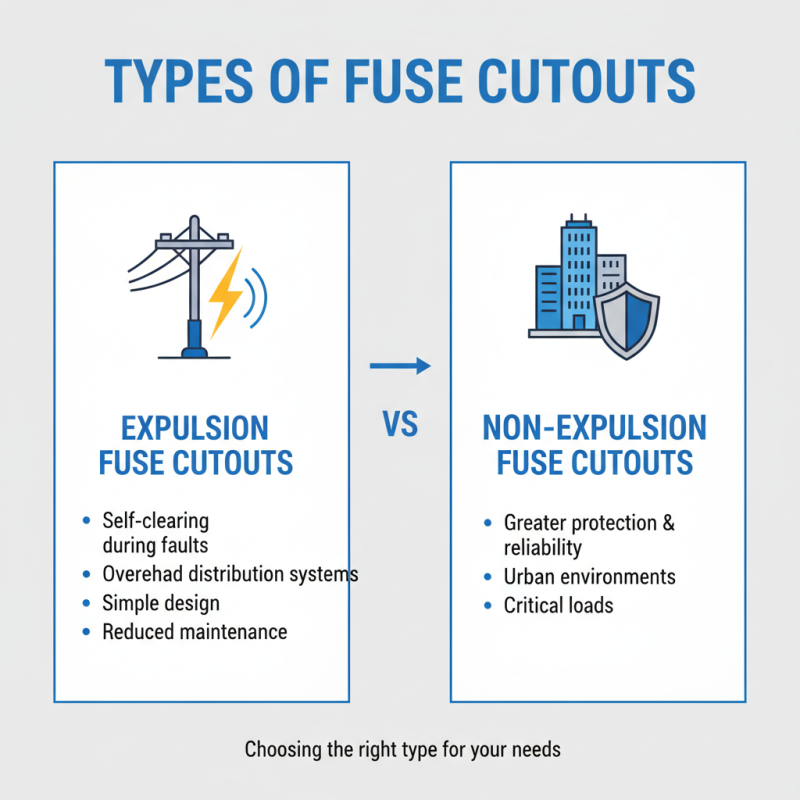
When selecting fuse cutouts, it's crucial to understand the types available in the market. The two primary categories are expulsion fuse cutouts and non-expulsion types. Expulsion cutouts are designed to remove themselves from the circuit during a fault, making them suitable for overhead distribution systems. They often feature a simple design, reducing maintenance costs. On the other hand, non-expulsion cutouts provide greater protection and reliability, making them ideal for urban environments and critical loads.
Recent industry reports estimate that around 65% of electrical outages are linked to equipment failures. This data emphasizes the importance of choosing the right fuse cutout. Ensure that the fuse cutout matches your application requirements. Consider voltage ratings and environmental conditions. Choosing the wrong type may lead to frequent failures or safety hazards.
Tip: Regular inspections can reveal issues before they cause failures. Evaluate your cutouts periodically, looking for signs of wear or damage. Investing in quality can save costs in the long run. Seek certifications from recognized organizations to ensure reliability. Proper selection and routine maintenance can enhance the life of your electrical systems.
Factors to Consider When Choosing Fuse Cutouts
When selecting fuse cutouts, several critical factors influence the decision. Proper voltage rating is essential to ensure safety and prevent equipment damage. Many industry reports note that using cutouts rated above the system voltage can lead to operational failures. A well-known statistic indicates that 30% of electrical failures arise from improper voltage assessments.
Additionally, environmental conditions play a significant role. For example, locations with high humidity or corrosive environments require cutouts with enhanced weather resistance. Data shows that 20% of failures occur due to environmental degradation. It is crucial to select cutouts designed to withstand specific environmental challenges to enhance longevity.
Lastly, installation needs cannot be overlooked. Fuse cutouts should be compatible with existing infrastructure. Incorrect compatibility can lead to increased costs and downtime. Industry guidelines suggest that users evaluate existing systems thoroughly before purchasing new cutouts. An often neglected aspect is periodic maintenance, which should also be a consideration. Neglecting maintenance can lead to early failures and increased safety risks.
Installation and Maintenance Tips for Fuse Cutouts
When installing fuse cutouts, it’s crucial to ensure they are placed at appropriate heights. This ensures easy access for maintenance while keeping them away from potential hazards. Next, always check manufacturer guidelines for specific safety distances. Proper spacing reduces the risk of electrical faults.
Regular maintenance is key to ensuring longevity. Inspect connections for signs of corrosion or wear. Replace any damaged components immediately. Many people overlook these small parts, but they are vital for safety. A good practice is to create a maintenance schedule. This helps in monitoring the condition of your fuse cutouts over time.
Training personnel on safe handling techniques is essential. Even small errors can lead to significant problems. Provide refresher courses on safe practices and emergency procedures. Take time to evaluate existing processes. There’s always room for improvement in installation and upkeep practices.
Safety Standards and Regulations for Fuse Cutouts
When selecting fuse cutouts for electrical systems, understanding safety standards is crucial. These standards are designed to protect both equipment and personnel. Each region may have its own regulations. Familiarizing yourself with these is essential for compliance and safety.
The National Electrical Code (NEC) provides guidelines for installations. It covers aspects like load limitations and grounding requirements. Not adhering to these can lead to hazards. Inspectors often emphasize these standards during evaluations. Therefore, ensuring your fuse cutouts meet these guidelines is vital.
Beyond regulations, consider the environmental conditions where the cutouts will be installed. Factors like temperature fluctuations or moisture impact performance. Using cutouts suited for specific conditions can reduce maintenance issues. Reflect on your needs before making a choice. This can prevent costly mistakes.
Electric Fuse Cutouts - Compliance with Safety Standards





 Send Email
 Phone
Phone whatsapp
 Wechat
 Whatsapp