2026 Top Trends in Line Hardware Innovation and Technology?
As we approach 2026, the landscape of Line Hardware continues to evolve. Industry reports highlight a projected increase in demand for advanced infrastructure solutions, with the global market estimated to reach USD 30 billion by 2025. Line Hardware innovations play a crucial role in enhancing efficiency and reliability across various sectors, including telecommunications and utilities.
Significant advancements in technology are reshaping how Line Hardware is developed and used. For example, smart sensors integrated into line systems are expected to reduce maintenance costs by up to 20%. Industry experts emphasize the importance of adopting sustainable practices, as 75% of businesses now prioritize eco-friendly materials. However, there is a looming challenge: ensuring data security amid growing cyber threats.
The focus on Line Hardware innovation brings both opportunities and challenges. Companies must embrace new technologies while addressing potential flaws in deployment. As we look ahead, collaboration among stakeholders will be essential to navigate these complexities and drive the industry forward. The importance of Line Hardware in contributing to robust infrastructure cannot be overstated.

Key Technological Advances in Line Hardware for 2026
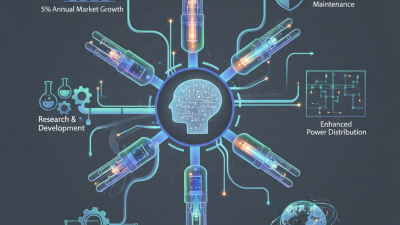
The line hardware industry is witnessing significant technological advances in 2026. One major trend is the integration of smart sensors into line systems. These sensors provide real-time data on performance and wear. This capability allows for predictive maintenance, which can reduce downtime. Organizations can optimize their operations without constant manual checks.
Another important innovation is the development of lightweight materials. New composite materials are emerging, offering high strength-to-weight ratios. This change can improve efficiency and reduce costs. However, these materials may present challenges in durability and environmental impacts. Ensuring reliability over time is crucial but remains a concern.
Lastly, automation continues to evolve. Automated line systems are not just about speed; they focus on precision and safety. However, the reliance on automation raises questions about skill gaps in the workforce. Training will be essential to address potential challenges. There’s a delicate balance to maintain between technology and human expertise. Each of these trends reflects a shift towards smarter and more efficient line hardware solutions.
Emerging Materials Reshaping Line Hardware Design
Emerging materials are transforming line hardware design in innovative ways. New composites are lighter yet stronger than traditional options. This shift allows for more efficient infrastructure solutions, reducing costs and improving durability. For example, state-of-the-art polymers can resist corrosive elements better than metals. These breakthroughs enhance performance in various environments.
However, there are challenges in adopting these materials widely. Cost remains a concern for many manufacturers. Some materials may require specialized processes, complicating integration into existing systems. Additionally, the long-term reliability of new materials is still being tested. Engineers must carefully balance innovation with practicality. Understanding the potential risks is vital for successful implementation.
The ongoing research in this area is promising. Scientists are exploring bio-inspired designs that can adapt to environmental conditions. This could lead to hardware that self-repairs or responds dynamically. While these concepts are exciting, they also present uncertainties. How they will perform over time remains an open question. The future of line hardware innovation will depend on addressing these complexities while pursuing advanced material applications.
2026 Top Trends in Line Hardware Innovation and Technology
| Trend |
Description |
Impact |
Emerging Materials |
| Sustainable Materials |
Increasing focus on eco-friendly and recyclable materials for line hardware. |
Reduces environmental footprint and appeals to eco-conscious consumers. |
Biodegradable composites, recycled metals. |
| Smart Technology Integration |
Utilization of IoT devices in line hardware for enhanced monitoring and control. |
Increases operational efficiency and maintenance capabilities. |
Sensors, wireless communication devices. |
| Lightweight Alloys |
Adoption of lightweight, durable alloys to improve performance. |
Enhances efficiency and reduces load on structures. |
Titanium alloys, aluminum-lithium alloys. |
| Advanced Coatings |
Development of new coating technologies for corrosion resistance. |
Prolongs lifespan of line hardware and reduces maintenance costs. |
Nanostructured coatings, anti-corrosion polymers. |
| 3D Printing Innovations |
Use of 3D printing for rapid prototyping and manufacturing of complex designs. |
Increases design flexibility and accelerates production timelines. |
Engineering plastics, metal 3D printing materials. |
Integration of IoT in Line Hardware Solutions
The integration of IoT in line hardware solutions is transforming industries. Smart devices are now capable of communicating in real-time. This connectivity enables enhanced monitoring and control of machinery. Manufacturers can gather data from sensors embedded in their equipment. Analyzing this data helps identify inefficiencies and predict failures.
However, not all implementations are seamless. The complexity of IoT systems can lead to challenges. Security concerns are prominent, as connected devices are vulnerable to cyber threats. Additionally, the integration requires significant investment, which may deter smaller companies. Despite these hurdles, the benefits of enhanced efficiency and reduced downtime are striking.
Real-time data access allows for swift decision-making. Maintenance schedules can be optimized based on actual usage. Workers can receive alerts directly to their devices. However, the reliance on technology raises questions. What happens when systems fail? Backup plans must be established to mitigate risks. As we move closer to 2026, the balance between innovation and reliability will be crucial.
2026 Top Trends in Line Hardware Innovation and Technology
This chart illustrates the projected growth in the adoption of IoT technologies in line hardware solutions from 2023 to 2026.
Future-Proofing Line Hardware: Anticipating Market Needs in 2026
As we look towards 2026, the landscape of line hardware is rapidly evolving. Identifying future trends is essential for businesses aiming to stay relevant. One emerging need is increased durability and efficiency in designs. Hardware must withstand rigorous use while performing optimally in diverse environments. Companies are exploring new materials to enhance strength without sacrificing weight.
Another key factor is integrating advanced technology. Smart features can drive efficiency and provide real-time data for users. Automation is on the rise, helping streamline operations. However, finding the balance between automation and human oversight is critical. Businesses must ensure their solutions do not create dependency on technology.
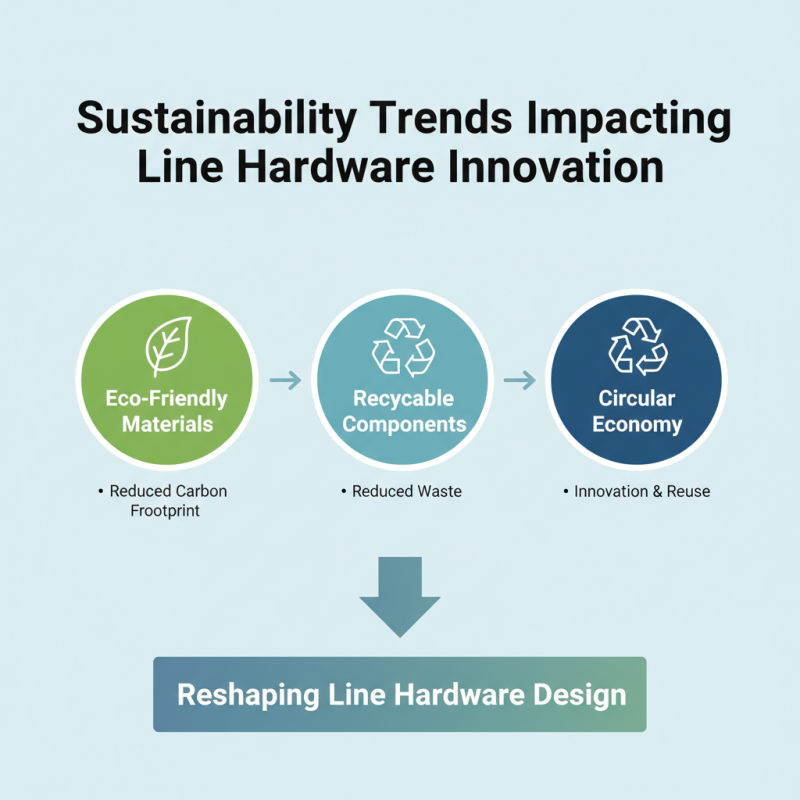
Additionally, sustainability is becoming a pressing requirement. Consumers are leaning towards eco-friendly products, prompting manufacturers to rethink production methods. Creating renewable resources and minimizing waste is integral. Some companies are still struggling to meet these standards consistently, indicating room for improvement and innovation. Companies that can anticipate these needs will likely emerge as market leaders, shaping the future of line hardware.


 Send Email
 Phone
Phone whatsapp
 Wechat
 Whatsapp