2026 Top Mv Fittings Trends and Innovations You Should Know?
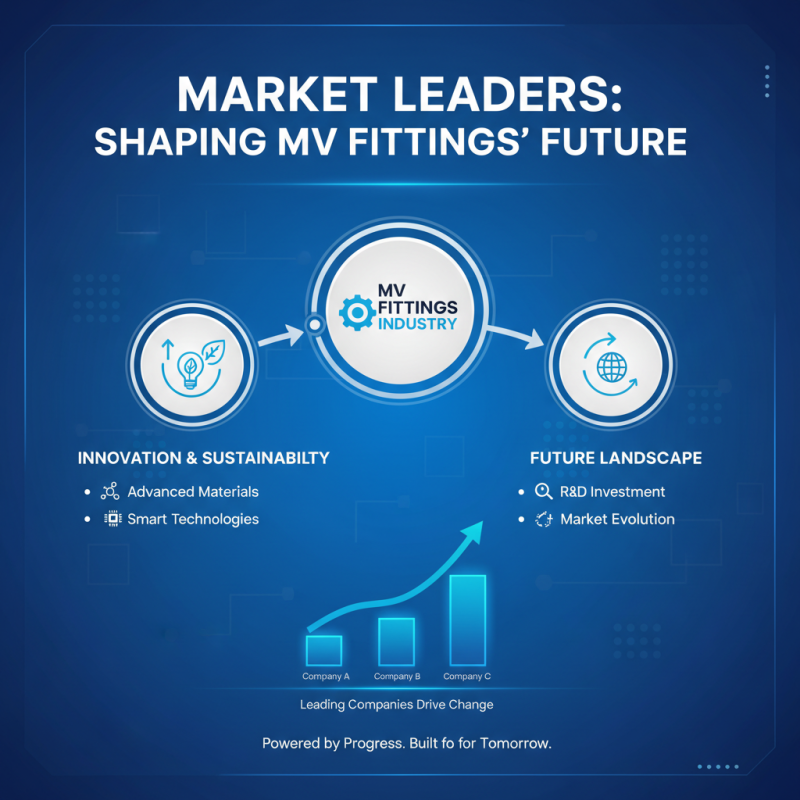
In 2026, the landscape of Mv fittings is set to undergo significant transformation. Industry reports indicate a surge in demand for innovative designs and materials in MV fittings, driven by the rise in renewable energy projects. According to the Global Electrical Fittings Market Analysis, the sector is expected to grow at a compound annual growth rate (CAGR) of 7% from 2023 to 2028.
As industries adopt smarter technologies, Mv fittings must adapt. The emphasis on efficiency, safety, and sustainability is more pronounced than ever. New materials like advanced polymers and composites are emerging, offering improved durability and resistance. However, challenges remain in balancing innovation with cost-effectiveness.
Despite technological advancement, there are areas needing reflection. Many companies struggle with the integration of smart features in Mv fittings. The question remains: how can we ensure these innovations meet the diverse needs of our evolving energy landscape? Industry leaders must navigate these complexities to offer reliable and efficient solutions.
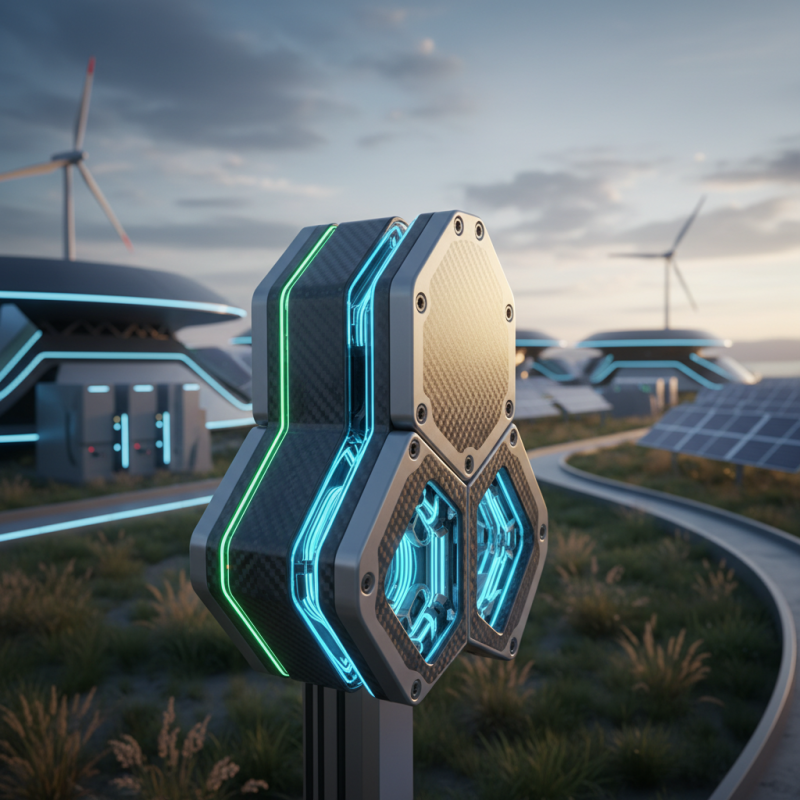
2026 Trends in MV Fittings: A Look at Industry Growth Projections
The MV fittings industry is poised for significant growth in 2026. According to recent market analysis, the sector is expected to grow at a compound annual growth rate (CAGR) of 7.5%. This expansion is driven by increasing demand for sustainable energy solutions. Enhanced technology and materials are shaping the future of MV fittings.
A notable trend in the MV fittings market is the rising preference for smart fittings. These innovations incorporate sensors and connectivity features. They provide real-time data for maintenance needs. This technology not only increases efficiency but also helps in reducing operational costs. Many operators are realizing the benefits of adopting smart solutions for improved performance.
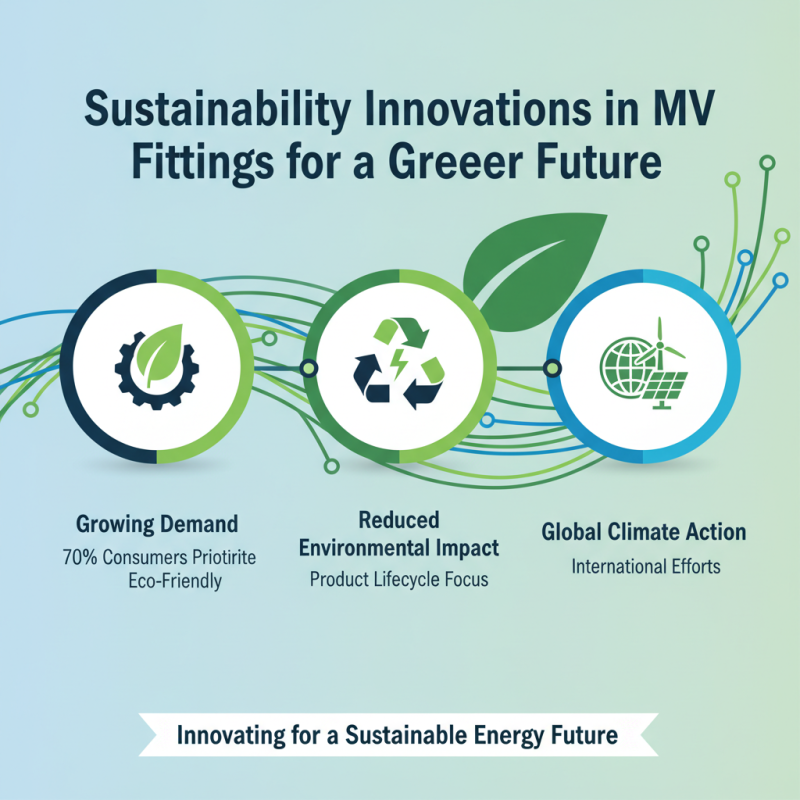
Tip: Consider investing in smart MV fittings to stay ahead of the competition. They offer a proactive approach to maintenance and can lead to long-term savings. Another trend worth noting is the emphasis on eco-friendly materials. Manufacturers are exploring biodegradable and recyclable options. This shift not only meets regulatory standards but also appeals to environmentally conscious consumers.
Overall, the MV fittings industry is evolving. Stakeholders must adapt to these changes. As the market shifts, a proactive approach will lead to better resilience and competitiveness.
Smart Technologies in MV Fittings: The Role of IoT and Automation
Smart technologies are reshaping the landscape of medium voltage (MV) fittings, creating a fusion of connectivity and automation. The Internet of Things (IoT) plays a pivotal role in this transformation. By integrating smart sensors into MV fittings, utilities can gather real-time data. This data enhances grid visibility and enables proactive maintenance. Sensors track parameters like temperature and humidity, providing critical insights.
Automation further complements IoT advancements. Automated systems can react to anomalies, improving operational efficiency. For instance, if a fitting shows irregular performance, alerts trigger maintenance checks. This reduces the chance of unscheduled outages. Despite the benefits, challenges remain. Not all systems are compatible, leading to integration headaches. Data security is another concern, as more devices mean more potential vulnerabilities.
The potential of smart MV fittings is impressive, yet not without its pitfalls. Utility companies must prioritize cybersecurity as they embrace new technologies. Ongoing training for staff is essential to manage these systems effectively. As innovations continue, a delicate balance between technology and human oversight is necessary to ensure reliability and safety.
Key Materials Driving Changes in MV Fittings Design and Functionality
The landscape of medium voltage (MV) fittings is evolving significantly, driven by advancements in material science. The latest reports indicate that materials such as composites and advanced alloys are becoming essential. Composites offer lightweight solutions, reducing installation costs and improving efficiency. Meanwhile, advanced alloys enhance durability, ensuring longer service life and reducing maintenance needs. These materials are now integral in designing fittings that can withstand extreme environmental conditions.
Tips: When selecting MV fittings, consider the environmental factors they’ll face. Proper material choice can lead to long-term cost savings.
It's important to note that while innovation drives progress, some challenges remain. Not all new materials are tested for long-term performance. This uncertainty can lead to unexpected failures in the field. The industry must balance innovation with adequate testing and validation to ensure reliability.
Tips: Regularly review new material certifications and case studies to stay informed. Staying updated on the latest tests can mitigate risks.
As the use of these materials grows, detailed attention to design and functionality becomes paramount. Stakeholders must continuously evaluate the implications of these design choices. Ensuring that MV fittings meet both current and future needs is essential for sustainability in energy distribution.
2026 Top MV Fittings Trends and Innovations



 Send Email
 Phone
Phone whatsapp
 Wechat
 Whatsapp