Top 10 Essential Anchoring Clamp Features Buyers Should Know
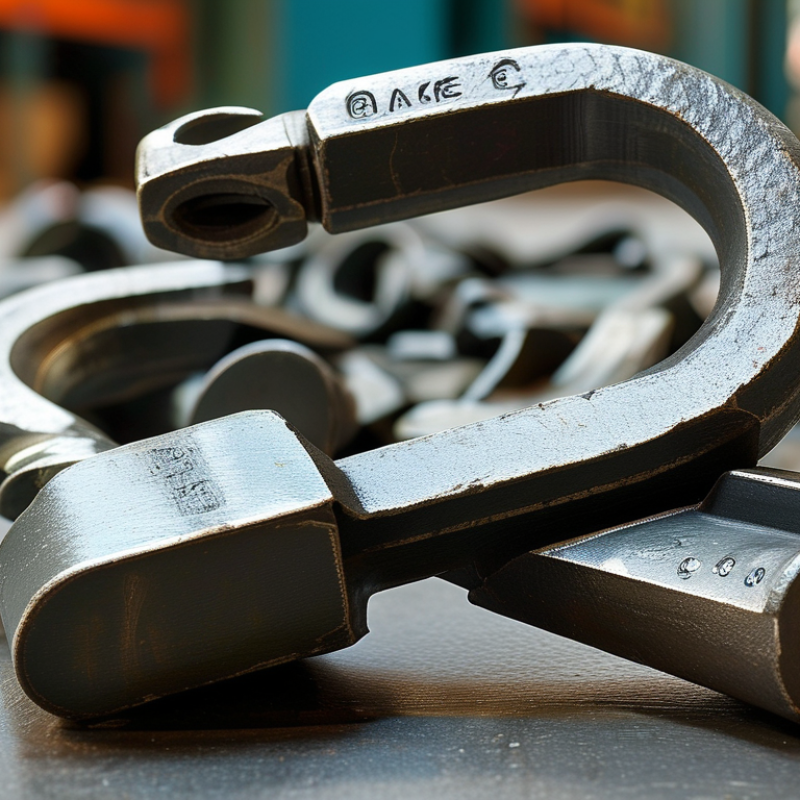
When it comes to choosing the right anchoring clamp, understanding its key features is vital. An anchoring clamp is integral for secure connections in various applications. The right features ensure that you get the most out of your investment.
In this guide, we explore essential anchoring clamp features that every buyer should know. These features enhance durability, reliability, and performance. A well-designed anchoring clamp can make a significant difference in safety and operational efficiency.
However, not all clamps are created equal. Some may lack the critical elements that provide strength and reliability. It’s crucial to reflect on these details during your selection process. A strong anchoring clamp can prevent failures, but overlooking its features can lead to risks that could have been avoided. Pay attention to the details for a successful purchase.
Key Materials Used in Anchoring Clamps and Their Benefits
When considering anchoring clamps, the materials used play a crucial role in their effectiveness. Steel is a common choice due to its high tensile strength. A report from the American Society of Mechanical Engineers notes that steel can endure up to 250,000 PSI. This makes it ideal for high-stress applications. However, steel can also be prone to rust without proper coating, which is a significant drawback.
Aluminum is another material frequently chosen for its lightweight properties. A study from the Aluminum Association highlights that aluminum clamps can reduce overall installation weight by up to 30%. This can enhance efficiency during transport and installation. Yet, while aluminum resists corrosion, it may not offer the same load-bearing capacity as steel.
Thermoplastics have gained popularity due to their chemical resistance and flexibility. The Plastics Industry Association reports that thermoplastic clamps can withstand harsh environmental conditions. These materials can also be molded into complex shapes, allowing for innovative designs. Still, their strength under heavy loads may not be sufficient in all situations, which users need to consider.
Understanding Load Ratings and Weight Capacities of Anchoring Clamps
When selecting anchoring clamps, understanding load ratings is crucial. Load ratings indicate the maximum weight the clamp can support safely. Misjudging this can lead to failures. For instance, a clamp rated for 500 pounds may collapse under a 600-pound load. Ensure you verify these ratings before any application.
Weight capacities also vary between different clamps. Some are designed for heavy-duty use, while others cater to lighter tasks. Knowing what you need is key. A heavy-duty clamp might be overkill for smaller projects. Consider your project requirements carefully. Sometimes, selecting the wrong clamp leads to safety hazards.
Be mindful of the material and design of the clamp, too. Different materials can affect overall performance. Metal clamps often carry higher load ratings. Inspect the clamp for any signs of wear. Regular checks can prevent potential failures. Balancing capacity and safety should guide your choices.
Load Ratings and Weight Capacities of Anchoring Clamps
Essential Design Features That Enhance Clamp Stability and Safety
When considering anchoring clamps, safety and stability are paramount. A recent industry report indicates that improper clamp usage contributes to nearly 25% of equipment failure incidents. Understanding design features can significantly mitigate these risks.
One essential design feature is the clamp's jaw-to-surface contact. Increasing the surface area improves grip and prevents slippage. A study shows that clamps designed with enhanced jaw profiles can increase grip strength by up to 30%. This means a more secure hold during operations, especially in high-stress situations.
Another crucial aspect is the clamp's material integrity. Clamps made from high-quality alloys exhibit higher resistance to wear and deformation. According to materials science research, these alloys can extend the lifespan of clamps by as much as 40%. However, some users overlook routine inspections, leading to potential hazards. Regular checks for wear and tear stand as a vital practice for maintaining safety and performance.
Types of Anchoring Clamps and Their Specific Applications
Anchoring clamps play a crucial role in various applications, from marine construction to telecommunication towers.
Understanding their types is essential for effective use. For instance, single-point clamps are commonly employed in lifting operations,
while multi-point clamps are ideal for structural support. According to industry analysis, the global market for anchoring devices is expected to grow by
5.6% annually, reflecting the increasing need for reliable equipment in construction.
Different projects may require specific clamp features. For underwater applications, corrosion-resistant materials are vital. In contrast, electrical installations often favor clamps designed for insulation purposes.
Research indicates that improper selection can lead to project delays or even safety hazards. For example, the wrong clamp in a high-stress environment can result in catastrophic failures,
emphasizing the importance of making informed choices.
Moreover, many users overlook the significance of load ratings. Using a clamp beyond its specified limit can compromise safety. Insights from the
2022 Equipment Safety Report suggest that nearly 45% of equipment failures stem from inadequate load assessment.
Being aware of these details can enhance operational safety and efficiency in every sector utilizing anchoring clamps. The industry still grapples with education gaps, creating a need for better training on these essential devices.
Maintenance Tips for Ensuring Longevity of Anchoring Clamps
Anchoring clamps are critical components in various applications, from construction to marine environments. To ensure their longevity, proper maintenance is essential. Regular inspections are vital. Check for signs of wear or corrosion. Statistics reveal that routine maintenance can increase equipment lifespan by up to 30%. Neglecting this can result in significant downtime and repair costs.
One effective method to maintain these clamps is through proper lubrication. Many experts recommend lubricating clamps every three months, depending on usage. Using the right lubricant can prevent rust and ensure smooth operation. Additionally, cleaning debris and contaminants from the clamps is crucial. A study highlighted that contaminants could shorten the lifespan of an anchoring clamp by up to 40%. Keeping everything clean allows for a more accurate operational performance.
While these routines seem straightforward, they can be overlooked. Many professionals might consider them as simple tasks, but they are fundamental in enhancing performance. In reality, it’s easy to forget the smaller details while focusing on bigger project goals. Awareness of maintenance can be a game-changer, paving the way for safer and more efficient operations. Consistency in maintenance habits fosters reliability and can help avoid unexpected failures in the field.






 Send Email
 Phone
Phone whatsapp
 Wechat
 Whatsapp
