2026 Top Substation Switchs Innovations and Trends Explained?
As the energy sector evolves, innovations in Substation Switchs take center stage. The landscape is changing rapidly, and staying ahead is crucial for operational efficiency. New technologies are significantly improving reliability and performance, with digital solutions leading the way.
In 2026, we see a variety of trends shaping this field. For example, smart switch technology is making grid integration smoother. These innovations come with their own challenges. The integration of new systems often requires updates to existing infrastructure, which can be complex for many operators.
Moreover, the need for sustainability is changing how substations operate. With renewable energy sources on the rise, Substation Switchs must adapt to varied energy inputs. This ongoing evolution will require a blend of expertise and adaptability. Stakeholders must remain informed and responsive to these changes.
Innovations in Substation Switch Technology: Key Developments for 2026
As we look toward 2026, innovations in substation switch technology are evolving rapidly. A significant shift has been the integration of digital monitoring systems. According to an industry report, approximately 30% of substations will adopt smart grid technologies, enhancing operational efficiency. This transition reduces downtime for maintenance, allowing utilities to respond more quickly to outages. The use of artificial intelligence in predictive maintenance further optimizes resource management.
Another area of development is the improved materials used in switch design. Current research indicates that lightweight composites could offer a 20% reduction in component weight. This change can lead to easier installation and reduced material fatigue over time. However, the challenge remains in ensuring these materials can withstand extreme weather conditions. The industry must address these durability concerns to fully realize the potential of these advancements.
The push for sustainability is also shaping substation switch innovations. Many operators are focusing on eco-friendly manufacturing processes. This effort is essential as environmental standards continue to become stricter. However, balancing cost with sustainable practices remains a challenge. It's crucial for stakeholders to engage in open dialogues about these trade-offs as we approach the next era of substation technology.
Impact of Smart Grid Integration on Substation Switch Designs
The integration of smart grid technology significantly impacts substation switch designs. According to the Smart Electric Power Alliance, about 70% of utilities plan to invest in smart grid initiatives within the next few years. This shift requires switches to adapt to changing demands and operational efficiency standards.
Modern substation switches are now designed for increased automation and communication. These devices must work seamlessly with advanced monitoring systems. For instance, a recent report highlights that intelligent switchgear can decrease outage times by up to 30%. However, integrating these technologies is not without challenges. Older infrastructure may not support new smart technologies, leading to compatibility issues. Moreover, training personnel to manage and maintain these advanced systems is crucial yet often overlooked.
The trend towards digitalization means that substation switches must now prioritize cybersecurity and data analytics capability. A study by the International Energy Agency reveals that up to 40% of cyber incidents in energy sectors are linked to inadequate system defenses. As smart grids evolve, utilities must ensure that switch designs incorporate robust security measures to protect critical infrastructure while improving performance and reliability.
2026 Top Substation Switch Innovations and Trends
Trends in Sustainability and Efficiency for Substation Switches in 2026
In 2026, the focus on sustainability and efficiency in substation switches is palpable. The energy sector is increasingly recognizing the need for greener solutions. According to the International Energy Agency (IEA), by implementing advanced switch technologies, energy losses within substations can be reduced by over 25%. This data emphasizes the critical role of innovation in enhancing operational performance.
New materials and designs are reshaping how switches function. For instance, smart grid integration allows for real-time monitoring and optimization. Such systems not only provide robustness but also help in predictive maintenance. The 2023 Global Energy Report indicates that these innovations could lead to a 15% reduction in maintenance costs. However, challenges remain. Many older substations still operate with outdated technology, raising concerns about compatibility and investment.
Moreover, developing countries may lag in adopting these innovations due to budget constraints. This gap could hinder global efforts to achieve sustainability targets. The World Bank estimates that deploying modern switchgear in these regions could unlock an economic boon, but the initial costs remain a significant barrier. Implementing energy-efficient solutions in substations is crucial, yet the journey towards universal adoption is complex and fraught with obstacles.
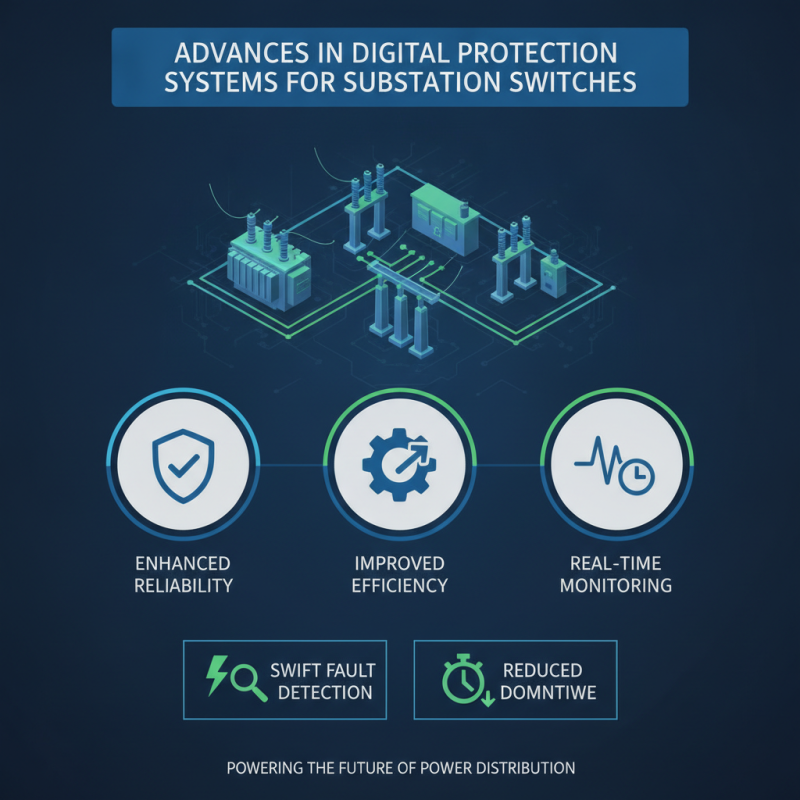
Advancements in Digital Protection Systems for Substation Switches
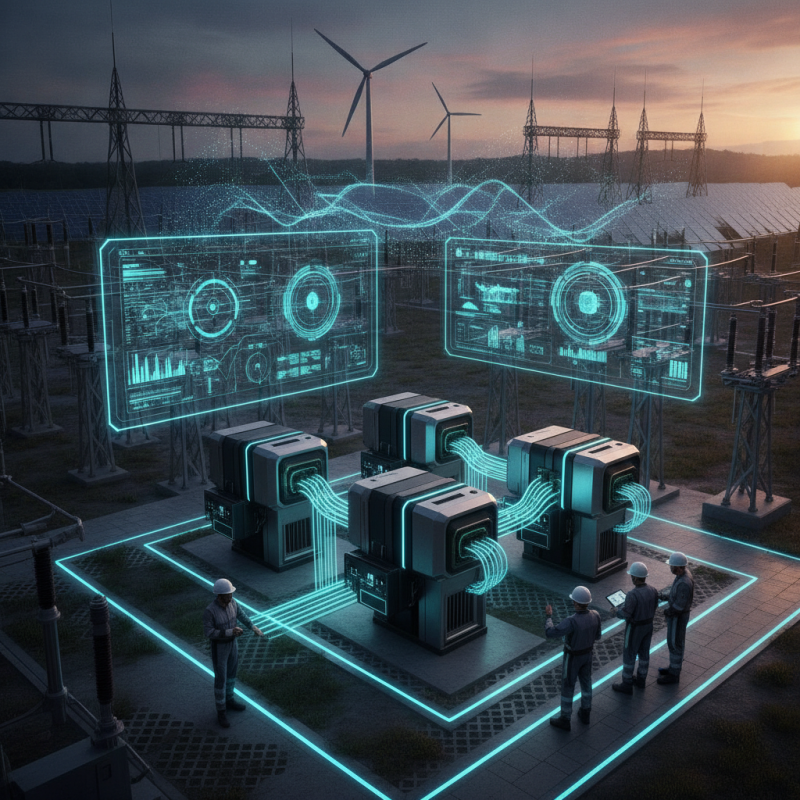
The role of digital protection systems in substation switches has evolved significantly. These advancements enhance reliability and efficiency in power distribution. Digital protection allows for real-time monitoring of electrical parameters. This capability helps in swiftly identifying faults, reducing downtime.
In 2026, trends indicate a shift towards integrating artificial intelligence in protection systems. AI can analyze patterns in power usage, predicting issues before they arise. Advanced algorithms enable quicker fault localization, which aids maintenance teams. However, implementing these technologies poses challenges, such as ensuring compatibility with existing infrastructure.
Moreover, cybersecurity risks are a growing concern. As systems become more interconnected, threats to data integrity increase. It's crucial for operators to invest in robust security measures. Reflecting on these advancements, stakeholders must balance innovation with reliability. Future success hinges on adapting to new technologies while addressing potential vulnerabilities.
Market Analysis: Growth Projections for Substation Switch Innovations Through 2026
The substation switch market is experiencing significant growth as innovations emerge. Key trends indicate a shift towards smart switches. These devices enhance monitoring and control capabilities, ensuring efficient power management. The integration of IoT technology allows real-time data analysis and improved decision-making.
Market projections suggest that by 2026, the demand for advanced substation switches will rise considerably. Utilities are investing in these technologies to enhance grid reliability. However, the transition may face challenges. Budget constraints and outdated infrastructure can limit adoption.
Moreover, environmental sustainability is becoming a focal point. Future innovations are likely to prioritize energy efficiency and eco-friendly materials. This shift requires careful planning and adjustment by utility companies. Balancing innovation with practicality is essential for long-term success. As the market evolves, ongoing research and development will play a crucial role in shaping the future of substation switches.



 Send Email
 Phone
Phone whatsapp
 Wechat
 Whatsapp