Why Are Insulators Essential in Electrical Engineering?
Insulators play a crucial role in electrical engineering. Their primary function is to prevent the unwanted flow of electricity. Without insulators, our electrical systems would be inefficient and dangerous.
These materials help maintain safety. They protect us from electric shocks and ensure proper functioning of devices. In homes and industries, insulators are used extensively. They guard wires and cables, ensuring energy travels where it's needed.
However, the choice of insulators isn’t always straightforward. Factors like temperature and voltage must be considered. Engineers often face challenges selecting the right insulator. A wrong choice can lead to system failure. Understanding insulators' properties is essential for reliable electrical designs.
Definition and Types of Insulators in Electrical Engineering
Insulators play a crucial role in electrical engineering. They prevent unwanted flow of electric current, ensuring safety and efficiency. Insulators are typically made from materials like rubber, glass, or ceramics. These materials resist electrical conductivity, making them ideal for various applications in power systems.
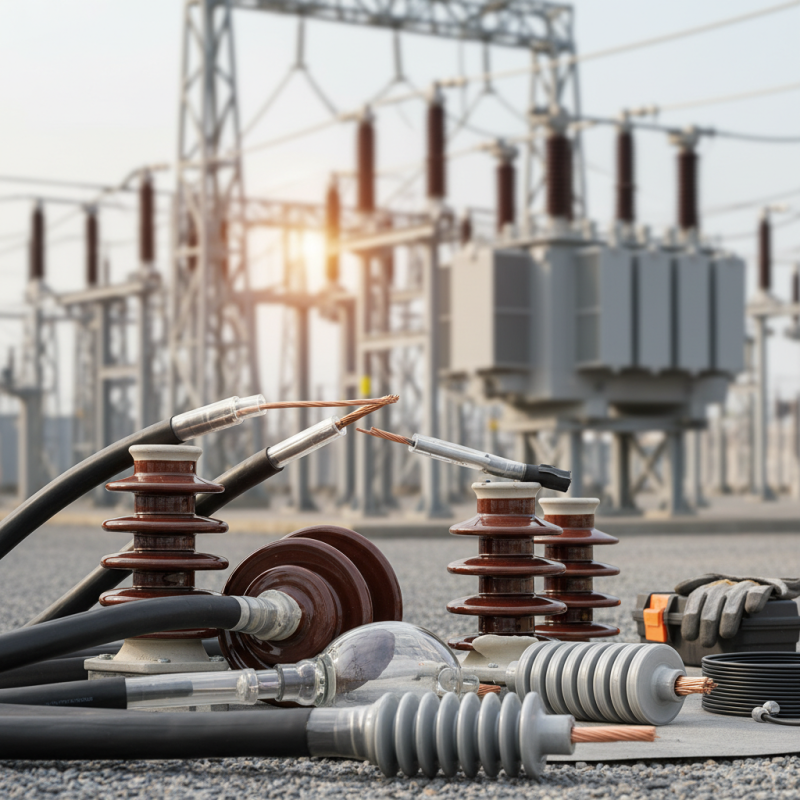
There are different types of insulators used in electrical engineering. For instance, transmission line insulators are designed to support overhead lines. They help maintain the necessary clearance from the ground. Disruptions in their performance can lead to catastrophic failures. Similarly, bushings insulate electrical conductors in substations and transformers. Their proper function is vital in preventing short circuits.
Another essential type is rail insulators, which keep electrical currents from affecting the track system. They help in maintaining signal integrity. However, these insulators can degrade over time due to environmental exposure. Regular inspection and maintenance are necessary to ensure their effectiveness. Every engineer knows that compromised insulators can lead to severe consequences, raising a need for vigilance in their design and application.
Role of Insulators in Preventing Electrical Leakage and Short Circuits
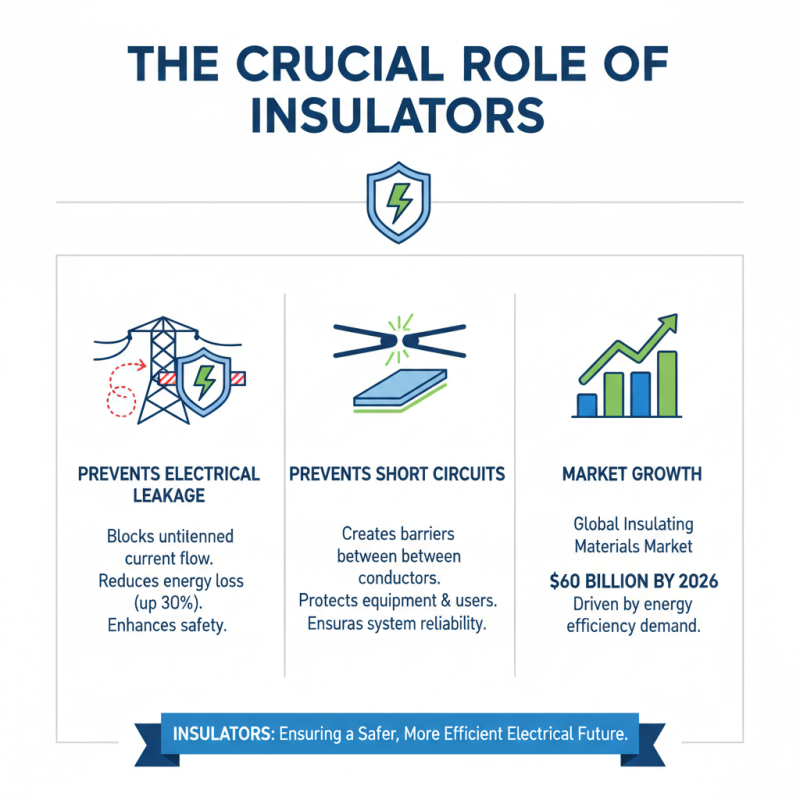
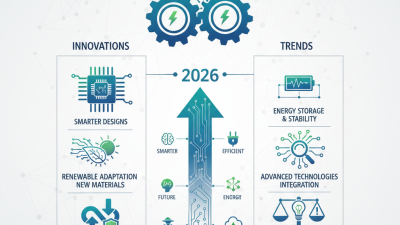
Insulators play a crucial role in electrical systems, primarily by preventing electrical leakage and short circuits. The demand for energy-efficient solutions has increased significantly, with the global insulating materials market projected to reach $60 billion by 2026, according to industry reports. Insulators create barriers that restrict the flow of electricity, ensuring safety for both users and equipment. Without appropriate insulators, energy loss can occur, leading to substantial costs—up to 30% of electrical energy can be lost through poor insulation.
Electrical leakage jeopardizes not only the performance of devices but also their lifespan. This can lead to potential hazards such as fires or equipment damage. For example, in high-voltage systems, even minor insulation failure can result in short circuits, which may have disastrous consequences. The effectiveness of insulators varies widely, so maintaining quality and integrity is vital. Regular inspections can prevent catastrophic failures.
**Tip:** Regularly examine insulators for cracks or damages. Small issues can often escalate into serious problems. Also, consider upgrading older insulation to materials that meet current safety standards.
In addition, environmental factors influence insulator performance. For instance, moisture and temperature variances can weaken insulation properties. Data shows that a 10% increase in environmental humidity could worsen insulation effectiveness by up to 50% in extreme cases. Continuous monitoring of insulator conditions is essential to mitigate risks.
Impact of Insulators on Performance and Safety of Electrical Systems
Insulators play a crucial role in ensuring safe and efficient electrical systems. They prevent unwanted electrical conduction, which can lead to short circuits or equipment damage. By ensuring proper insulation, they help maintain system integrity. The quality of insulators directly impacts how well electrical systems perform under various conditions.
In high-voltage applications, insulators must withstand significant stress. Poorly designed or damaged insulators can lead to failures. This compromises safety and increases risks for personnel and equipment. Regular inspections and proper maintenance are essential to identify potential issues early. Neglecting these factors can result in serious accidents or unexpected downtime.
Moreover, insulators influence energy efficiency. Effective insulation reduces energy loss, ensuring that more power reaches its destination. This is vital as energy costs rise and sustainability becomes a priority. Engineers must focus on selecting the right materials and designs. Balancing cost and performance remains a challenge. The right choices can significantly enhance system reliability and longevity.
Materials and Properties of Effective Electrical Insulators
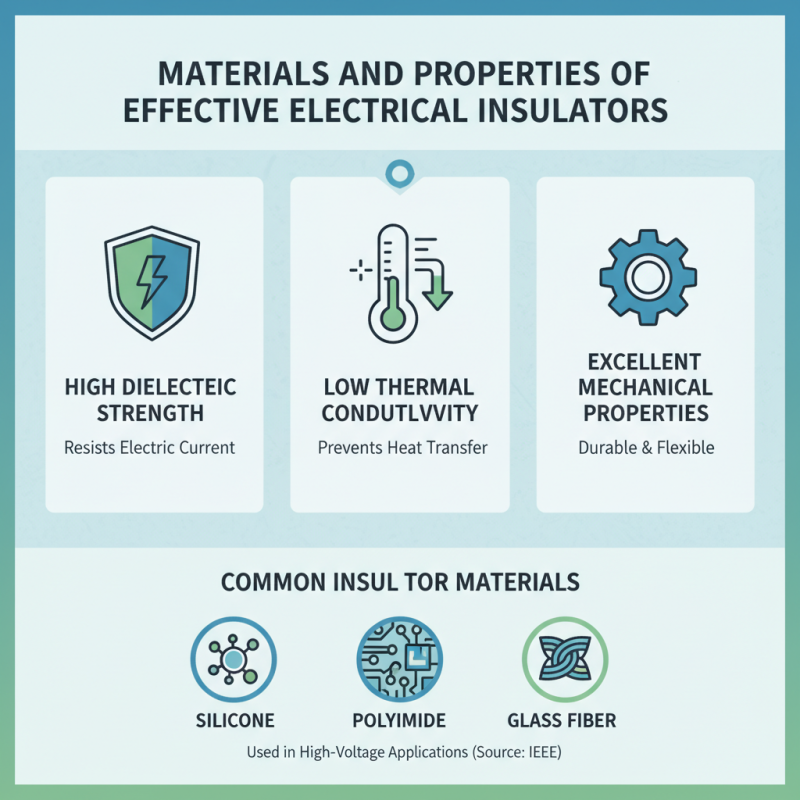
Electrical insulators play a crucial role in ensuring the safety and efficiency of electrical systems. Their ability to resist electric current is vital for preventing short circuits and equipment failures. Effective insulators exhibit high dielectric strength, low thermal conductivity, and excellent mechanical properties. For instance, according to the International Electrical and Electronics Engineers (IEEE), materials like silicone, polyimide, and glass fiber are increasingly used in high-voltage applications due to their superior insulating properties.
The performance of insulators significantly depends on their material composition. Materials with high resistivity, like ceramics and plastics, prevent unintentional current flow. Reports indicate that the electrical performance of insulators can degrade under certain conditions, like exposure to moisture or pollution. This vulnerability can lead to unexpected failures. To address this, ongoing research focuses on developing advanced composites that enhance durability and reliability. These innovations could potentially reduce maintenance costs significantly.
A notable challenge remains in identifying the optimal balance between cost and performance when selecting insulating materials. While some high-performance insulators may offer exceptional properties, they often come with a hefty price tag. Industry data suggests that the long-term benefits can outweigh initial costs. This perspective requires careful consideration to ensure reliability in various applications, from power transmission to consumer electronics.
Applications of Insulators in Various Electrical Infrastructure Systems
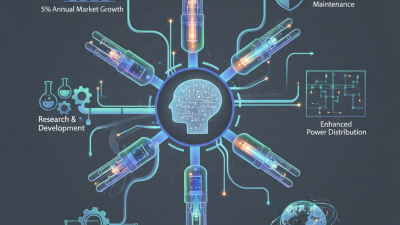
Insulators play a crucial role in electrical infrastructure systems. They prevent the unintentional flow of electricity, protecting both equipment and personnel. According to a report from the International Energy Agency (IEA), electrical insulation demand is expected to grow by 5% annually. This growth is driven by advancements in renewable energy sources, which require reliable insulation materials.
In transmission and distribution systems, insulators are vital for maintaining safety and efficiency. For instance, ceramic and polymer insulators are commonly used in high-voltage power lines. They withstand extreme weather conditions while ensuring minimal energy loss. A study by the Electric Power Research Institute indicates that using high-quality insulators can reduce maintenance costs by up to 30%.
The role of insulators extends to energy-efficient buildings as well. They are essential in HVAC systems to minimize heat loss. Insulating materials lead to lower energy consumption, contributing to environmental sustainability. Despite advancements, challenges remain in ensuring that all installations meet safety standards. Rigorous testing and innovation in materials are necessary to address potential failure points.


 Send Email
 Phone
Phone whatsapp
 Wechat
 Whatsapp