Top Power Distribution Transformer Types for Efficient Energy Management?
In today’s energy landscape, efficient management is vital. The role of the Power Distribution Transformer is crucial in this endeavor. It ensures the delivery of electricity while minimizing losses. Various types of transformers are available, each with unique benefits.
Selecting the right Power Distribution Transformer can significantly enhance energy efficiency. Different types cater to specific needs in urban areas and industrial settings. The effectiveness of these transformers often depends on their design and technology. Yet, not all transformers are equal. Some may perform well in certain conditions but underperform in others.
As we explore the top Power Distribution Transformer types, it is essential to consider their features and applications. Each type presents challenges and opportunities. By understanding these nuances, stakeholders can make informed decisions that promote efficiency and sustainability. This article aims to shed light on the complexities of transformer selection and its impact on energy management.
Top Power Distribution Transformers: An Overview of Types and Benefits
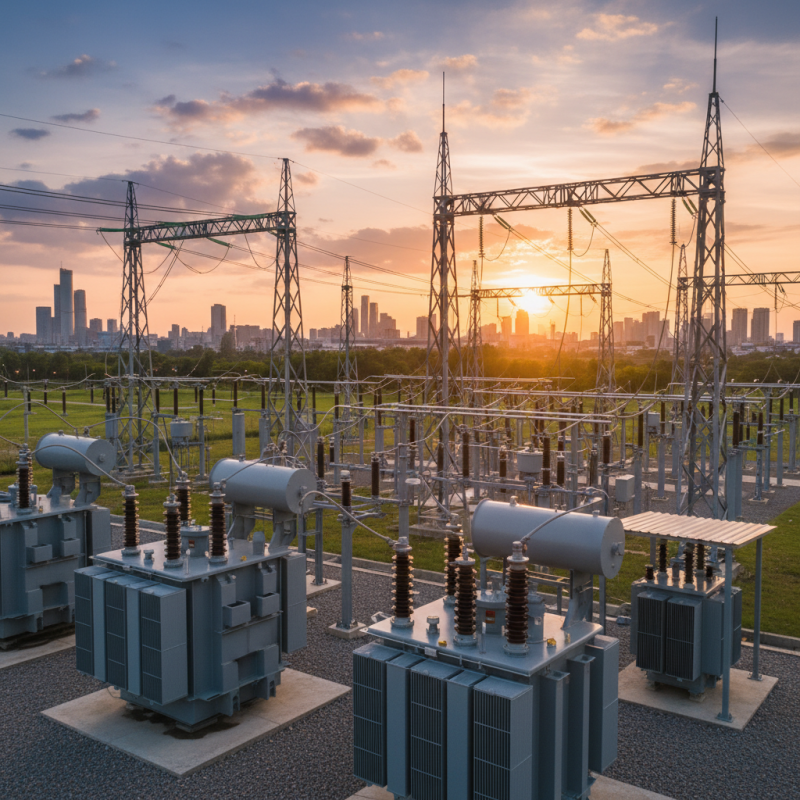
Power distribution transformers play a crucial role in energy management. Understanding the various types is essential for efficient operation. Among them, there are oil-filled, dry-type, and even pad-mounted transformers. Each type has unique benefits that cater to different needs.
Oil-filled transformers are common in utilities for their high capacity and durability. However, they require careful monitoring due to environmental concerns.
On the other hand, dry-type transformers are favored in commercial settings. They have lower maintenance needs and are safer since they do not use oil. Their compact designs allow for installation in limited spaces. Yet, they may not always handle high power loads as effectively as oil-filled units. The pad-mounted transformers add flexibility to installations, often located outdoors, which can be cost-effective but require additional safety considerations.
Despite their advantages, it's important to reflect on challenges. For instance, integrating different transformer types may lead to complexities. Determining the right choice involves assessing specific energy needs and environmental factors. There isn’t a one-size-fits-all solution. Each situation demands careful thought and understanding of the potential trade-offs.
Key Features of Oil-Filled Transformers and Their Efficiency Ratings
Oil-filled transformers are a popular choice for power distribution due to their high efficiency and reliability. These transformers use oil as both insulation and coolant. The oil helps dissipate heat, maintaining optimal operating temperatures. This design leads to higher efficiency ratings compared to dry-type transformers. According to a report by the International Energy Agency (IEA), oil-filled transformers can achieve efficiency levels of up to 99%, making them an excellent option for energy management.
A notable feature of oil-filled transformers is their ability to handle large loads. They can effectively manage fluctuations in energy demand. This capability is critical for industrial applications where stability is essential. Moreover, the oil's dielectric properties enhance insulation, reducing the risk of faults. The downside, however, is maintenance. Regular checks are necessary to prevent leaks and monitor oil quality. Neglecting this can lead to costly failures.
Efficiency ratings also translate into lower operating costs over time. Studies suggest that users can experience up to 20% savings on energy bills with properly maintained oil-filled systems. It's important to evaluate the total cost of ownership, beyond the initial investment. In some cases, switching from other types may not yield immediate benefits. Hence, organizations should conduct thorough assessments before making changes.
Top Power Distribution Transformer Types for Efficient Energy Management
| Transformer Type |
Key Features |
Efficiency Rating (%) |
Applications |
| Oil-Filled Transformer |
High insulation, effective cooling, longer life |
95 - 99 |
Industrial, Utility |
| Dry-Type Transformer |
No maintenance, less fire risk, eco-friendly |
90 - 97 |
Commercial, Indoor Applications |
| Cast Resin Transformer |
High reliability, moisture-resistant, low maintenance |
97 - 99 |
Renewable Energy, High-Rise Buildings |
| Autotransformer |
Smaller size, cost-effective, lower copper losses |
93 - 98 |
Railways, Power Generation |
| Step-Up Transformer |
Increases voltage, enhances transmission efficiency |
94 - 98 |
Power Plants, Wind Farms |
Understanding the Advantages of Dry-Type Transformers in Urban Areas
Dry-type transformers offer a unique solution for energy management in urban environments. They are encased in a solid insulation system, eliminating the risks of oil leaks. This feature is crucial in densely populated areas, where safety is a top concern. Dry-type transformers provide reliable performance without the environmental hazards associated with traditional oil-filled units.
One significant advantage of dry-type transformers is their compact design. They occupy less space than their oil-filled counterparts, making them ideal for urban settings where space is limited. Furthermore, they require less maintenance, leading to reduced operational costs. However, they do have lower energy efficiency under certain loads, which can be a drawback in specific applications.
Noise levels are another factor. Dry-type transformers tend to be quieter, which is beneficial in residential areas. But their installation can be more complex. Careful consideration must be given to their placement to ensure optimal operation. It’s vital to weigh these factors when choosing the right transformer for urban energy needs.
Top Power Distribution Transformer Types for Efficient Energy Management
Understanding the advantages of different transformer types is crucial for efficient energy management in urban areas. This chart illustrates the energy efficiency of various transformer types, highlighting how dry-type transformers lead the way with a 95% efficiency rating.
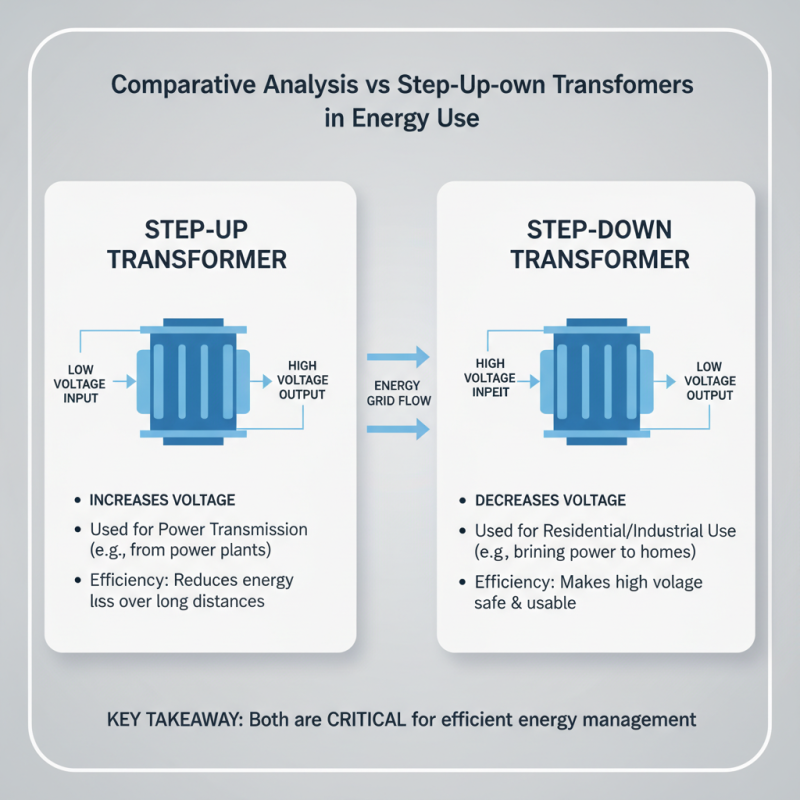
Comparative Analysis of Step-Up vs. Step-Down Transformers in Energy Use
Step-up and step-down transformers are critical components in energy management. Their roles vary significantly in different setups. A step-up transformer increases voltage, while a step-down transformer decreases it. This distinction directly influences energy consumption and efficiency.
According to the U.S. Department of Energy, improper transformer selection can lead to energy losses of up to 30%. In industrial applications, large-scale transformation often emphasizes step-up transformers. This enhances transmission efficiency over long distances. However, it's essential to note that higher voltage levels can lead to insulation issues, which may prompt unexpected maintenance.
In contrast, step-down transformers are often used in residential settings. They adjust voltage levels for safe usage. While this is crucial for safety, power losses can also occur. The efficiency of these transformers can vary. Studies show that older, outdated models lose more energy compared to newer designs. Regular assessments are needed to identify inefficiencies. Keeping transformers updated enhances energy management practices significantly, but many facilities overlook this critical aspect.
Future Trends: Smart Transformers and Their Role in Energy Management
The future of energy management is leaning towards smart transformers. These advanced devices play a pivotal role in optimizing power distribution systems. According to a recent market report, the smart transformer market is projected to grow to $7.8 billion by 2025. This growth reflects a rising demand for efficient energy use.
Smart transformers integrate digital technology, allowing for real-time monitoring and control of energy flow. They reduce energy losses and enhance grid stability. Data shows that traditional transformers can lose up to 10% of energy as heat. Smart technology significantly lowers these losses, improving overall efficiency.
However, challenges remain in implementing smart transformers across networks. Aging infrastructure can hinder progress. Organizations must invest in training and technology upgrades to fully realize the benefits of smart transformers. Commitment to this transition is essential for sustainable energy management. The path may not be straightforward, but the potential rewards are substantial.





 Send Email
 Phone
Phone whatsapp
 Wechat
 Whatsapp