2026 How to Choose the Right LV Fittings for Your Needs?
Choosing the right LV fittings is crucial for any electrical project. These fittings should meet your specific needs and standards. Understanding various types is essential for optimal performance.
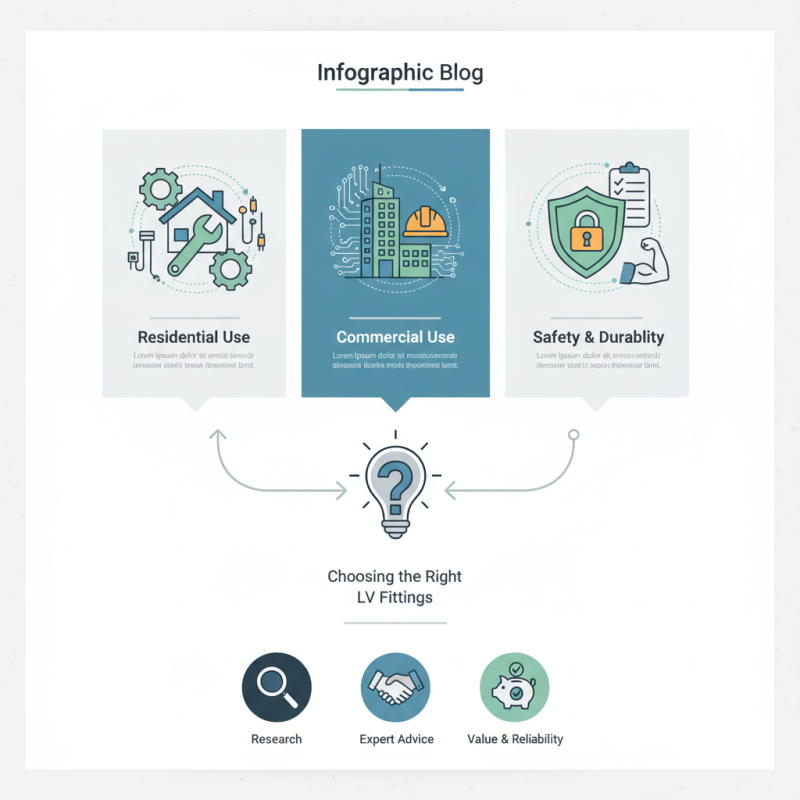
Every project requires a careful assessment of the space and purpose. For example, residential and commercial applications have different requirements. You must consider factors like safety, durability, and compatibility with existing systems. LV fittings come in various designs, materials, and functionalities, making the choice challenging.
Furthermore, the available options may lead to confusion. Many brands claim superiority, but not all live up to the promise. Often, it's easy to overlook essential details. You may find yourself questioning the quality versus the price. Therefore, conducting thorough research is vital. Seek advice from experts who understand the industry. Reliability and trust are paramount when investing in LV fittings.
Understanding LV Fittings: Key Definitions and Concepts
When choosing low voltage (LV) fittings, a clear understanding of key definitions is paramount. LV fittings are electrical components designed to operate at low voltage levels. This often includes items like cables, connectors, and circuit breakers. Each component plays a pivotal role in ensuring safety and efficiency in installations.
Consider the specifications of the fittings you need. For example, the ampacity or current-carrying capacity of a cable is crucial. Choosing a cable with insufficient ampacity can lead to overheating and failure. Additionally, insulation types vary and must fit your environmental conditions. Inadequate protection can result in short circuits or fires. It’s essential to assess your installation area before making selections.
Understanding terminology is not just about definitions. It's also about application and relevance. Often, professionals overlook the importance of compatibility between fittings. An incompatible fitting can compromise the entire system's performance. This reflection can lead to costly mistakes. Take the time to consult with knowledgeable sources or guidelines. Make informed decisions that prioritize safety and functionality over convenience.
2026 How to Choose the Right LV Fittings for Your Needs?
| Type of LV Fitting |
Applications |
Material |
Current Rating (A) |
Voltage Rating (V) |
| Connector |
Electrical connections for appliances |
Copper |
20 |
230 |
| Switch |
Control circuits |
Plastic/Metal |
16 |
250 |
| Breakers |
Overcurrent protection |
Thermoplastic |
63 |
400 |
| Fuses |
Circuit protection |
Glass/Plastic |
32 |
250 |
| Distribution Board |
Distributing electrical power |
Metal |
125 |
400 |
Identifying Your Specific Needs and Applications for LV Fittings
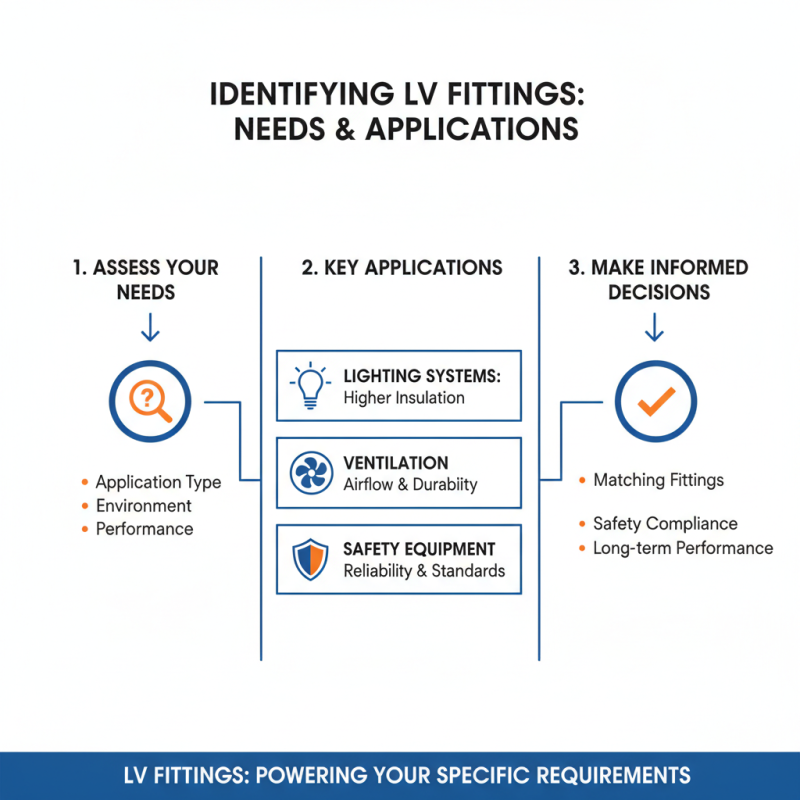
When selecting low voltage (LV) fittings, understanding your specific needs is crucial. Consider the application where these fittings will be used. Lighting systems, ventilation, or safety equipment all have unique requirements. For example, lighting fittings may need higher insulation ratings compared to those used in general power distribution. Evaluating where and how these fittings will perform helps in making informed decisions.
Energy efficiency is another important factor. Review the wattage and energy consumption of potential LV fittings. Some may require more energy, impacting your utility bills. Moreover, compatibility with existing systems should not be overlooked. Choosing fittings that integrate well with your current electrical infrastructure can prevent costly modifications.
It is also valuable to consider safety standards. LV fittings must comply with local regulations. However, not all products meet these standards equally. Checking certifications can be time-consuming but necessary. This ensures reliability and long-term performance. Lastly, reflect on potential future upgrades. Opting for versatile fittings allows room for adaptation as your needs evolve. Don't rush the selection process; take the time to weigh all options thoroughly.
Evaluating the Different Types of LV Fittings Available
When choosing the right LV fittings, it's essential to evaluate the available options. Different types of LV fittings serve varied purposes. Some fittings focus on connection stability, while others emphasize safety and insulation. Prioritize your specific needs when considering these aspects.
Tips: Always check the material quality. High-quality materials enhance durability and performance. Ensure that the fittings are compatible with your system specifications. Conduct research to understand the features or limitations of different fittings.
Moreover, size and configuration play critical roles. Assess the space where the fittings will be installed. An ill-fitting component can lead to unforeseen issues. Be mindful of the installation process, as improper fitting might compromise safety.
Tips: Consult with professionals if uncertain. Their expertise can provide valuable insights into suitable selections. Take your time in decision-making. Rushing can result in costly mistakes or replacements later on.
Factors to Consider: Material, Size, and Compatibility
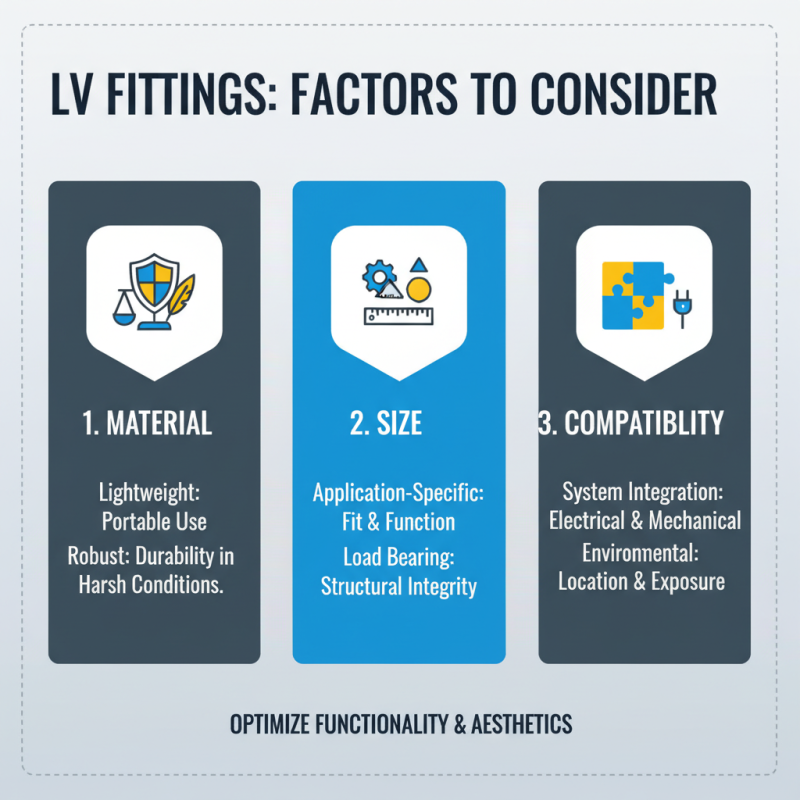
Choosing the right LV fittings is crucial for both functionality and aesthetics. Material plays a significant role in this decision. For instance, lightweight materials are great for portable applications, while robust options offer durability in harsh conditions. Think about where and how you will use these fittings.
Size matters as well. An improperly sized fitting can lead to inefficiency. It may not fit perfectly, affecting performance. Ensure you measure accurately and consider the spacing in your project. Many overlook this step, resulting in frustrating adjustments later.
Compatibility cannot be ignored. Not all fittings work seamlessly with every system. Checking compatibility avoids unnecessary trouble during installation. Sometimes, this requires extra research. This may slow down your project, but it ensures long-term success. Reflecting on past experiences can guide your choices. Mistakes can lead to valuable lessons in fitting selection.
Best Practices for Installation and Maintenance of LV Fittings
When installing low-voltage (LV) fittings, proper practices are crucial. Data from industry reports indicate that improper installation can lead to a 30% increase in maintenance costs. Begin by ensuring all components meet the necessary standards. Always consult technical specifications before proceeding. This ensures that you choose fittings tailored to your specific electrical needs.
Regular maintenance is just as vital as installation. A survey showed that 40% of failures in LV systems arise from neglecting periodic inspections. Check for loose connections and signs of wear. These inspections should occur at least quarterly. Keeping records of these inspections can provide valuable insights into the system's performance over time.
Overall, approach both installation and maintenance with care. No process is foolproof. Identify common issues and learn from them. A proactive approach not only extends the lifespan of your fittings but also enhances safety. The goal should always be to minimize risks while maximizing efficiency.
2026 How to Choose the Right LV Fittings for Your Needs?
This chart illustrates the importance rating of various factors when selecting low voltage (LV) fittings. The factors include Safety, Compatibility, Cost, Durability, Ease of Installation, and Maintenance Requirements, rated on a scale from 1 to 10.






 Send Email
 Phone
Phone whatsapp
 Wechat
 Whatsapp