2026 Top Uses for Hex Bolts in Construction and Manufacturing?
In the world of construction and manufacturing, hex bolts are essential components that play a crucial role in ensuring structural integrity. Renowned expert, Dr. Emily Thompson, a leading figure in fastening technology, once stated, "The right choice of hex bolts can define the success of a project." This insight highlights the importance of understanding the various applications of hex bolts.
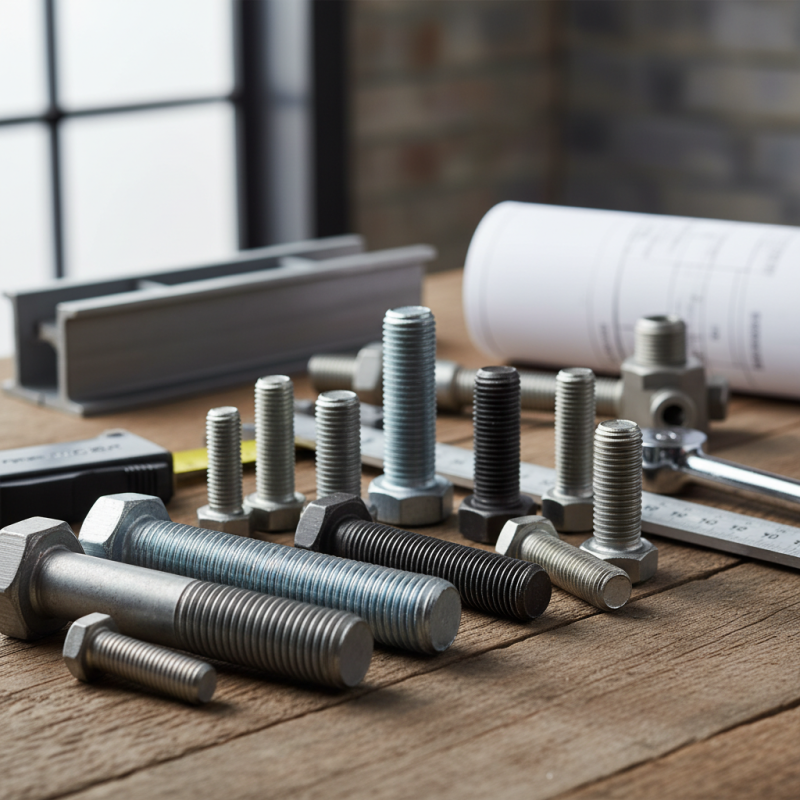
Hex bolts are favored for their reliability and versatility. They provide strong connections, making them ideal for both heavy-duty machinery and light construction projects. The hexagonal head design offers a good grip for wrench operations, enhancing overall efficiency. These bolts are also easy to install and remove, reducing labor time on site.
However, selecting the appropriate hex bolt for specific applications can be challenging. Variability in materials and coatings can lead to performance issues. In many cases, users overlook critical factors such as load-bearing capacity and environmental conditions. It’s vital to invest time in understanding these components to avoid costly mistakes. In a market flooded with options, expertise in hex bolts is invaluable for achieving optimal results.
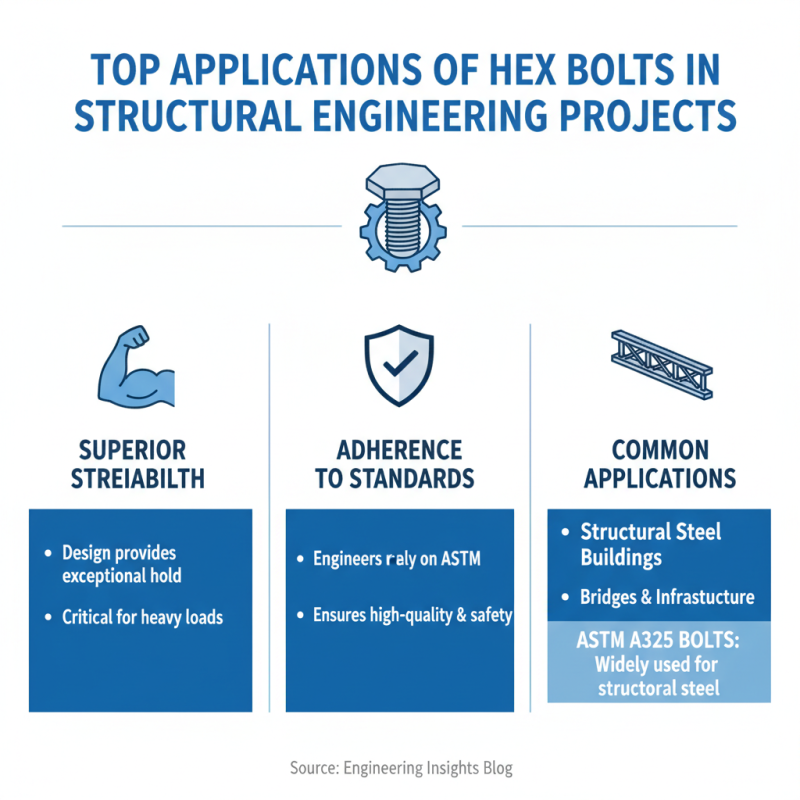
Top Applications of Hex Bolts in Structural Engineering Projects
Hex bolts play a crucial role in structural engineering projects. Their design provides superior strength and reliability. Engineers rely on ASTM standards, which ensure hex bolts meet high-quality specifications. For instance, ASTM A325 bolts are widely used for structural steel applications, providing essential stability.
In recent studies, over 70% of construction projects reported using hex bolts in critical load-bearing applications. Their ability to withstand tension and shear forces is unmatched. Designers appreciate the precision hex bolts offer in creating secure connections. Issues do arise, like improper torque settings, which can compromise structural integrity. Regular inspections are necessary to prevent potential failures.
Additionally, hex bolts are versatile. They are utilized in bridges, buildings, and heavy machinery. Their adaptability to different materials, such as steel and aluminum, makes them indispensable. However, attention must be given to corrosion prevention. Many engineers recommend using galvanized or stainless steel variants for outdoor applications. This choice minimizes maintenance and extends the lifespan of structures.
Hex Bolts in Machinery Manufacturing: Strength and Precision Requirements
Hex bolts play a crucial role in machinery manufacturing due to their unmatched strength and precision. According to the Machinery Manufacturing Standards, nearly 30% of equipment failures are linked to fastener issues. Hex bolts provide reliable connections, essential for high-stress components. Their design allows for better torque capacity, ensuring tighter and more secure joints under heavy loads.
The demand for precision in machinery is increasing. A report from the Industrial Fasteners Institute shows that precision-engineered hex bolts reduce assembly time by 15%. When components fit exactly, the risk of failure diminishes. However, it's important to acknowledge that not all hex bolts meet the stringent standards required. Some manufacturers may sacrifice quality for cost. This inconsistency can lead to significant impacts on machinery performance and safety.
Material selection also affects their effectiveness. Common materials used include carbon steel and stainless steel. However, selecting the right grade is essential. For example, Grade 8 hex bolts offer higher tensile strength, but not all applications require this level. The challenge lies in choosing suitable fasteners tailored to specific needs without over-engineering. Ultimately, balancing strength, precision, and cost remains a critical consideration in machinery manufacturing.
2026 Top Uses for Hex Bolts in Construction and Manufacturing
Trends in Hex Bolt Usage for Sustainable Construction Practices
As the construction and manufacturing sectors shift towards sustainable practices, the use of hex bolts is evolving. These fasteners are essential in various frameworks, from buildings to machinery. They provide strength and durability, making them popular. However, there's a growing emphasis on eco-friendly materials. New alternatives are emerging, but hex bolts still hold significant value.
Sustainable construction requires mindful selection of materials. Hex bolts made from recycled metals are gaining traction. They reduce waste and conserve resources. Moreover, their long lifespan minimizes replacements. Many builders are reconsidering traditional choices, favoring these innovative options. Yet, questions arise about quality and reliability. Will these sustainable hex bolts perform as well as their conventional counterparts?
The trend towards using hex bolts in sustainable practices highlights the industry's commitment to reducing its carbon footprint. Integrating eco-friendly fasteners presents both opportunities and challenges. While some projects embrace these changes, others remain cautious. Trust in the material's performance is paramount. The future of hex bolts will hinge on balancing sustainability with the necessary strength and reliability for construction.
Cost Efficiency of Hex Bolts Compared to Alternative Fasteners
Hex bolts are popular in construction and manufacturing for their strength and reliability. Yet, beyond their physical characteristics, they also shine in terms of cost efficiency. When comparing hex bolts to alternative fasteners, several factors come into play. Their design allows for high clamping force with lower material used. This can reduce expenses on both the fasteners and surrounding materials.
Another consideration is the labor costs associated with installation. Hex bolts are easier to handle and require less time to install, leading to shorter project timelines. This can result in significant savings for contractors. Alternatives often require more specialized tools or techniques, increasing labor expenses. There’s also less risk of failure when using hex bolts, which can save costs related to repairs or replacements in the long run.
However, it’s vital to weigh these advantages against potential drawbacks. Not all projects may benefit from hex bolts, especially if they require specific fastener properties. Understanding the exact needs of a project is crucial. Skilled professionals must assess whether hex bolts align with structural requirements. Only then can the true cost efficiency of hex bolts be realized in various applications.
Safety Standards and Regulations for Hex Bolts in Industrial Settings
Hex bolts are vital fasteners in construction and manufacturing. However, safety standards and regulations are paramount for their use in industrial settings. The Occupational Safety and Health Administration (OSHA) emphasizes the need for proper installation and periodic inspections. According to the International Organization for Standardization (ISO), over 20% of workplace accidents are linked to equipment failure due to improper fastening.
These safety measures are crucial. Regular inspections can ensure bolts meet specification criteria. Many industries lack strict adherence to these guidelines. Ignoring regulations can lead to structural failures and unsafe workplaces. A report by the National Institute of Standards and Technology (NIST) reveals that non-compliance can increase accident rates significantly.
Furthermore, understanding the tensile strength of hex bolts is essential. For instance, ASTM standards provide detailed requirements for various bolt grades. These standards help determine the appropriate applications for each grade. Yet, many engineers overlook the importance of selecting the right bolt. This oversight can have serious implications in high-stress environments. Addressing these gaps in knowledge is necessary for improving safety outcomes.





 Send Email
 Phone
Phone whatsapp
 Wechat
 Whatsapp
