Top Stay Fittings Types for Secure Structural Support and Stability?
Stay fittings play a crucial role in enhancing the stability and support of various structures. These essential components help secure cables and other structural elements, ensuring safety and balance. Choosing the right stay fittings can significantly improve the durability of infrastructures like bridges and towers.
Understanding the types of stay fittings available is key for engineers and designers. Each type has unique advantages and specific applications. Proper selection requires careful consideration of load capacities and environmental factors. Inadequate choices may lead to failures, highlighting the importance of expertise in this area.
By incorporating stay fittings into design plans, designers can overcome challenges related to structural support. However, it is vital to continuously evaluate existing fittings. This practice guarantees ongoing reliability and safety. As materials and technologies improve, staying informed is essential for making the best choices in structural design.

Types of Stay Fittings for Structural Applications
When considering stay fittings for structural applications, the focus is on providing secure support and stability. Stay fittings play a vital role in various engineering projects, ensuring that structures can withstand lateral loads. According to a report by the International Association of Structural Engineers, over 70% of structural failures are linked to inadequate support systems. Proper selection of stay fittings is crucial for enhancing the integrity of structures.
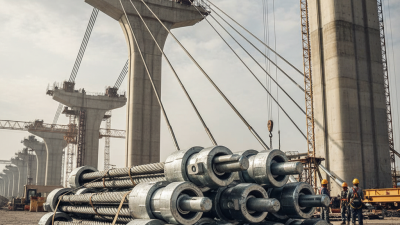
Common types of stay fittings include bracing cables, tension rods, and straps. Bracing cables are often used in bridges, allowing for flexibility while maintaining load-bearing capacity. Tension rods provide excellent resistance against buckling, making them ideal for tall structures. Straps, meanwhile, are used in both temporary and permanent applications. Their simplicity and effectiveness make them a popular choice among engineers.
**Tips:** Always choose fittings that meet or exceed load requirements. Regular inspections can prevent potential failures. Also, consider environmental factors that may affect the fittings, such as corrosion and fatigue over time. Staying informed on the latest engineering standards is essential for ensuring long-term reliability.
Top Stay Fittings Types for Secure Structural Support and Stability
Importance of Secure Structural Support in Engineering
Secure structural support is crucial in engineering. A stable framework ensures not only the safety of buildings but also the reliability of infrastructure. Engineers emphasize the need for robust fittings and connections. Utilizing the right stay fittings can lead to significant safety improvements.
In practice, the choice of stay fittings directly impacts a structure’s ability to withstand external forces. These forces can include wind, seismic activity, and even unexpected loads. By selecting appropriate fittings, engineers can enhance overall stability. However, not every fitting will meet the specific requirements of every project. Each situation demands careful analysis and customized solutions.
Moreover, mistakes in choosing or installing fittings can be costly. Engineers must be vigilant and thorough during the design and construction phases. Regular inspections and maintenance are essential to ensure ongoing stability. This proactive approach fosters a culture of reliability and trust in the engineering field. Understanding these nuances is vital for anyone involved in structural engineering.
Comparative Analysis of Stay Fitting Materials
When evaluating stay fitting materials, various factors must be considered.
Steel is a popular choice due to its high tensile strength.
It offers excellent support for structures that require durability. However, using steel comes with risks.
Corrosion can compromise structural integrity if not properly maintained.
Regular inspections and protective coatings are essential for prolonging its lifespan.
Another option is fiberglass. This composite material is lightweight and resistant to corrosion.
It holds up well in harsh environments. However, fiberglass may not provide the same level of strength as steel.
It can be less effective in heavy-load situations. Understanding the load requirements of the application is critical before making a decision.
Aluminum also has its place in stay fittings. It is lighter than steel, making it easier to handle.
Yet, aluminum has lower tensile strength.
This can lead to potential failures under stress. Each material carries its unique set of advantages and drawbacks,
posing questions about their reliability. Evaluating these materials requires careful consideration of specific project needs and environmental conditions.
Choosing the right fit ensures structural support and stability.
Installation Techniques for Enhanced Stability
When installing stay fittings, proper techniques are essential for enhanced stability. Begin by selecting the right materials. High-quality fittings provide better load distribution and reduce the risk of structural failure. It's vital to conduct thorough site assessments. Understanding soil conditions can influence the choice of fitting types. Concrete or sturdy ground may require different approaches compared to softer soil.
The installation process should involve precise measurements. Aligning fittings accurately ensures they function effectively. Consider using tools such as levels and plumb bobs for this purpose. Regular checks during the installation process can prevent issues later. Misalignment can lead to significant instability.
After installation, monitoring is crucial. Environmental changes may affect structural integrity over time. Regular inspections can reveal wear or damage early. However, many overlook this step, leading to bigger problems down the line. Documenting the condition of your fittings and surrounding areas provides valuable insights for future maintenance. Engaging with professionals for periodic evaluations can also enhance reliability.
Top Stay Fittings Types for Secure Structural Support and Stability
| Fitting Type |
Material |
Load Capacity (lbs) |
Installation Technique |
Applications |
| Turnbuckle |
Steel |
2000 |
Screw Adjustment |
Tensioning cables
Bracing structures |
| Clevis Pin |
Aluminum |
1500 |
Align and Secure |
Hanging supports
Pivot points |
| D-Ring |
Stainless Steel |
1000 |
Bolt Connection |
Load bearing
Tie-down points |
| Eyebolt |
Carbon Steel |
1200 |
Threaded Insert |
Suspending loads
Rigging |
| Anchor Plate |
Galvanized Steel |
2500 |
Welded Connection |
Foundation stability
Structural support |
Maintenance Practices for Long-Lasting Stay Fittings
Maintaining stay fittings is crucial for ensuring structural integrity. Regular inspections should focus on signs of wear. Corrosion can weaken fittings over time. Check for rust or unusual discoloration. Proper cleaning can help mitigate these risks. Use a soft brush and mild detergent to remove debris. Avoid harsh chemicals that may cause further damage.
Documentation of maintenance is important. Record inspection dates and any repairs made. This practice helps track performance over time. Additionally, scheduling routine checks can prevent major issues. If fittings are subjected to heavy loads, inspect more frequently. It’s easy to overlook these components, but their stability is vital.
New developments in materials can impact longevity. Traditional materials might not perform as well as modern alternatives. Research regularly to stay informed about advancements. This ongoing education can improve maintenance strategies. Reflect on the components you use. Are they serving their purpose effectively? Prioritize reliable methods to prolong the lifespan of your stay fittings.





 Send Email
 Phone
Phone whatsapp
 Wechat
 Whatsapp
