Top 10 Line Hardware Suppliers You Need to Know About?
In today's industrial landscape, selecting the right Line Hardware suppliers is crucial for project success. These suppliers provide essential components and materials that support various industries, from construction to manufacturing. Understanding the top players in this market can significantly influence your decision-making process.
Line Hardware encompasses a broad range of products. Each supplier brings unique expertise and capabilities. Some companies excel in providing innovative solutions, while others stand out for their reliability and customer service. It is essential to consider not only the quality of the products but also the supplier's reputation and experience. An informed choice can save time and resources.
However, it is vital to remain cautious. Not all suppliers guarantee consistent standards. Some may struggle with delays or inadequate customer support. Reflecting on their past performance can provide valuable insights. Your choice of a Line Hardware supplier can impact the entire project lifecycle; understanding these dynamics is key to successful partnerships.
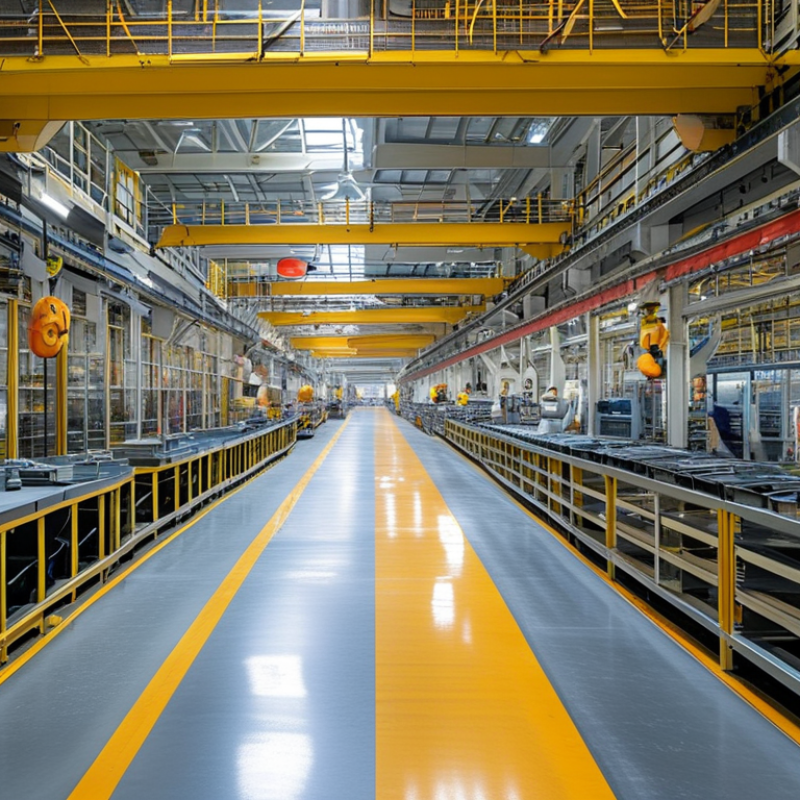
Overview of Line Hardware and Its Importance in Industry
Line hardware plays a crucial role in various industries, particularly in construction and engineering. It includes components like bolts, screws, and hangers that ensure structural integrity. A report from the Global Industry Analysts indicates that the line hardware market will reach $15 billion by 2026. This growth underscores its essential function in modern infrastructure.
The importance of line hardware is often underestimated. A single defective component can lead to costly failures. For instance, in 2022, nearly 10% of construction projects reported delays due to hardware issues. That’s a significant figure, revealing the interconnectedness of quality hardware and project timelines. Workers rely on these components daily, yet the focus on their integrity often lacks industry emphasis.
While there are standards and best practices, inconsistencies persist. Many suppliers do not adhere to the same quality control measures, leading to varied performance levels. It’s crucial for industry professionals to scrutinize specifications. A proactive approach to sourcing line hardware can prevent mishaps and contribute to overall project success.
Criteria for Evaluating Top Line Hardware Suppliers
When evaluating top line hardware suppliers, focus on reliability and quality. A supplier should have a proven track record of delivering durable and efficient products. Check their customer reviews and case studies. This reflects their real-world performance. Quality assurance processes are crucial. Suppliers should provide clear certifications for their products.
Consider the range of products offered. A good supplier should have various hardware options. This diversity helps you find solutions tailored to specific needs. Look for suppliers that keep up with innovations in the industry. They should be willing to adapt and offer the latest technology.
Tip: Start by assessing your own needs. What type of hardware do you require? This helps narrow down potential suppliers. Communication is key. Reach out and assess their responsiveness. A supplier who communicates well can save you time and frustration down the line. Evaluate their logistics too. Reliable delivery can make or break your project timelines.
Profile of the Top 10 Line Hardware Suppliers
When exploring the landscape of line hardware suppliers, a few key players emerge. The industry has been experiencing a steady growth rate of around 4% annually, indicating a robust demand for high-quality hardware. Reports show that manufacturers focusing on innovation are seeing greater success. It is noted that suppliers with a diverse product range often capture more market share.
Each supplier brings unique strengths. Some excel in delivering custom solutions tailored to specific industries, while others prioritize cost-effectiveness. Industry analysis suggests that suppliers which invest heavily in research and development tend to outperform their competitors. In fact, a survey revealed that nearly 70% of procurement officers favor suppliers who demonstrate innovation.
Reliability is paramount in selecting a supplier. Data indicates that companies sourcing hardware from trusted suppliers report fewer operational disruptions. Transparency in the supply chain has become a critical factor. Several suppliers still struggle with this aspect, which can undermine credibility. Addressing these gaps is essential for long-term relationships within the industry. As the market evolves, suppliers must adapt to emerging trends and customer expectations.
Innovative Technologies and Trends in Line Hardware Supply
In recent years, the line hardware supply industry has witnessed rapid advancements. Innovative technologies are shaping the way suppliers operate. Automation is becoming a key trend, streamlining processes and reducing errors. Many companies are now using advanced robotics for assembly and packaging. This not only improves efficiency but also enhances safety in work environments.
Sustainability is another crucial focus area. Suppliers are beginning to embrace eco-friendly materials and practices. This shift reflects growing consumer demand for greener products. Companies are investing in research to create sustainable line hardware solutions. However, the transition is not always smooth. Organizations face challenges in sourcing materials and adapting existing production lines.
The digital transformation in the industry cannot be overlooked. Supply chains are becoming more interconnected. Real-time data usage helps suppliers anticipate trends and adjust inventories. Despite these advancements, many firms still grapple with cybersecurity threats. Protecting sensitive data remains a significant concern. The journey towards innovation is ongoing, with lessons learned fueling future improvements.
Top 10 Line Hardware Suppliers Overview
This chart illustrates the monthly supply volume (in units) of the top 10 line hardware suppliers. The data showcases the distribution of supply across different suppliers, highlighting the variability and potential trends in the line hardware market.
Future Outlook for the Line Hardware Market and Suppliers
The line hardware market is evolving. Analysts predict a growth rate of 5.2% from 2023 to 2028. This growth is driven by increasing construction activities and infrastructure projects worldwide. Demand for durable and reliable hardware is rising in both residential and commercial sectors.
Sustainability is a major focus. Suppliers are exploring eco-friendly materials. Reports indicate that over 40% of companies are investing in green technologies. This shift may impact product pricing and sourcing strategies. Moreover, innovation in the supply chain is critical. Traditional methods may not meet the evolving demands.
Challenges remain. Supply chain disruptions from global events can hinder output. Companies must adapt quickly to changing conditions. More reliable forecasting methods are necessary. The landscape is filled with opportunities but requires a strategic approach to navigate potential pitfalls.
Top 10 Line Hardware Suppliers You Need to Know About
| Supplier Rank |
Country |
Market Share (%) |
Year Established |
Main Product Segments |
| 1 |
USA |
25% |
1985 |
Electrical Hardware, Fasteners |
| 2 |
Germany |
20% |
1990 |
Connectors, Mounting Solutions |
| 3 |
Japan |
15% |
2000 |
Hardware Tools, Assemblies |
| 4 |
China |
12% |
1995 |
Fasteners, Specialty Hardware |
| 5 |
India |
10% |
1980 |
Industrial Fasteners, Tools |
| 6 |
UK |
8% |
2005 |
Electrical Components, Mountings |
| 7 |
France |
7% |
1992 |
Precision Tools, Hardware |
| 8 |
Brazil |
5% |
2010 |
General Hardware, Fasteners |
| 9 |
Italy |
4% |
2008 |
Components, Assemblies |
| 10 |
Canada |
3% |
2015 |
Hardware Tools, Accessories |






 Send Email
 Phone
Phone whatsapp
 Wechat
 Whatsapp
