Top 10 Hex Bolts You Need for Your Next Project?
When embarking on your next project, selecting the right fasteners is crucial. Hex bolts play a pivotal role, offering strength and stability. According to John Smith, a leading expert in the fastener industry, “Quality hex bolts are the backbone of any strong structure.” This insight underscores the importance of choosing the best hex bolts for your needs.
Hex bolts come in various sizes and materials, each serving different applications. From construction to automotive, their versatility is unmatched. A well-chosen hex bolt enhances project durability and safety. However, not every hex bolt is equal. It's essential to assess the specifications for your particular project.
Many people overlook the differences in grade and finish. This decision can impact both performance and aesthetics. Experimenting with different options can lead to discoveries about what works best. Don't be afraid to reflect on previous choices and learn from them. This approach can help you select the top hex bolts for your needs.
Understanding Hex Bolts: Definition and Applications
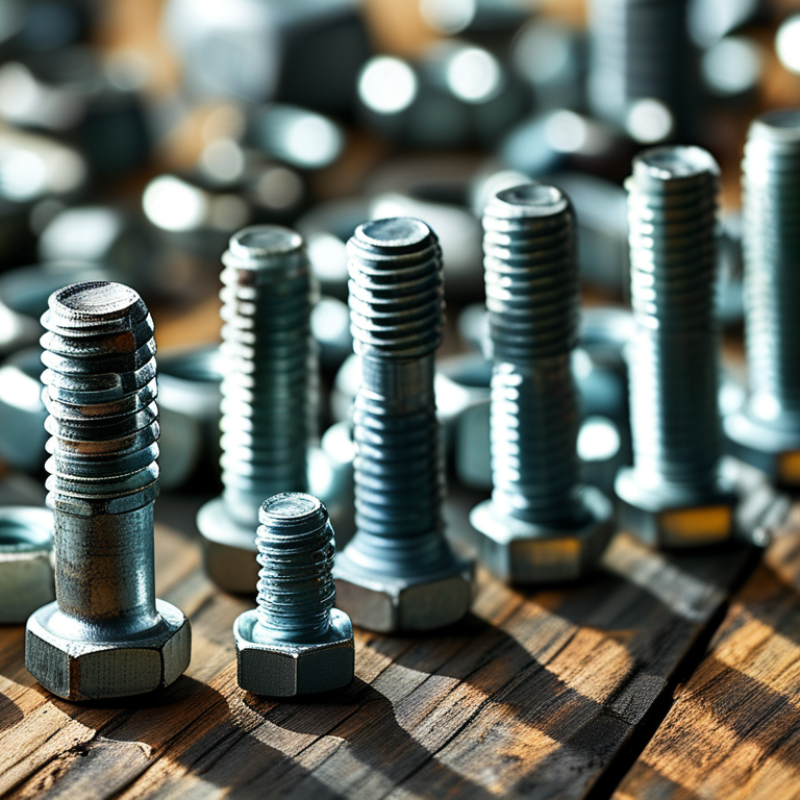
Hex bolts are essential fasteners in various applications. They feature a hexagonal head and a threaded shaft. This design allows for easy gripping with a wrench, providing a secure hold. Hex bolts are widely used in construction, machinery, and automotive sectors. Their strength and durability make them suitable for both indoor and outdoor projects.
When selecting hex bolts, consider the material and coating. Common materials are steel, stainless steel, and alloy steel. Each has its strengths. Stainless steel bolts resist corrosion but may be more expensive. On the flip side, carbon steel is strong but can rust if not coated. It's crucial to reflect on the specific needs of your project to choose the right type.
Using hex bolts effectively requires proper installation techniques. Over-tightening can lead to stripping, while under-tightening may result in structural failures. Pay attention to torque specifications for optimal performance. Regular inspection is also vital, as fatigue can develop over time, affecting the bolt’s reliability.
Types of Hex Bolts: A Breakdown of Common Varieties
Hex bolts come in various types, each designed for specific applications. The most common variety is the standard hex bolt, which features a six-sided head. These bolts are versatile and widely used in construction and automotive projects. They typically come in different grades, such as Grade 2, Grade 5, and Grade 8, which determine their strength and hardness.
Another category is the flange hex bolt. It has a built-in flange, which helps distribute the load and reduce the need for a separate washer. This type can be useful in areas where space is limited. On the other hand, there are also hex lag bolts. These heavy-duty fasteners are crucial for securing lumber and heavier structures. They feature a sharp point and coarse threads, making them ideal for wood applications.
It's essential to consider the material of the hex bolt as well. Stainless steel bolts resist corrosion, making them suitable for outdoor or marine environments. In contrast, carbon steel bolts are stronger but may require protective coatings for durability. Selecting the right hex bolt can be tricky. Users often overlook potential misfits in size or grade. Hence, careful measurement and understanding of project requirements are crucial for success.
Material Choices for Hex Bolts: Steel, Stainless Steel, and Beyond
Choosing the right material for hex bolts is crucial for achieving long-lasting results in your projects. Steel, stainless steel, and other materials each have unique properties. According to industry reports, carbon steel bolts are known for their strength but can be prone to rust if not properly coated.
Stainless steel bolts offer excellent corrosion resistance, making them ideal for outdoor applications. They may not be as strong as carbon steel but compensate with durability. The choice of grade matters. Common grades like 18-8 and 316 provide different levels of strength and corrosion resistance. Interestingly, the global fastener market is projected to grow due to the increasing demand in various sectors, including construction and automotive.
**Tip:** Always consider the environment where the bolt will be used. High humidity or salty air can affect performance.
While exotic materials like titanium exist, they may be overkill for most projects. They are lightweight and resist corrosion but come at a high cost. The learning curve is steep. Many find themselves overwhelmed by options without understanding each material's strengths.
**Tip:** Perform a cost-benefit analysis to determine if premium materials are truly necessary for your project to avoid overspending.
Ensure your hex bolts fit the application to enhance reliability and safety. Careful selection leads to better performance and reduces potential failures.
Key Specifications to Consider When Choosing Hex Bolts
When selecting hex bolts for your project, understanding key specifications is crucial. Material type significantly impacts strength and corrosion resistance. Stainless steel offers durability in moist environments. Zinc-plated bolts provide basic protection against rust. Choose according to your climate and project requirements.
Thread size and pitch are vital details. They influence how securely bolts fit into nuts and holes. Standard sizes may suit general use, but specific applications can require unique specifications. Always verify compatibility with your materials. Load capacity is another critical factor. It's essential to know the force each bolt can withstand. Misjudging this can lead to structural failure.
Finally, consider the bolt length and head type. A proper fit ensures reliability in installation. Each project is unique, and one size does not fit all. Reflect on your experience and adjust your choices accordingly. Perfection is unrealistic, but making informed decisions will lead to better outcomes.
Top 10 Hex Bolts You Need for Your Next Project
| Hex Bolt Size |
Material |
Strength Grade |
Length (mm) |
Thread Pitch (mm) |
Coating |
| M6 |
Steel |
8.8 |
30 |
1.0 |
Zinc Plated |
| M8 |
Stainless Steel |
A2-70 |
40 |
1.25 |
None |
| M10 |
Carbon Steel |
10.9 |
50 |
1.5 |
Black Oxide |
| M12 |
Alloy Steel |
12.9 |
60 |
1.75 |
Galvanized |
| M14 |
Stainless Steel |
A4-80 |
70 |
2.0 |
None |
| M16 |
Steel |
8.8 |
80 |
2.0 |
Zinc Plated |
| M20 |
Alloy Steel |
10.9 |
100 |
2.5 |
Black Oxide |
| M24 |
Carbon Steel |
12.9 |
120 |
3.0 |
Galvanized |
| M30 |
Stainless Steel |
A2-70 |
150 |
3.5 |
None |
| M36 |
Alloy Steel |
10.9 |
200 |
4.0 |
Black Oxide |
Top 10 Recommended Hex Bolts for Various Projects
When embarking on your next project, choosing the right hex bolts is crucial. Different materials and sizes suit various applications. For instance, a report by the Fastener Industry Association indicates that approximately 70% of construction projects rely on high-quality bolts. This underscores the importance of selecting the right hex bolts tailored to your needs.
Consider the strength and load-bearing capacity of bolts. ASTM specifications recommend standards for different grades of hex bolts. For heavy-duty applications, Grade 8 bolts, made from medium carbon steel, are often preferred. These bolts can handle significant stress. However, using them in non-load-bearing applications can be excessive, leading to increased costs without added benefits.
In contrast, Grade 5 bolts offer a great balance for general projects. They are reliable yet not overly robust. Choosing the correct grade correlates with your project’s budget and specifications. It’s important to avoid underestimating the impact of proper fasteners. A mismatch could lead to structural failures or unexpected repairs. Reflecting on past projects can help guide your decisions. Understanding the nuances of hex bolts ensures that you complete your projects efficiently and effectively.



 Send Email
 Phone
Phone whatsapp
 Wechat
 Whatsapp
