Top Tips for Choosing Pole Mounted Switches for Your Projects?
When embarking on electrical projects, choosing the right Pole Mounted Switches is crucial. Research indicates that around 30% of electrical failures stem from improper switch selection. These devices play a vital role in controlling power distribution. A poorly chosen switch can lead to operational inefficiencies and increased maintenance costs.
The global market for pole mounted switches is forecasted to grow significantly, driven by demand in renewable energy sectors. According to a recent report by the International Energy Agency, renewable energy generation is expected to reach 50% of the global power mix by 2030. This shift will require reliable and durable pole mounted switches to handle the increased load.
However, not all switches are created equal. Some manufacturers prioritize cost over quality, leading to higher failure rates. It’s important to consider the specifications, environmental conditions, and voltage ratings. Reflecting on past projects can provide valuable insights into what works. Selecting the right Pole Mounted Switch may seem straightforward, but it requires careful evaluation.
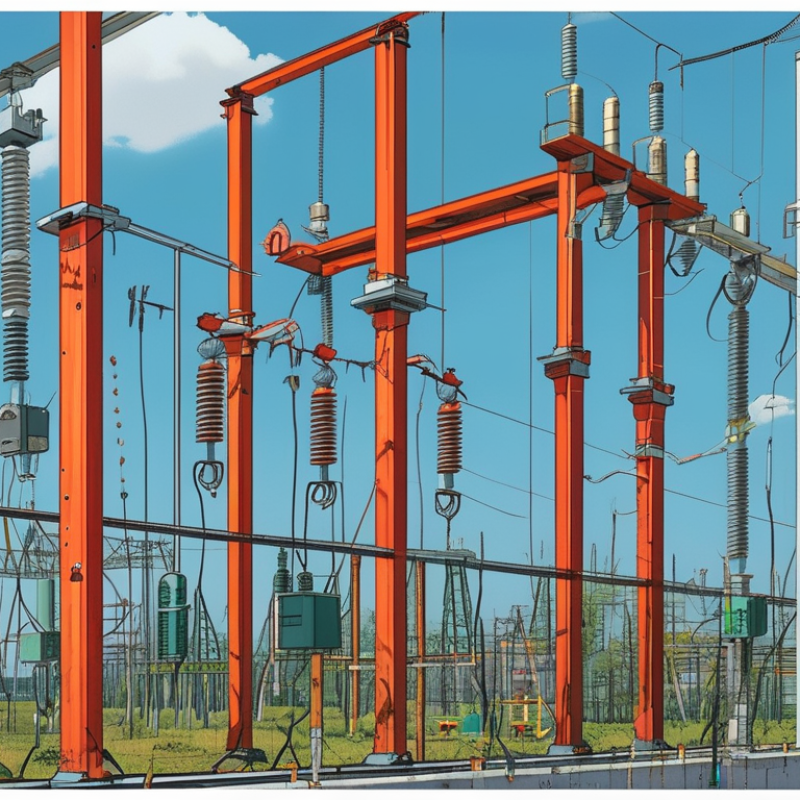
Key Factors to Consider When Selecting Pole Mounted Switches
When selecting pole mounted switches, several key factors demand attention.
Durability is paramount. These devices should withstand harsh weather conditions. Reports indicate that switches exposed to extreme temperatures may fail within a year if not properly rated. Look for switches with an IP rating suitable for your environment.
Another critical aspect is the electrical rating. Understanding the voltage and current requirements is crucial.
According to industry standards, capacity mismatches can lead to overheating and potentially dangerous failures. In fact, poor selection has been linked to a 30% increase in maintenance costs over five years.
Additionally, consider installation location and accessibility. If frequent maintenance is needed, easy access becomes vital. Yet, many overlook this factor, leading to unnecessary labor costs. The proper installation height can also affect functionality and safety. Always prioritize these elements to ensure optimal performance and reliability.
Understanding the Different Types of Pole Mounted Switches Available
When considering pole mounted switches, understanding the types available is crucial for effective project planning.
Pole mounted switches serve various functions, such as controlling power distribution and enabling or disabling circuits. They come in three main types: single-pole, double-pole, and multi-pole switches. Each type is suited for specific applications. Single-pole switches are common for residential use, while double-pole switches cater to higher voltage and current requirements. Multi-pole switches are ideal for complex electrical systems.
Recent industry reports indicate that the global switch market is expected to grow at a CAGR of 8.2% from 2021 to 2028. This trend reflects the increasing demand for reliable and efficient power management solutions across sectors. Choosing the right pole mounted switch directly impacts operational efficiency and safety. Therefore, understanding specifications such as voltage rating and load capacity is vital. Improper selection may lead to system failures or safety hazards, which can halt operations and result in costly repairs.
In addition to functionality, environmental factors should be considered. Pole mounted switches must withstand various weather conditions. The choice of materials and design can influence their reliability. Reports show that up to 30% of switch failures arise from environmental wear. Therefore, thorough research on materials and their suitability for specific conditions is essential before making a selection. Each type has its merits, but understanding these nuances will lead to better performance in your projects.
Evaluating Environmental Conditions for Optimal Switch Performance
When selecting pole-mounted switches, environmental conditions play a crucial role in their performance. Various weather factors can significantly affect the switch's functionality and longevity. For instance, in areas with high humidity, corrosion becomes a major concern. According to a study by the National Electrical Manufacturers Association, switches exposed to moisture can fail 30% sooner than their counterparts in drier conditions. This emphasizes the need for switches designed to withstand specific environmental challenges.
Another factor is temperature extremes. Devices operating in regions with freezing temperatures can experience brittle materials. A report from the IEEE notes that switches should be tested for durability across a wide temperature range to ensure reliable operation. Additionally, factors like wind loads and exposure to UV radiation can impact both the mounting structure and the switch itself. Selecting materials that provide resistance to these environmental stressors is essential for optimal performance.
A comprehensive evaluation of environmental conditions should include potential exposure to pollutants like salt or industrial fumes. This assessment allows for better decision-making when choosing a switch type. Furthermore, unexpected environmental changes can lead to installation challenges. Reflecting on these variables can help in creating a more robust selection process. Choosing the right switch is not a mere technical task but requires a thorough understanding of the surrounding conditions to enhance reliability and longevity.
Importance of Load Capacity and Electrical Ratings in Switch Selection
When selecting pole mounted switches, understanding load capacity and electrical ratings is crucial. Load capacity indicates how much current a switch can safely handle. It must match your project requirements to avoid overheating and potential hazards. According to the National Electrical Manufacturers Association (NEMA), a switch should be rated for at least 25% above the maximum expected load. This margin enhances safety and reliability.
Pay attention to electrical ratings. They include voltage, frequency, and current ratings. These ratings define how a switch will perform under specific conditions. For instance, a switch rated for 480 volts can handle heavy-duty applications like industrial machinery, while a 120-volt rating is more suitable for residential use. Many professionals overlook this detail, which can lead to equipment failure.
Consider several tips when making your choice. Evaluate the environmental conditions where the switch will be installed. Outdoor switches must resist moisture and corrosion. Always verify compatibility with existing wiring and devices. Lastly, review manufacturer documentation for insights on long-term performance and warranty information. These steps enhance the overall reliability of your project and ensure safety standards are met.
Safety Standards and Compliance for Pole Mounted Electrical Equipment
When selecting pole mounted switches, safety standards and compliance play a crucial role. According to the National Electrical Safety Code (NESC), proper installation and adherence to safety regulations ensure reliable performance. These standards include specific guidelines on materials and construction, designed to withstand environmental stressors like wind, rain, and snow. Regular audits and inspections are essential in maintaining compliance and safety.
Research from industry reports indicates that about 30% of electrical failures stem from non-compliance with safety standards. It emphasizes the importance of understanding local regulations. Electrical installations must meet both national and local codes. Ignoring these requirements can lead to increased liability and safety risks. Implementing regular maintenance routines can help identify potential issues early.
Moreover, considering the design and durability of these switches is vital. The best options are weather-resistant and built to endure the elements. Materials should have robust insulation properties to prevent failures. Understanding these factors can significantly lower operational risks. It's essential to balance cost with quality; always prioritize safety in the decision-making process.
Top Tips for Choosing Pole Mounted Switches for Your Projects
This chart illustrates the importance ratings of various factors when selecting pole mounted switches for electrical projects. Factors like safety compliance, durability, and weather resistance are crucial to ensure reliable operation and adherence to safety standards.





 Send Email
 Phone
Phone whatsapp
 Wechat
 Whatsapp
