How to Choose the Right Anchoring Clamp for Your Needs?
Choosing the right anchoring clamp is crucial for ensuring safety and efficiency in various applications. According to a report by Global Market Insights, the demand for anchoring solutions is expected to grow by over 5% annually, indicating a significant need for robust and reliable products. With various types available, selecting the appropriate anchoring clamp can be challenging.
When looking at the industry standards, the American National Standards Institute (ANSI) emphasizes the importance of using certified clamps for effective load-bearing. Inadequate choices can lead to failures, putting safety at risk. It’s essential to understand the specific requirements of your project.
Material, load capacity, and environmental conditions all play critical roles in this decision. Regularly, users overlook factors like corrosion resistance or thermal stability in their selection process. Therefore, a careful examination of these details is vital for achieving optimal performance. Remember, a well-informed choice of anchoring clamp can significantly impact the success of your project.
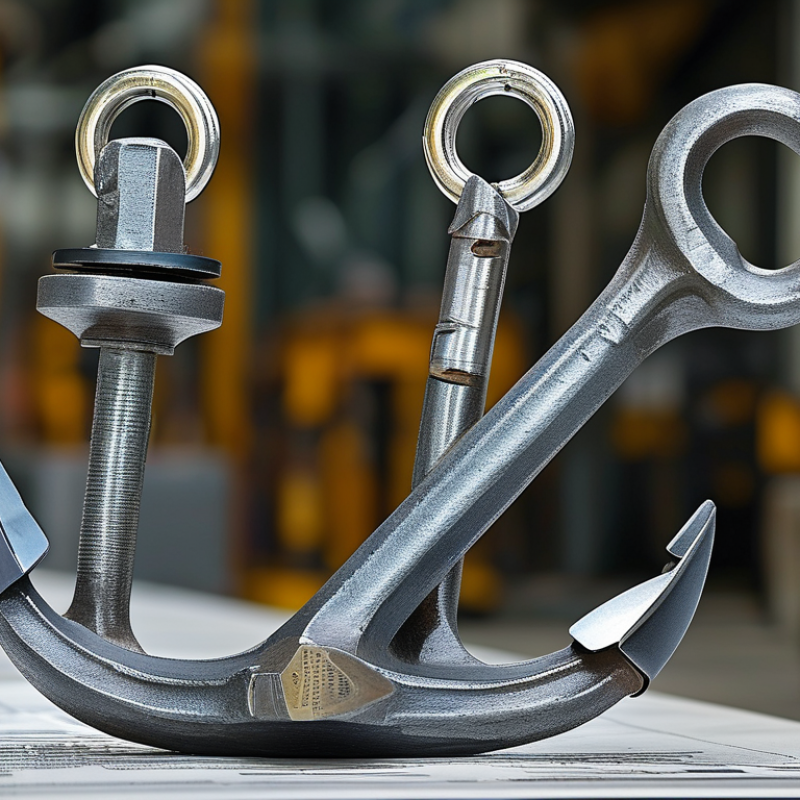
Understanding the Different Types of Anchoring Clamps Available in the Market
When selecting an anchoring clamp, it is essential to understand the different types available. These clamps vary widely in design, materials, and intended applications. Some common types include loop clamps, J-clamps, and swivel clamps. According to a report by the Anchoring Systems Association, over 60% of industry professionals prefer loop clamps for their strength and adaptability in various environments.
Loop clamps are particularly effective in applications requiring robust support, such as in construction or marine settings. These clamps can handle significant loads, providing both stability and security. J-clamps, on the other hand, are often favored for lighter applications, such as temporary installations or in scenarios where quick adjustments are needed. Swivel clamps offer the ability to rotate along the anchor point, which is ideal for dynamic environments.
However, choosing the wrong type can lead to safety risks or operational inefficiencies. Research indicates that 30% of project delays stem from improper anchoring solutions. It's crucial to assess your specific needs, including load requirements and environmental conditions, before making a selection. Consideration of these factors will lead to improved safety and efficiency in your projects.
How to Choose the Right Anchoring Clamp for Your Needs?
| Type of Anchoring Clamp |
Material |
Load Capacity (kN) |
Ideal Use Cases |
Notes |
| Clamp Type A |
Aluminum |
15 |
Lightweight applications, temporary setups |
Corrosion resistant |
| Clamp Type B |
Steel |
30 |
Heavy-duty applications, construction sites |
Higher durability |
| Clamp Type C |
Plastic |
5 |
Light applications, non-critical installations |
Economical option |
| Clamp Type D |
Stainless Steel |
25 |
Marine environments, outdoor applications |
Highly resistant to rust |
Key Factors to Consider When Selecting Anchoring Clamps for Your Project
Choosing the right anchoring clamp involves careful consideration of several key factors. The material of the clamp is crucial. Steel clamps often provide the highest strength and durability, especially for heavy-duty applications. According to a report by the American Society of Civil Engineers, steel clamps can withstand a tensile load of up to 30,000 pounds and are recommended for high-stress environments.
Another important factor is the size and design of the clamp. A well-designed clamp ensures a secure fit for different types of cables or pipes. Understanding the working load limit is essential. For instance, clamps rated below the required load can lead to failures. Industry standards recommend that the selected clamp should exceed the expected load by at least 20%, ensuring safety and reliability.
Consider the environment where the clamp will be used. Outdoor applications may require corrosion-resistant materials. This is often overlooked, but it can significantly affect the clamp's lifespan. Regular inspections are needed to identify wear and tear. Reflect on your project's specifics, as each application has unique requirements that may not be fully addressed by standard clamps.
Selecting the right anchoring clamp may seem daunting, but being informed leads to better choices. It's important to frequent discussions with engineers or project managers on material choices and environmental influences. This awareness can prevent potential issues down the road.
Assessing Load Capacity: Choosing the Right Clamp for Your Weight Requirements
When selecting an anchoring clamp, assessing the load capacity is crucial. Different applications require different weight tolerances, making this a key factor. According to the American Society of Civil Engineers (ASCE), proper load assessment helps prevent structural failures. For instance, a clamp rated at 2,000 pounds may not suit a project requiring 3,000 pounds of support.
Understanding material types can also impact load capacity. Aluminum clamps typically yield a lower weight capacity than steel ones. The North American Steel Alliance reports that while aluminum is lightweight, steel's durability often outweighs this. It's essential to consider not just the weight, but also how dynamic forces, like wind or movement, influence load-bearing expectations.
Misjudgments on load can lead to safety hazards. An overlooked detail, such as corrosion, can significantly reduce a clamp's effectiveness. According to industry studies, nearly 30% of failed anchoring systems result from inadequate capacity assessments. It's vital to continuously consult updated resources and guidelines to ensure reliable choices, as standards evolve over time. Making informed decisions about load capacities promotes safer installations and enhances overall structural integrity.
Materials and Durability: How They Affect Anchoring Clamp Performance
When selecting an anchoring clamp, material plays a significant role in performance. Common materials include steel, aluminum, and plastic. Steel clamps offer high strength and durability but are heavier. Aluminum clamps are lighter and resist corrosion, making them ideal for outdoor use. However, they may not provide the same load capacity as steel. Plastic clamps are lightweight and resistant to rust, yet they can be less durable under extreme conditions.
Durability is directly influenced by the chosen material. Steel clamps can last for years in suitable environments. However, in marine settings, they may rust without proper coating. Aluminum, while generally more robust against rust, can dent more easily. This can lead to decreased performance, especially under heavy load. Plastic clamps can often crack if exposed to prolonged UV light or extreme temperatures. Users must reflect on their specific conditions when deciding.
Performance is also tied to the manufacturing process. Well-finished products tend to have fewer imperfections. These details ensure a secure grip and prevent slippage. Choosing clamps from reputable sources usually means better quality control. However, even established manufacturers can produce flawed items. It’s crucial to examine the reviews and feedback, as they provide valuable insight into real-world performance.
Anchoring Clamp Material and Durability Performance Comparison
Industry Standards and Certifications to Look for in Anchoring Clamps
When selecting an anchoring clamp, industry standards and certifications play a crucial role. These standards ensure safety and reliability. Look for certifications from recognized organizations. These may indicate compliance with international regulations. Common certifications include ISO, ASTM, and CE marking. Each one signifies that the clamp has passed specific tests.
Understanding the material composition is essential. For instance, stainless steel clamps often resist corrosion. This is particularly relevant in harsh environments. The load-bearing capacity is another critical factor. Ensure that the chosen clamp can handle the required weight. Load ratings should match your specific application.
However, not all clamps are created equal. Some may meet basic standards but lack durability. Inspect for any signs of wear or manufacturing defects. Verify that the clamp is easy to install and operate. Sometimes, technical specifications can be overwhelming. Take the time to ask questions before making a final decision. Consider consulting an expert in the field. This can help clarify any uncertainties you may have.







 Send Email
 Phone
Phone whatsapp
 Wechat
 Whatsapp
