2026 How to Choose the Best Mv Surge Arrester for Your Needs?
Choosing the right MV surge arrester is crucial for protecting your electrical systems. An MV surge arrester offers significant advantages, including enhanced safety and reliability. However, with various options available, it can be challenging to find the best fit for your needs.
When selecting an MV surge arrester, consider several factors. Understand the voltage ratings and the specific requirements of your application. The quality of materials used in the arrester plays a vital role in its performance and longevity. It's essential to seek products from reputable manufacturers known for their expertise in surge protection.
Evaluating your options isn't always straightforward. Many products claim to be the best, yet they may not meet your expectations. Take the time to research and consult with professionals. Their insights can clarify the complexities involved in choosing the perfect MV surge arrester for your requirements. Ultimately, informed choices lead to better protection for your electrical infrastructure.
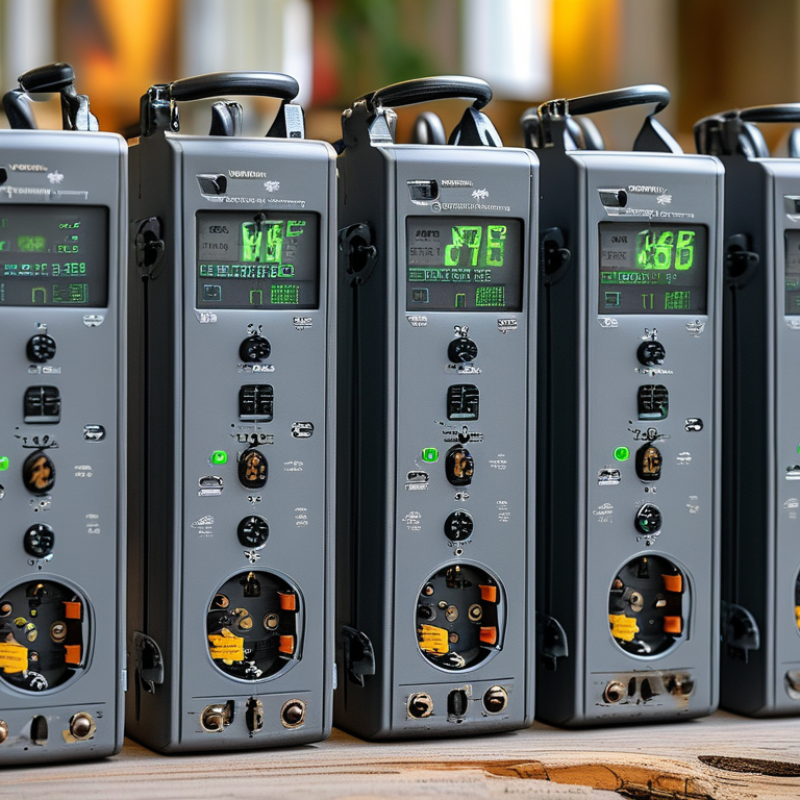
Understanding the Basics of MV Surge Arresters and Their Functionality
Understanding the basics of medium voltage (MV) surge arresters is crucial for selecting the right device for your needs. MV surge arresters protect electrical equipment from voltage spikes. These spikes can arise from lightning strikes, switching activities, or faults in the electrical system. Knowing how MV surge arresters function can help you appreciate their importance in safeguarding your infrastructure.
An MV surge arrester typically consists of a metal oxide varistor (MOV) that absorbs excess voltage. When the voltage exceeds a certain threshold, the MOV redirects the surge away from sensitive equipment. This action helps to maintain the operational integrity of your systems. It's essential to consider the specifications of the arrester. Is it designed for the voltage rating of your system? Have you assessed its energy absorption capacity? These details are critical.
Not all MV surge arresters are created equal. While some perform under certain conditions, others might not. It’s vital to analyze your unique requirements. Each installation has its challenges. Maybe the environment is harsh, or the frequency of surges is high. These factors will influence your choice. The right MV surge arrester can make a significant difference, but understanding its limitations is equally important. Being informed enables better decision-making in the prevention of costly damages.
Key Technical Specifications to Consider When Choosing MV Surge Arresters
When choosing medium voltage (MV) surge arresters, focus on key technical specifications. Critical factors include voltage rating, energy absorption capability, and response time. The voltage rating should match your system’s requirements. Over-rating may lead to nuisance tripping, while under-rating risks equipment damage. A surge arrester's energy absorption ability defines how much energy it can safely dissipate during a surge. Industry reports estimate that effective energy handling can prevent up to 80% of surge-related failures.
Response time is equally vital. A surge arrester with a quicker response time can minimize the impact of voltage spikes. Look for arresters that can respond in nanoseconds to protect sensitive equipment. Additionally, consider environmental factors. The location and the expected exposure to climatic conditions play a significant role in the longevity of the device. Not all arresters perform well under extreme conditions.
While these specifications provide a foundation, reflective assessment of your unique situation is crucial. Industry experts highlight that even minor oversights can lead to significant failures. Hence, evaluate past surge incidents and potential risks thoroughly. Assess maintenance needs as well; some MV surge arresters require regular checks. Amidst these choices, remember that there’s no one-size-fits-all solution. Your specific operational environment dictates the ideal arrester choice.
MV Surge Arresters Technical Specifications Comparison
Evaluating the Performance Ratings of Surge Arresters in MV Applications
Surge arresters play a crucial role in protecting medium voltage (MV) applications. Evaluating their performance ratings is essential to ensure reliability. When choosing a surge arrester, consider its voltage rating and energy absorption capacity. Look for devices that can withstand high surge currents while maintaining low residual voltages. This ensures that your equipment remains safe during transient voltage events.
Tips: Examine the arrester's specifications carefully. Seek models that exhibit superior performance under extreme conditions. Regular evaluations of their condition over time also help. This practice can enhance the longevity of your equipment.
Performance ratings should reflect real-world conditions. Beware that some manufacturers may exaggerate ratings. Real testing scenarios may reveal vulnerabilities not indicated in specifications. Testing your surge arrester in the environment it will operate is critical. Monitor for any abnormal heat or wear. Implementing a proactive maintenance schedule can also improve overall system resilience.
2026 How to Choose the Best Mv Surge Arrester for Your Needs?
| Parameter |
Description |
Rating |
Application Suitability |
| Clamping Voltage |
The maximum voltage the arrester allows to pass before it limits surges. |
Low (e.g., <3600V) - Medium (3600V-5000V) - High (>5000V) |
All MV applications |
| Energy Handling Capability |
The amount of energy the arrester can absorb during a surge event. |
Low (e.g., <10kJ) - Medium (10kJ-30kJ) - High (>30kJ) |
Industrial plants, substations |
| Response Time |
The time duration the arrester takes to respond to a surge event. |
Fast < 1ns - Moderate (1ns-10ns) - Slow > 10ns |
Sensitive electronics |
| Temperature Range |
The operational temperature range for which the arrester is rated. |
Standard (-20°C to 40°C) - Extended (-40°C to 60°C) |
Cold climates, hot environments |
| Mounting Type |
How the arrester is installed: pole-mounted or wall-mounted. |
Pole mount - Wall mount |
Variety of installation environments |
Identifying Environmental and Application Factors Impacting Surge Arresters
When selecting an MV surge arrester, understanding environmental factors is crucial. The location of installation affects the design requirements. For instance, areas prone to lightning require surge arresters with higher protection levels. Studies indicate that up to 80% of surge damage occurs due to these natural events. Hence, specific technical specifications need to match the geographical risk profile.
Application factors also play a significant role. Industrial sites may have more equipment that can cause transient overvoltages. According to industry reports, nearly 30% of equipment failures are related to surges. Selecting arresters based on equipment sensitivity is vital. Additionally, operational standards may dictate the lifespan of the arrester. This aspect often goes overlooked, leading to premature failure.
The choice of materials in surge arresters affects their reliability. Some environments require corrosion-resistant materials, especially where humidity or pollutants are present. Reports show that arresters made from advanced ceramics outlast traditional options by 40%. As these environmental and application factors intertwine, they may complicate the selection process. It's essential to balance these factors and engage with credible data to make informed decisions.
Cost-Effectiveness and Reliability: Selecting the Right MV Surge Arrester
When selecting a medium voltage (MV) surge arrester, cost-effectiveness and reliability are key factors. An MV surge arrester is crucial for protecting equipment from voltage spikes. A well-chosen arrester can save costs on repairs and downtime in the long run. However, it is essential to balance price with quality. Look for products that offer robust performance without breaking the bank.
Reliability is not just about brand reputation; it hinges on technical specifications. Understanding your system's requirements is vital. Factors such as voltage ratings, energy absorption capability, and environmental conditions should guide your choice. An arrester may seem affordable but lack critical features, leading to failures during stress events. Customers often overlook these details, which can result in choosing inferior products.
It's tempting to focus solely on upfront costs. However, costs associated with poor reliability can be staggering. Long-term performance matters more than initial savings. Take time to review test data and user experiences. While some products may promise performance, not all live up to expectations. Thorough research will help avoid future disappointments and enhance system reliability.




 Send Email
 Phone
Phone whatsapp
 Wechat
 Whatsapp
