2026 Best Pole Fittings for Optimal Performance and Durability?
In the world of outdoor activities, proper pole fittings play a critical role. Whether for camping, hiking, or mountaineering, choosing the right fittings can enhance performance and durability. Reliable pole fittings ensure that your equipment stays intact in various conditions.
Quality fittings are essential for stability and safety. The right combination of materials can withstand wear and tear. Yet, with so many options available, finding the best pole fittings can be daunting. Materials, design, and brand reputation all matter. Some products may appear perfect but fail under stress. Testing is crucial to identify shortcomings.
Expert reviews and personal experiences can guide your choices. However, even industry leaders face challenges in producing flawless products. Listen to user feedback. Understand your needs and consider fitting specifications. Prioritize durability and functionality to maximize your outdoor experiences. Investing in the right pole fittings is essential for anyone passionate about outdoor adventures.
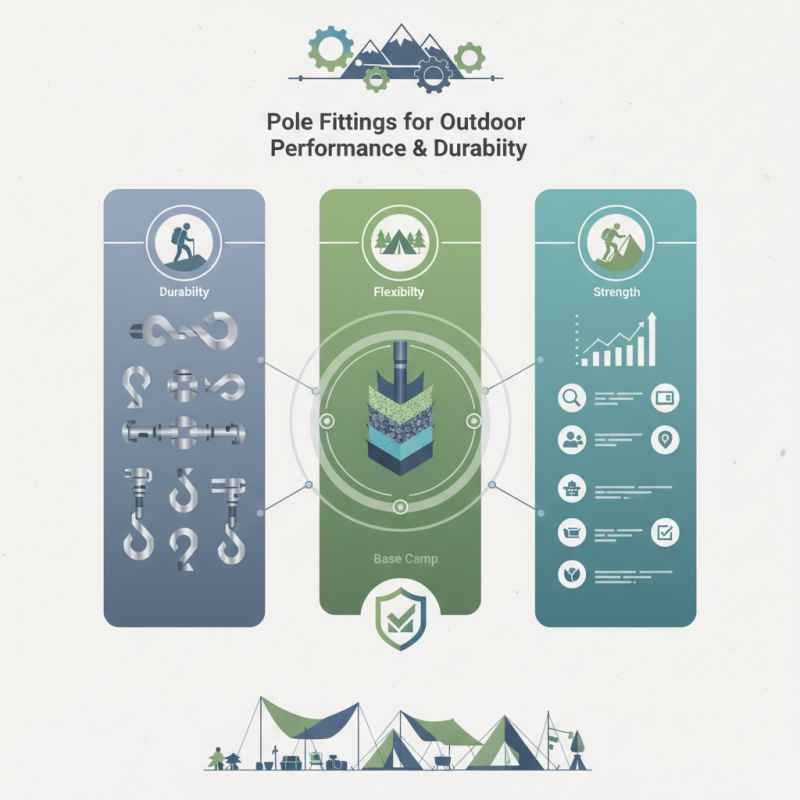
Overview of Pole Fittings and Their Importance in Performance
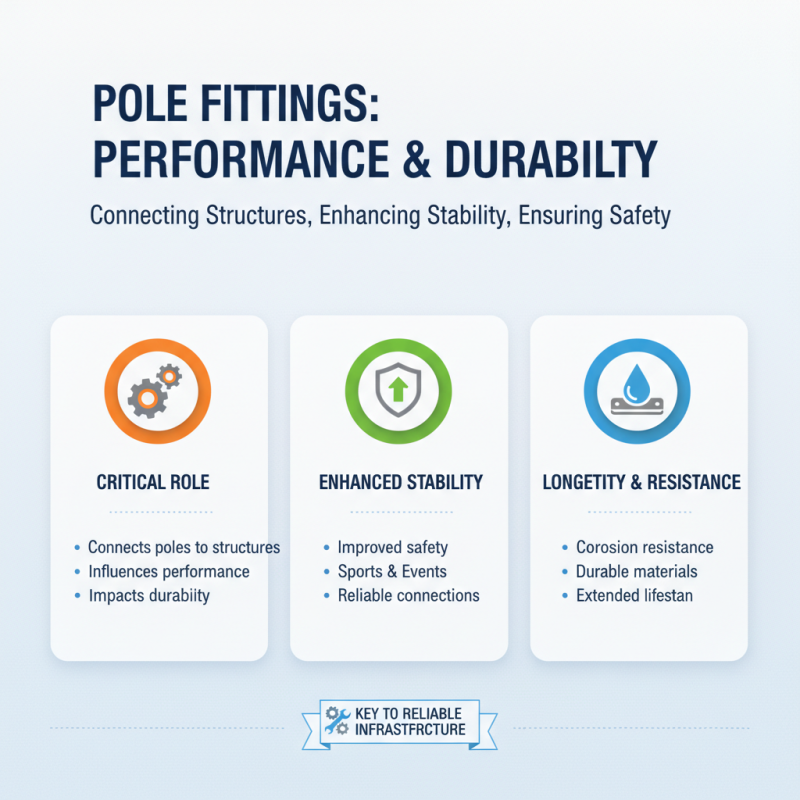
Pole fittings play a critical role in various applications, influencing both performance and durability. These components connect poles to structures effectively. A well-designed fitting can enhance stability, ensuring safety in settings like sports and outdoor events. The right materials also contribute to corrosion resistance, prolonging the lifespan of the fittings.
When selecting pole fittings, one must consider factors like weight capacity and environmental exposure. Improper fittings can lead to accidents and equipment failure. It's easy to overlook these details, but they are essential for successful operations. The choice of fitting should reflect the specific demands of each scenario. Evaluating user reviews and expert recommendations can provide valuable insights. Always seek to understand the limits and capabilities of different materials. Such diligence can prevent costly mistakes and ensure optimal performance.
Key Factors Influencing the Durability of Pole Fittings
When choosing pole fittings, durability is crucial. Several key factors influence their longevity. Material quality plays a significant role. High-grade aluminum or stainless steel fittings often resist corrosion better than lower-quality options. This choice impacts how well fittings withstand harsh weather.
Regular maintenance can extend the lifespan of pole fittings. Inspect them for signs of wear or damage. Tighten loose screws and check for rust. Routine inspections help identify potential issues before they become severe.
Tips for enhancing durability: Store fittings in a dry place when not in use. Avoid exposing them to extreme temperatures. Use protective coatings to prevent corrosion. Each of these factors contributes to the overall performance of pole fittings in various settings. Prioritizing these aspects ensures you invest in reliable and long-lasting equipment.
2026 Best Pole Fittings for Optimal Performance and Durability
This chart illustrates the key factors influencing the durability of pole fittings, rated on a scale from 1 to 10. The material quality and load capacity are highlighted as the most critical elements for optimal performance.
Top Materials Used in High-Performance Pole Fittings
When considering pole fittings for superior performance and durability, the choice of materials plays a critical role. Materials such as stainless steel, aluminum, and advanced composites are commonly used in high-performance applications. According to a recent industry report, stainless steel fittings offer exceptional corrosion resistance, which is crucial for longevity in harsh environments. Aluminum, while lighter, provides excellent strength-to-weight ratios, making it ideal for portable setups.
It’s important to note that different projects might require different material characteristics. For instance, while aluminum is advantageous for ease of transport, it may not withstand heavy loads as effectively as steel. Understanding these trade-offs is essential for making informed decisions about pole fittings.
Tips: Always assess your specific needs before purchasing. Consider factors such as weight, environmental exposure, and load requirements. Regular inspection of fittings can prevent failures, even with high-quality materials. Recognizing the limitations of each material can help ensure that the chosen fittings perform optimally under varying conditions.
Comparison of Leading Brands: Performance and Durability Ratings
When choosing pole fittings, performance and durability are crucial. A recent industry report highlighted that up to 60% of users have experienced issues with wear and tear on fittings after just one season. This statistic underscores the need for high-quality materials and robust designs. For instance, fittings made from high-grade aluminum and stainless steel show significantly better resistance to corrosion and physical stress.
In terms of performance, testing has shown that top-rated fittings can handle extreme temperatures and heavy loads without compromising safety. Several evaluations revealed that fittings designed with reinforced structures lasted 30% longer than standard models under similar conditions. Customers often report improved usability and satisfaction when investing in durable options, leading to better long-term value.
However, it's essential to remain cautious. Not all fittings labeled as high-performance meet expectations. Some may fail prematurely or offer subpar durability. Reviews suggest that users should seek independent testing and certifications, rather than relying solely on marketing claims. Always consider real-world feedback to avoid potential pitfalls and make informed decisions.
Maintenance Tips for Extending the Life of Pole Fittings
Maintaining pole fittings is essential for optimal performance and longevity. Proper upkeep can extend their lifespan significantly. According to industry research, regularly inspected and well-maintained fittings can last up to 30% longer than those neglected. This statistic highlights the importance of proactive care.
Regular inspections are vital. Check for signs of wear and corrosion. Look for loose connections or any signs of rust. Addressing these issues can prevent more significant problems down the line. Clean fittings regularly to remove dirt and debris. A clean surface can enhance durability and performance.
Tip: Use a non-corrosive lubricant on moving parts. This helps reduce friction and prevents wear. Maintaining a protective coating can also shield fittings from harsh environmental factors.
Storing pole fittings correctly is crucial too. Avoid leaving them in damp or excessively hot conditions. Wrapping them in protective materials can help prevent damage. Research indicates that environmental conditions can shorten the lifespan significantly. Remember, not all maintenance practices are perfect. Some methods may need reevaluation over time. Regularly update your maintenance strategy based on new findings and experiences.




 Send Email
 Phone
Phone whatsapp
 Wechat
 Whatsapp
