7 Best Stay Fittings for Global Buyers
Global buyers need more than attractive window hardware. They need Stay Fittings that perform quietly through changing weather, repeated use, and demanding installation conditions. A friction stay may look simple, yet its steel grade, arm geometry, screw positions, and load rating can decide long-term performance. A fitting used beside a salty coastline faces different risks from one installed in a dry mountain home.
Architectural hardware consultant David A. Oswald explains, “The best stay fitting is measured by controlled movement, not showroom appearance.” This practical view shapes our selection of the seven best Stay Fittings for international buyers. Each option should balance smooth operation, corrosion resistance, compatible dimensions, and dependable support. Stainless steel remains a strong choice for humid locations. Restrictor stays can improve safety near children’s rooms or high-level windows. Heavy-duty friction stays may suit wider casements, but only when the frame and hinges can carry the load.
Details matter here. A 5 mm fixing error can create uneven pressure. A weak screw can loosen after months of cycling. Packaging also deserves attention, especially when products cross long shipping routes. Buyers should check technical drawings, tested capacities, finish specifications, and replacement availability before ordering.
No universal winner exists. Some choices will cost more than expected. Others may appear efficient but disappoint under real weather exposure. That is the uncomfortable part. Reliable sourcing requires comparing laboratory claims with practical installation experience. This guide offers a clear starting point, while leaving room for project-specific judgment.
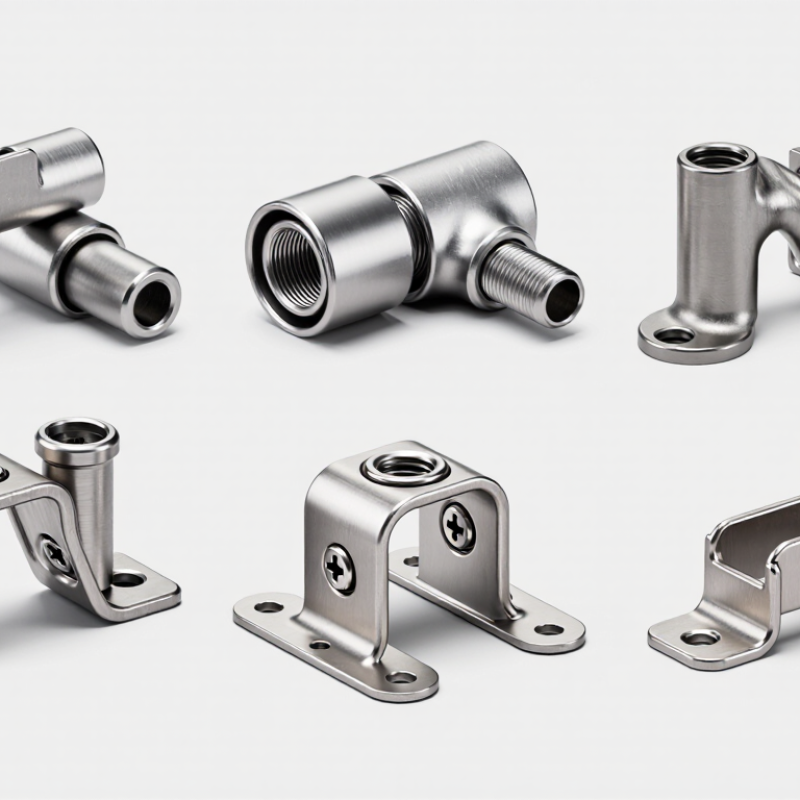
Understanding Stay Fittings and Their Global Applications
Stay fittings are small hardware components that control movement, support panels, and improve everyday safety. Their global applications range from residential windows to industrial access doors. Choosing the right type requires more than checking size. Load, opening angle, material, climate, and local installation practices all matter.
A friction stay suits windows that need controlled opening in windy areas. A telescopic stay supports larger panels and allows adjustable positioning. A folding stay works well on cabinets, counters, and compact service doors. Gas stays reduce lifting effort for storage lids and equipment covers.
Door stays help prevent sudden opening or wall impact. Stainless steel stays resist moisture in kitchens, coastal buildings, and outdoor enclosures. Adjustable window stays help balance ventilation with security. These seven options serve different tasks, not interchangeable ones.
Material selection should match the environment. Galvanized steel can suit dry indoor use, while stainless steel is safer around salt air. Measurements must include panel weight and hinge position. A fitting that feels strong in a showroom may loosen after repeated cycles. That detail is easy to miss. Installers should test the full movement before final tightening. Screws also need suitable length and pull-out resistance. Regional standards can influence fire doors, emergency access, and window safety requirements. Always verify current technical rules with qualified local professionals.
One practical lesson remains imperfect: catalog ratings cannot fully predict real-world misuse, vibration, or poor alignment.
Seven Essential Stay Fitting Types for Different Structural Needs
7 Best Stay Fittings for Global Buyers
Seven Essential Stay Fitting Types for Different Structural Needs
Choosing stay fittings starts with the load path, not appearance. On site, I check the anchor, rod, cable, and connection as one working system. A neat fitting is not automatically a safe one. Seven common types cover different structural needs: rigid tie-rod stays for permanent bracing, adjustable turnbuckle stays for precise tensioning, cable stays for lightweight spans, guy-wire stays for masts and temporary supports, telescopic stays for variable distances, diagonal brace stays for frame stabilization, and tension-only rod stays where compression should be avoided.
Each type needs careful matching. Tie rods suit clean architectural lines and predictable loads. Turnbuckles allow field adjustment when foundations settle slightly. Cable fittings work well across longer gaps, but they require correct socketing and regular inspection. Guy-wire fittings need reliable anchors and balanced tension. Telescopic stays help during installation, although their locking details can be overlooked. Diagonal braces control movement in steel frames. Tension-only rods are efficient, but they cannot replace a compression member.
Material selection also matters. Hot-dip galvanized steel may suit exposed outdoor work, while stainless steel is often preferred near saltwater. Check thread engagement, pin diameter, edge distances, and drainage points. Ask for material certificates, load data, coating details, and inspection records. Local codes still control the final design. My own practical warning is simple: installers sometimes tighten fittings until they “feel right,” which is not a measurement. Calibrated tensioning and scheduled checks provide better evidence. A small alignment error can become a large structural problem.
How to Select Stay Fittings for Climate, Load, and Installation Conditions
7 Best Stay Fittings for Global Buyers
How to Select Stay Fittings for Climate, Load, and Installation Conditions
Stay fittings should match the site, not just the cable diameter. In coastal regions, salt spray can attack exposed steel quickly. Choose corrosion-resistant materials or suitable protective coatings for wet, humid conditions. In freezing areas, allow for ice weight and repeated temperature changes. Swage terminals and threaded terminals offer firm cable connections, while fork ends and clevises support pinned assemblies.
Load verification requires more than checking the working load printed on a product sheet. Calculate tension, wind pressure, vibration, and possible impact during service. Turnbuckles help adjust cable tension, but they need enough thread engagement. Thimbles reduce bending damage at cable eyes. Anchor plates must transfer forces safely into the supporting structure. Do not overlook fatigue.
Installation conditions often decide whether a fitting performs well. Tight spaces may favor compact clevises, while field adjustments may require accessible turnbuckles. Check tool access, cable alignment, drainage, and inspection clearance before ordering. A fitting that looks strong can fail when misaligned. Use verified calculations and applicable local standards. Field measurements matter.
A practical mistake is trusting a familiar size without reviewing the actual environment. It saves time initially, but corrections later can be costly. Inspect threads, pins, locking devices, and coating damage during installation. Keep records of torque, tension, material grade, and inspection dates. Small details often reveal larger installation problems.
International Standards, Quality Checks, and Purchasing Considerations
7 Best Stay Fittings for Global Buyers
International Standards, Quality Checks, and Purchasing Considerations
Stay fittings for windows, doors, and access panels must match local requirements and actual site conditions. Global buyers should check whether the product follows relevant EN, ASTM, ISO, or regional building standards. A certificate alone is not enough. Confirm the test method, laboratory identity, test date, and product reference. Documents should match the supplied batch.
Material selection needs careful review. Stainless steel, coated steel, and reinforced alloys perform differently in coastal air, high humidity, and industrial environments. Ask for material grades, coating thickness, salt-spray results, and load ratings. Inspect hinge movement, hole alignment, fastening threads, and surface defects. The fitting should open smoothly without excessive play. Small gaps can become serious after repeated use.
Purchasing decisions also depend on compatibility. Measure panel thickness, fixing distances, opening angles, and available clearance before requesting quotations. A sample installation can expose problems that drawings miss. Check packaging strength, corrosion protection, spare parts, and traceability labels. Clear tolerances reduce disputes during mass production.
Do not rely only on the lowest price.
In one practical review, a visually polished fitting failed because its screws loosened during cycle testing. The supplier corrected the fastener design, but the delay affected the project schedule. This is why buyers should request samples, inspection records, and independent checks when risk is high. Some specifications remain unclear, especially across markets. Record every assumption in writing before placing the order.



 Send Email
 Phone
Phone whatsapp
 Wechat
 Whatsapp
