Why Do You Need Surge Arresters for Your Electrical System?
Surge Arresters are crucial in protecting electrical systems from damaging voltage spikes. According to Dr. Emily Roberts, a leading expert in electrical engineering, "Surge Arresters serve as silent guardians, preventing catastrophic failures." Their role is often overlooked, yet they are vital for equipment longevity.
In many ways, we take Surge Arresters for granted. We expect our devices to function without interruption. However, power surges can occur unexpectedly, caused by events like lightning strikes or sudden power changes. Without Surge Arresters, these situations could lead to equipment failure and costly repairs.
Understanding their importance is essential. As our reliance on technology increases, the potential for power surges rises. It's a complex issue that demands our attention. Investing in quality Surge Arresters shields our electrical systems and ensures their reliable operation. Ignoring this need could be a costly mistake.
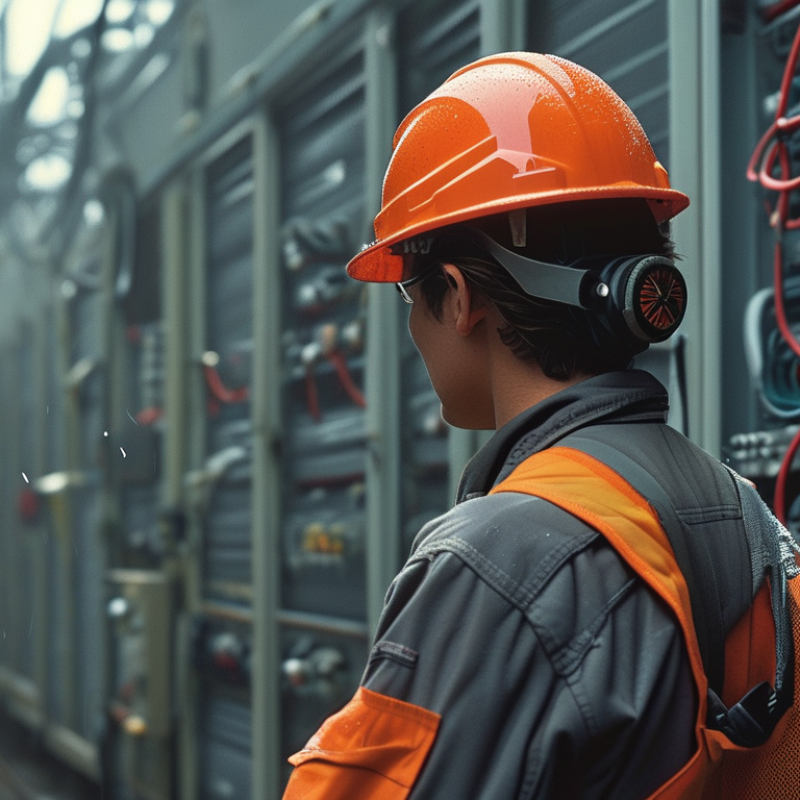
Understanding Surge Arresters and Their Role in Electrical Systems
Surge arresters play a critical role in protecting electrical systems from voltage spikes. These spikes can originate from various sources, such as lightning strikes or power grid fluctuations. A report from the Institute of Electrical and Electronics Engineers (IEEE) suggests that over 80% of equipment failures in electrical systems are due to surges. Without protection, critical components can be damaged, leading to costly repairs or replacements.
Understanding how surge arresters work is essential for anyone maintaining electrical systems. They divert excess voltage to the ground, safeguarding devices from potential damage. According to a study by the Electrical Safety Foundation International (ESFI), using surge protection can reduce equipment damage by up to 90%. Utilizing these devices not only protects systems but also ensures a consistent performance in power delivery.
Tip: Regularly check surge arresters for wear and functionality. They have a limited lifespan and can degrade over time. Another important aspect is to integrate surge protection into the planning of new electrical systems. Considering them during initial design can save time and money in the long run. Not protecting crucial systems can lead to unnecessary downtime, affecting both productivity and safety.
Types of Surge Arresters: Location, Design, and Applications
Surge arresters are essential components in electrical systems, protecting equipment from voltage spikes. Choosing the right type depends on location, design, and applications. Broadly, surge arresters can be categorized into three types: Type 1, Type 2, and Type 3. Type 1 devices are installed at service entrances and handle external surges. Type 2 devices protect against residual surges, while Type 3 devices provide last-line defense for sensitive electronics.
According to a report by the Institute of Electrical and Electronics Engineers (IEEE), improper protection can lead to equipment damage costing businesses millions annually. This emphasizes the importance of selecting the correct surge arresters for specific applications. For instance, industrial settings may require robust Type 1 solutions, while residential areas may benefit from Type 2 or Type 3 devices.
Tip: When installing surge arresters, ensure they match system voltage ratings. Mismatched devices can underperform or fail. Evaluate the layout of your electrical system to determine optimal locations for surge protection. Regular maintenance checks can enhance reliability, ensuring ongoing protection against unpredictable surges.
The Impact of Power Surges: Statistics and Long-Term Equipment Damage
Power surges can significantly harm electrical systems. Statistics indicate that nearly 80% of electrical equipment failures are due to transient voltage spikes. These surges can occur from events like lightning strikes or sudden grid changes. Surprisingly, more than 60% of businesses do not have surge protection measures in place.
The long-term effects of power surges are often underestimated. Research shows that just a single surge can reduce the lifespan of sensitive electronics by up to 30%. Equipment overheating, data loss, and functional failures are common consequences. Many organizations face unplanned downtime, which can lead to lost revenue and customer trust.
While surge arresters are vital, not all systems are protected equally. Regular maintenance and testing of these devices is essential. Many don’t realize that improper installation can diminish their effectiveness. As we upgrade our technology, understanding surge protection becomes crucial. It’s time to reevaluate our systems and make informed decisions to safeguard our equipment.
Why Do You Need Surge Arresters for Your Electrical System? - The Impact of Power Surges: Statistics and Long-Term Equipment Damage
| Surge Type |
Average Voltage (V) |
Frequency (times per year) |
Potential Damage Cost ($) |
Equipment Affected |
| Lightning Strike |
20,000 |
20 |
5,000 |
Computers, TVs, Refrigerators |
| Electrical Grid Issues |
2,000 |
50 |
1,000 |
Industrial Machinery, HVAC Systems |
| Power Restoration |
1,500 |
100 |
500 |
Home Appliances, Personal Devices |
| Inductive Loads |
700 |
30 |
300 |
Motors, Transformers |
Installation Best Practices for Surge Arresters in Various Settings
Surge arresters play an essential role in protecting electrical systems from voltage spikes. This protection is critical in homes, commercial buildings, and industrial settings. When installing surge arresters, professionals recommend placing them at the service entrance. This location helps shield the entire electrical system from surges caused by lightning or power spikes.
In residential settings, surge arresters should be installed for sensitive electronics. Statistics show that a voltage spike can cause damage to home appliances in less than a second. Installing surge arresters close to high-valued equipment significantly reduces the risk of damage. For commercial applications, consider using surge protection devices (SPDs) with higher ratings to handle industrial environments’ electrical loads. Proper bonding and grounding are crucial, as they ensure optimal function.
Tips: Always consult with a qualified electrician to assess your specific needs. Regularly check and replace surge arresters, as their effectiveness diminishes over time. Using tiered systems with multiple surge protection levels can offer better defense. Be mindful that surge arresters alone do not eliminate all risks, but they are a vital component of a comprehensive electrical safety plan.
Surge Arresters Importance in Electrical Systems
The chart above illustrates the percentage of surge arresters installed across different sectors. These percentages reflect the increasing awareness and implementation of surge protection measures, essential for safeguarding electrical systems against voltage spikes.
Regulatory Standards and Compliance for Surge Protection Devices
Surge protection devices (SPDs) play an essential role in protecting electrical systems. Compliance with regulatory standards ensures that SPDs operate effectively. These standards vary by region and type of application. Familiarizing yourself with these requirements can prevent future electrical failures.
When selecting surge arresters, ensure they meet local regulations. Consider factors like voltage ratings and installation site. Always consult current standards, as they evolve. This knowledge can save time and money.
Tips: Regularly check your electrical system for signs of wear. Replace outdated devices to maintain compliance. Engage with certified professionals for installations and inspections. Remember, being proactive is crucial for long-term safety.


 Send Email
 Phone
Phone whatsapp
 Wechat
 Whatsapp
