
 Send Email
 Phone
Phone whatsapp
 Wechat
 Whatsapp


What to do if composite post insulators crack? 5 common causes and preventive measures
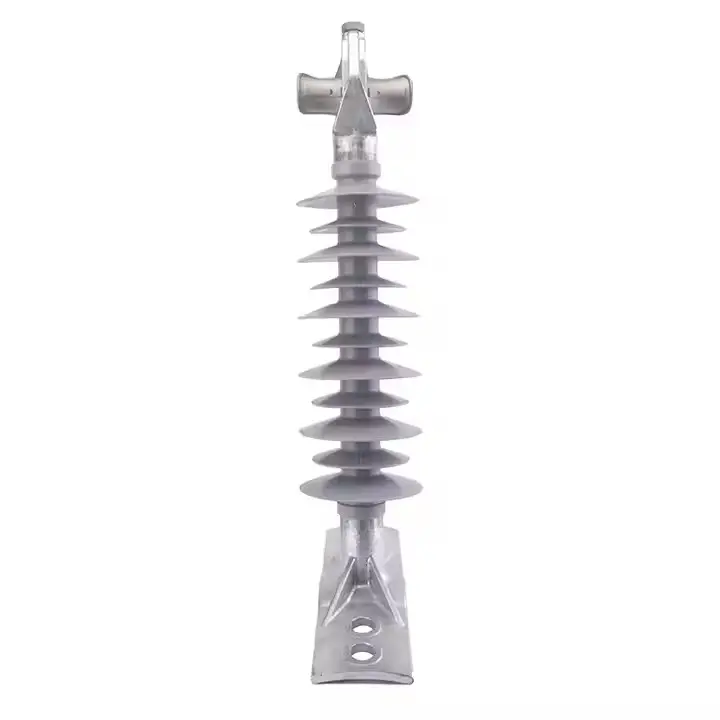
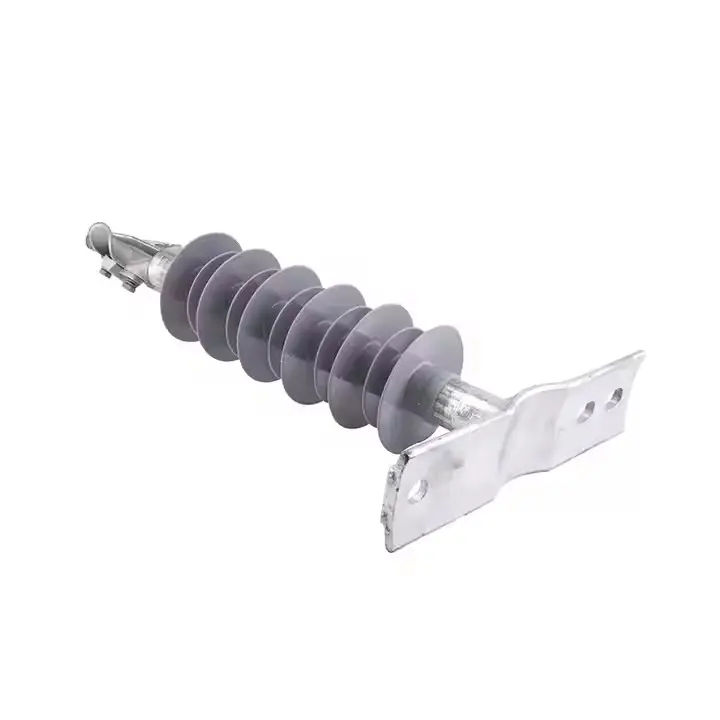
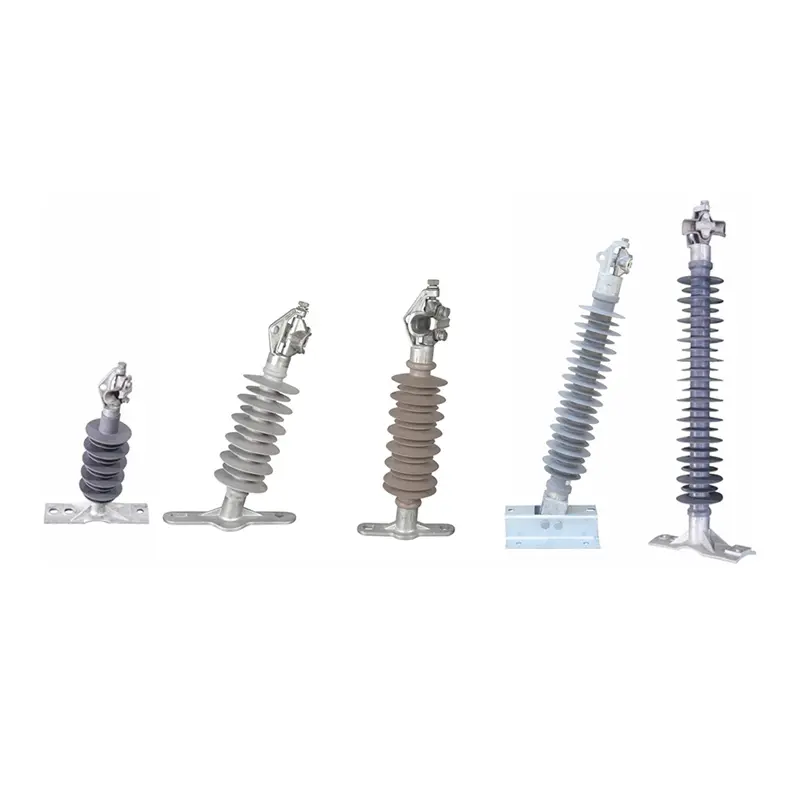
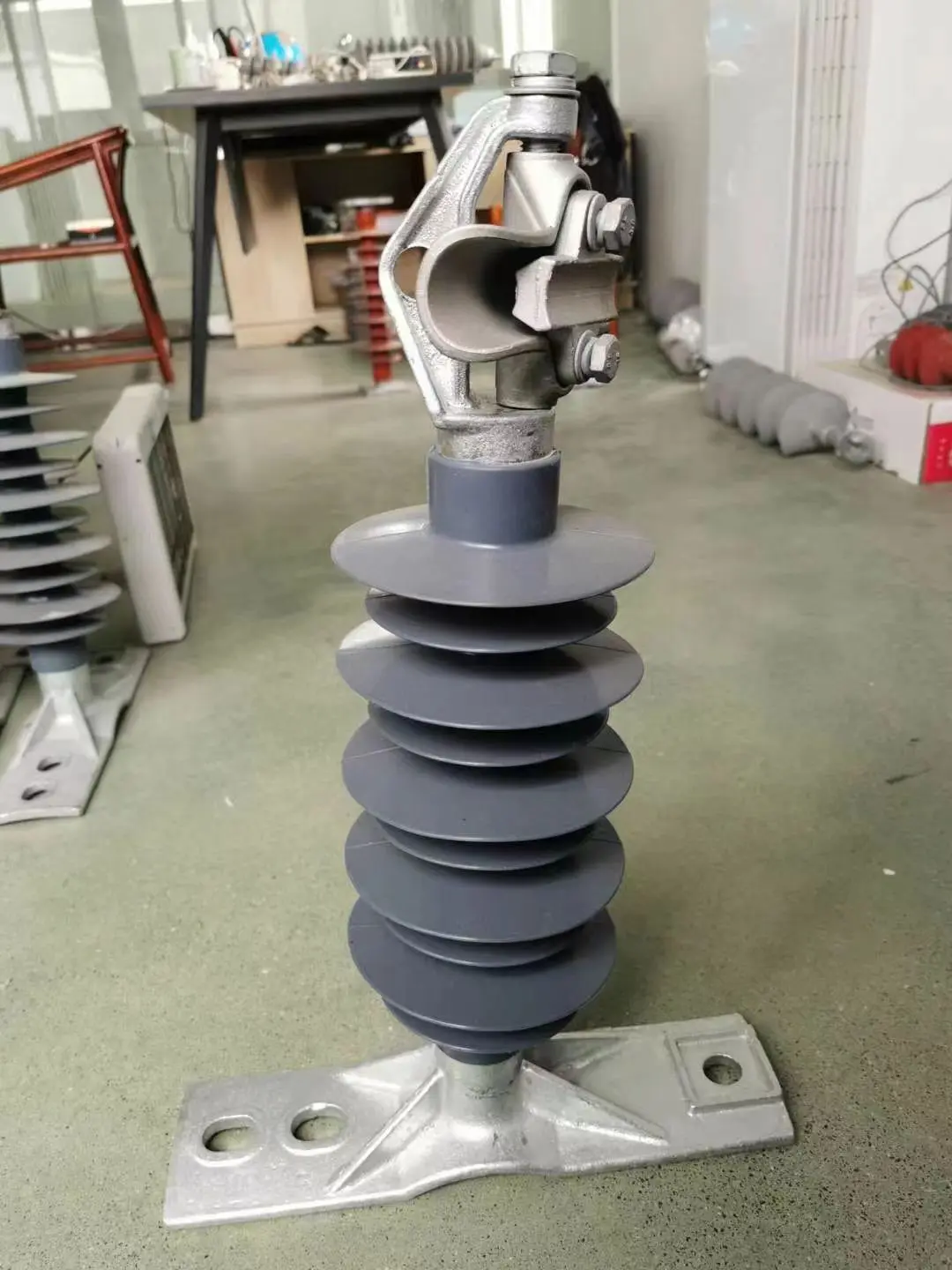
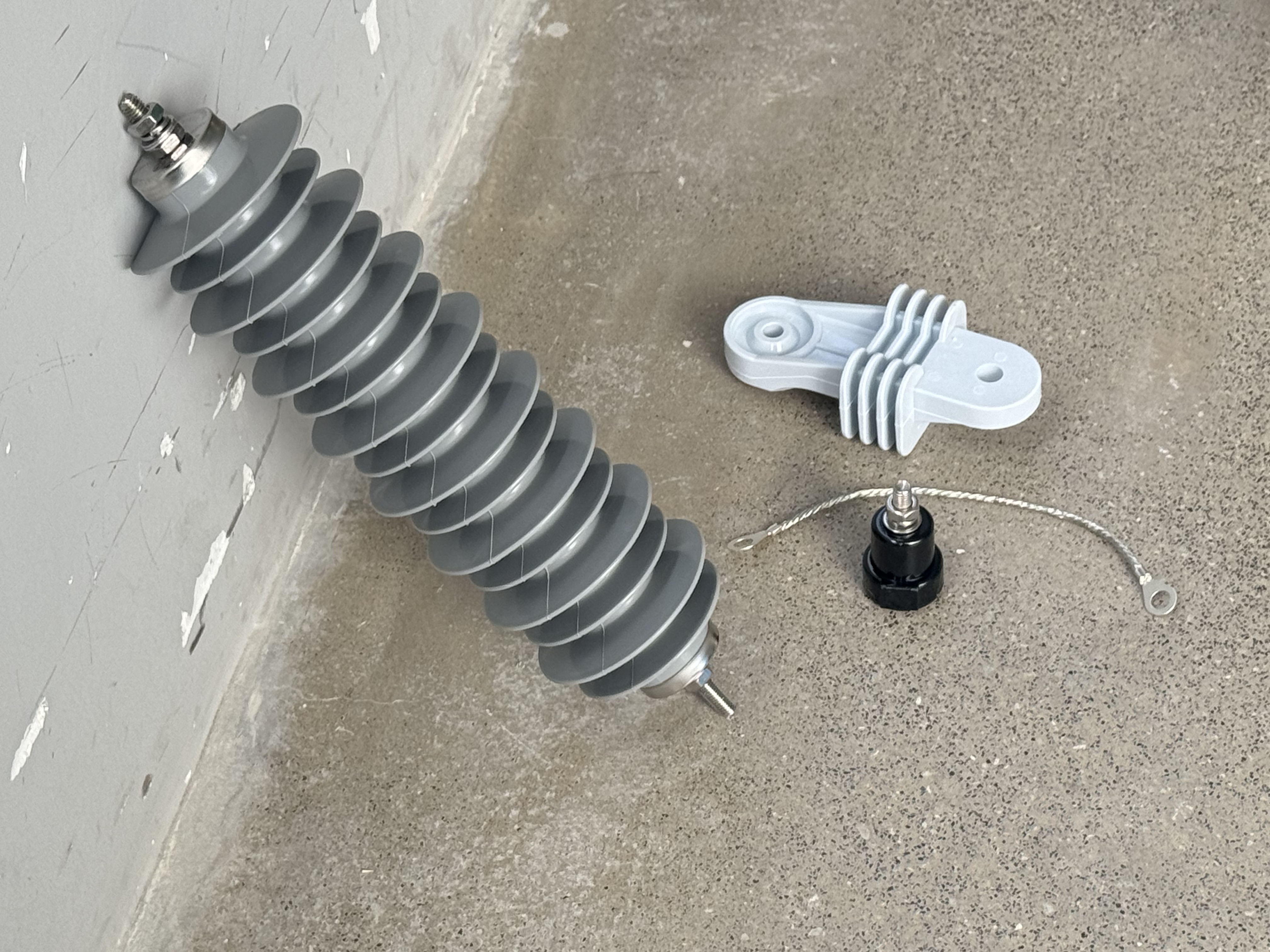
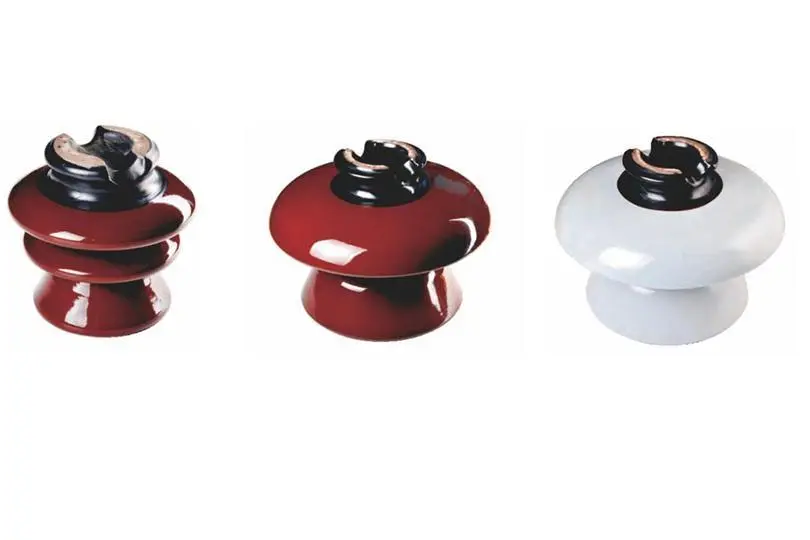
We all know that composite post insulators are crucial components in the power transmission system, serving both insulation and mechanical support functions. However, these insulators can also have defects, which may lead to fractures and operational failures. Therefore, the inspection personnel of our company have summarized the causes of these fractures and how to detect the defects of the insulators.
Common Causes of Composite Post Insulator Cracking:
1.Environmental Pressure: Due to the fact that the post insulators are exposed to extreme weather conditions such as ultraviolet radiation, temperature fluctuations, and humidity for an extended period, the material gradually ages and develops cracks.
2. Mechanical Stress: If your staff do not install the insulators correctly or if there is an excessive mechanical load, it will impose unnecessary stress on the insulators, leading to their rupture.
3. Manufacturing Defects: If there are flaws during the manufacturing process, such as bubbles or improper curing, it will weaken the strength of the insulator, making it more prone to rupture.
4. Electrical Stress: It is important to note that overvoltage conditions may cause electrical discharge, which will erode the surface of the insulator and create a path that leads to failure.
5. Chemical Substance Exposure: We all know that contact with corrosive substances can damage the composite material, thereby causing defects in the structure.
To mitigate the risk of insulator cracking, several preventive measures can be implemented:
1.Regular inspections: Your staff can conduct routine visual inspections and electrical checks to detect signs of wear or damage as early as possible. Advanced technologies such as infrared thermal imaging and ultrasonic testing can be employed for a more comprehensive assessment.
2.Environmental protection: At the same time, the insulators can be treated with protective coatings to prevent them from being exposed to ultraviolet radiation and moisture erosion. Ensure a good drainage system to prevent water accumulation.
3.Correct Installation: Follow the installation guidelines provided by our company to avoid mechanical stress. This will ensure that the insulator is adequately supported and maintained in the correct alignment.
4.Monitoring System: You can set up a real-time monitoring system to detect electrical abnormalities and environmental changes that may affect the performance of the insulator.
5.Training and Awareness Enhancement: It is also very important to provide training to your maintenance personnel to familiarize them with insulator maintenance and the signs of possible defects.