

 Send Email
 Phone
Phone whatsapp
 Wechat
 Whatsapp

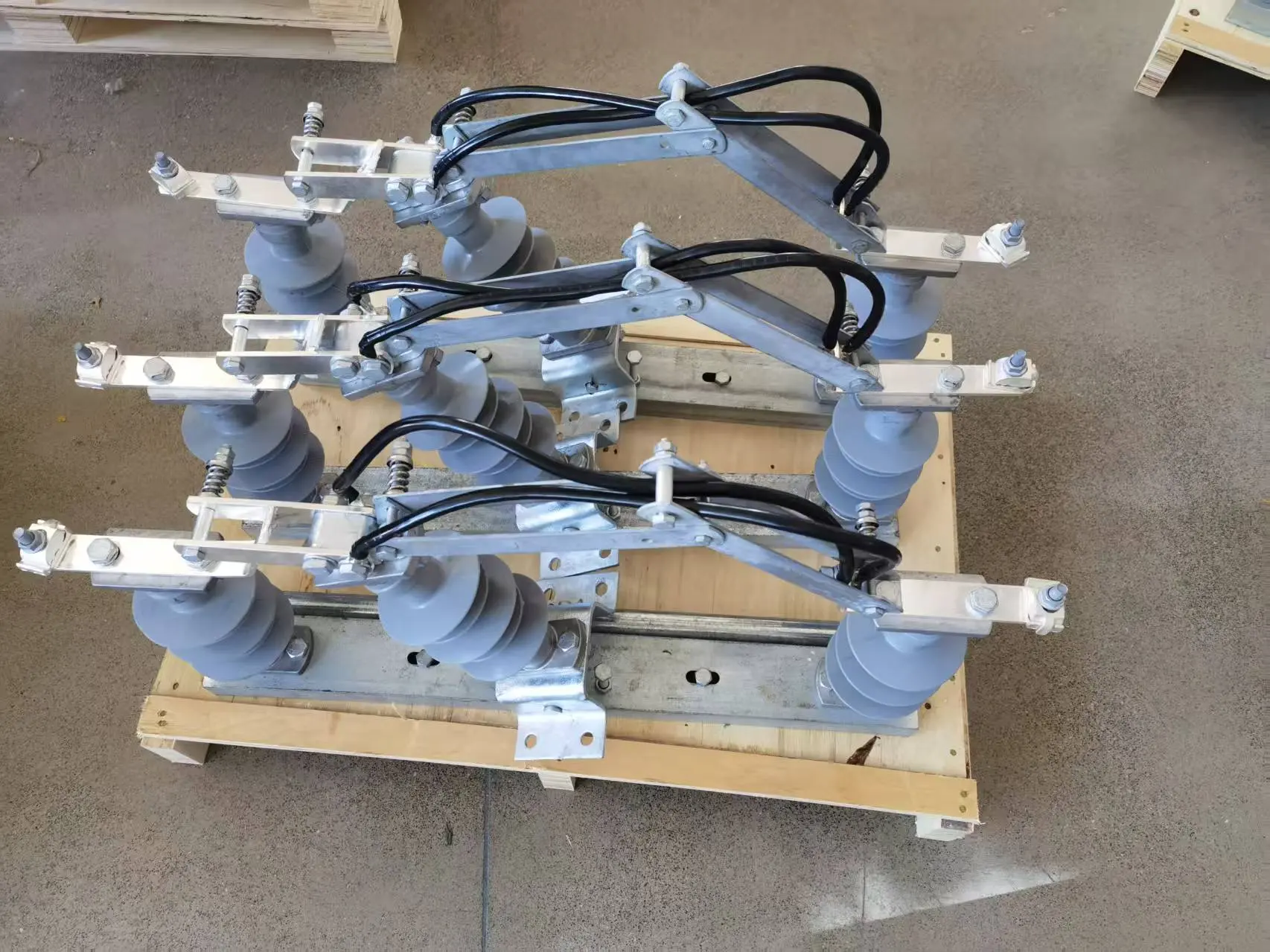

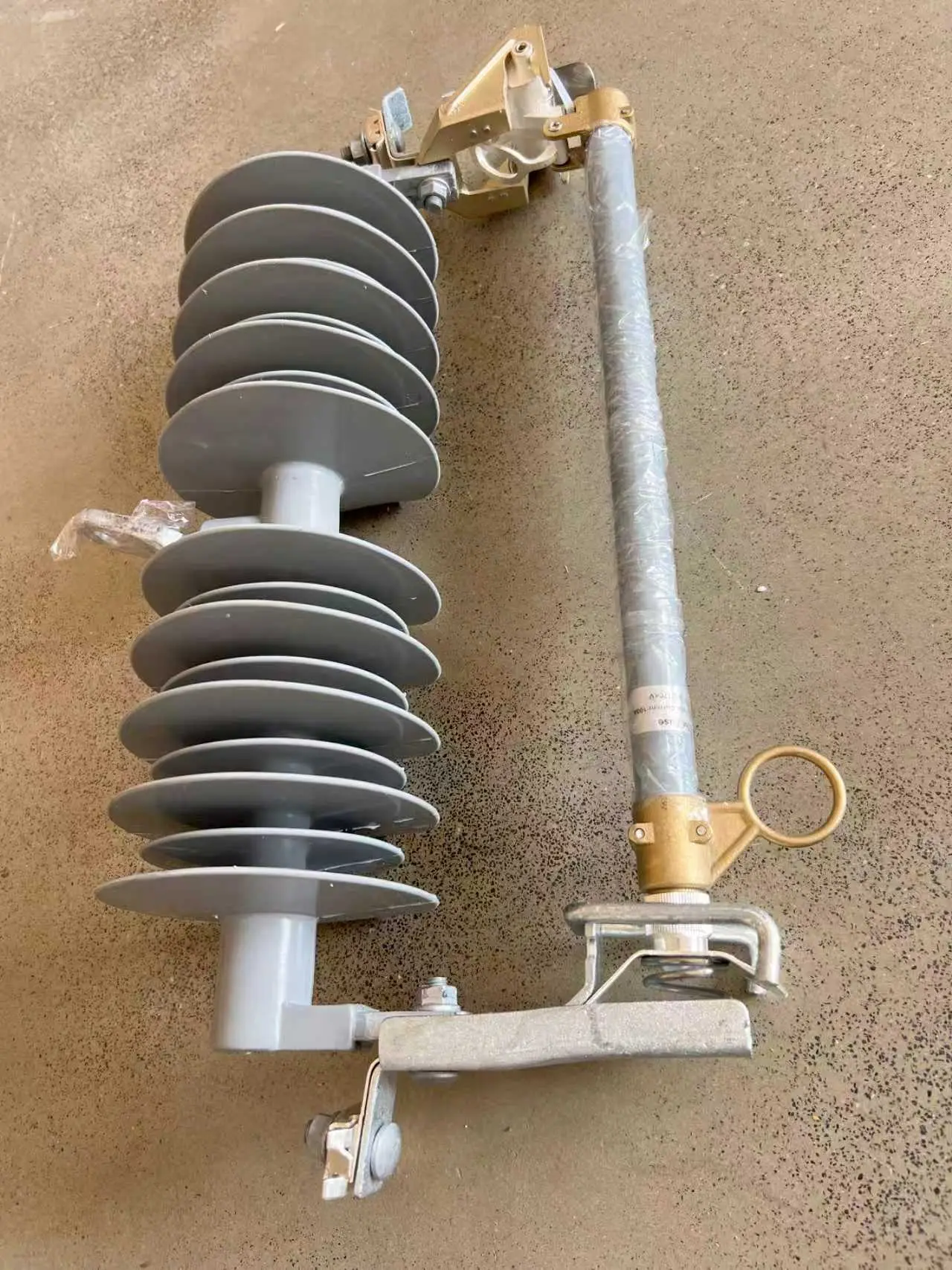
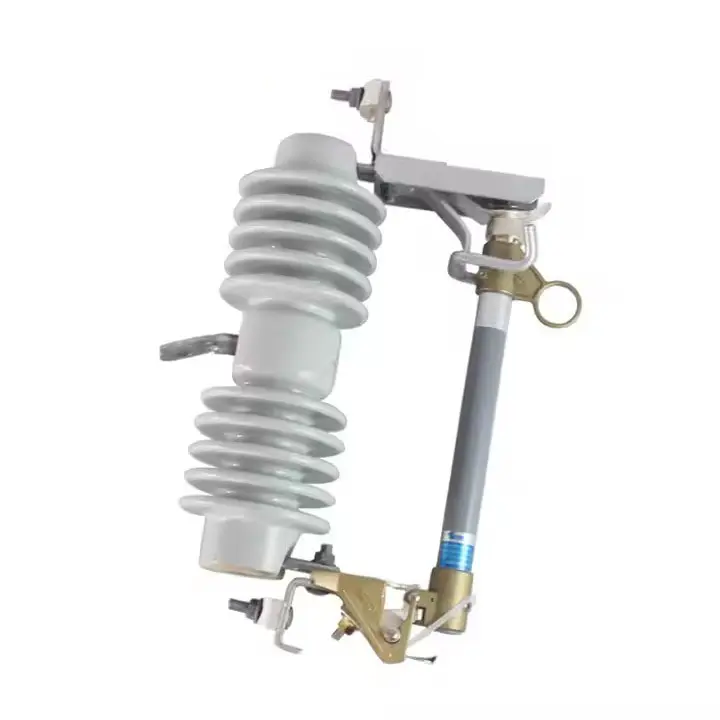
What should be done if the drop-out fuse frequently blows? 6 possible causes of the fault
Common causes of damage to drop-out fuses.
1. **Overcurrent condition**: We all know that overcurrent is one of the main reasons for fuse damage. When the current exceeds the fuse's rated capacity, an overcurrent situation occurs. This can be caused by equipment failure, short circuits, or excessive circuit load.
2. **Voltage surge**: High voltage spikes can cause the fuse to melt. As we know, surges can be caused by lightning strikes, grid fluctuations, or sudden changes in load. Therefore, if the fuse we install cannot handle these surges, it may cause the fuse to fail immediately.
3. **Environmental factors**: Of course, fuses are also affected by environmental conditions, such as humidity, extreme temperatures, and dust accumulation. We all know that these factors can cause corrosion or degradation of the fuse material, making it more prone to failure. Therefore, we need to pay special attention to environmental issues.
4. **Aging and wear**: Over time, fuses deteriorate due to thermal cycling and mechanical stress. We need to ensure the validity of the fuse, as aged fuses may not function properly, leading to premature tripping or failure.

5. **Incorrect installation**: Incorrect installation of fuses can result in poor connections, which may lead to overheating and eventual failure. Therefore, we need to ensure that fuses are installed according to the manufacturer's specifications.
6. **Faulty equipment**: Sometimes, the problem is not with the fuse itself, but with the connected equipment. We can check if the equipment has any issues, as faulty devices can generate excessive current, causing the fuse to trip frequently or fail.