
 Send Email
 Phone
Phone whatsapp
 Wechat
 Whatsapp

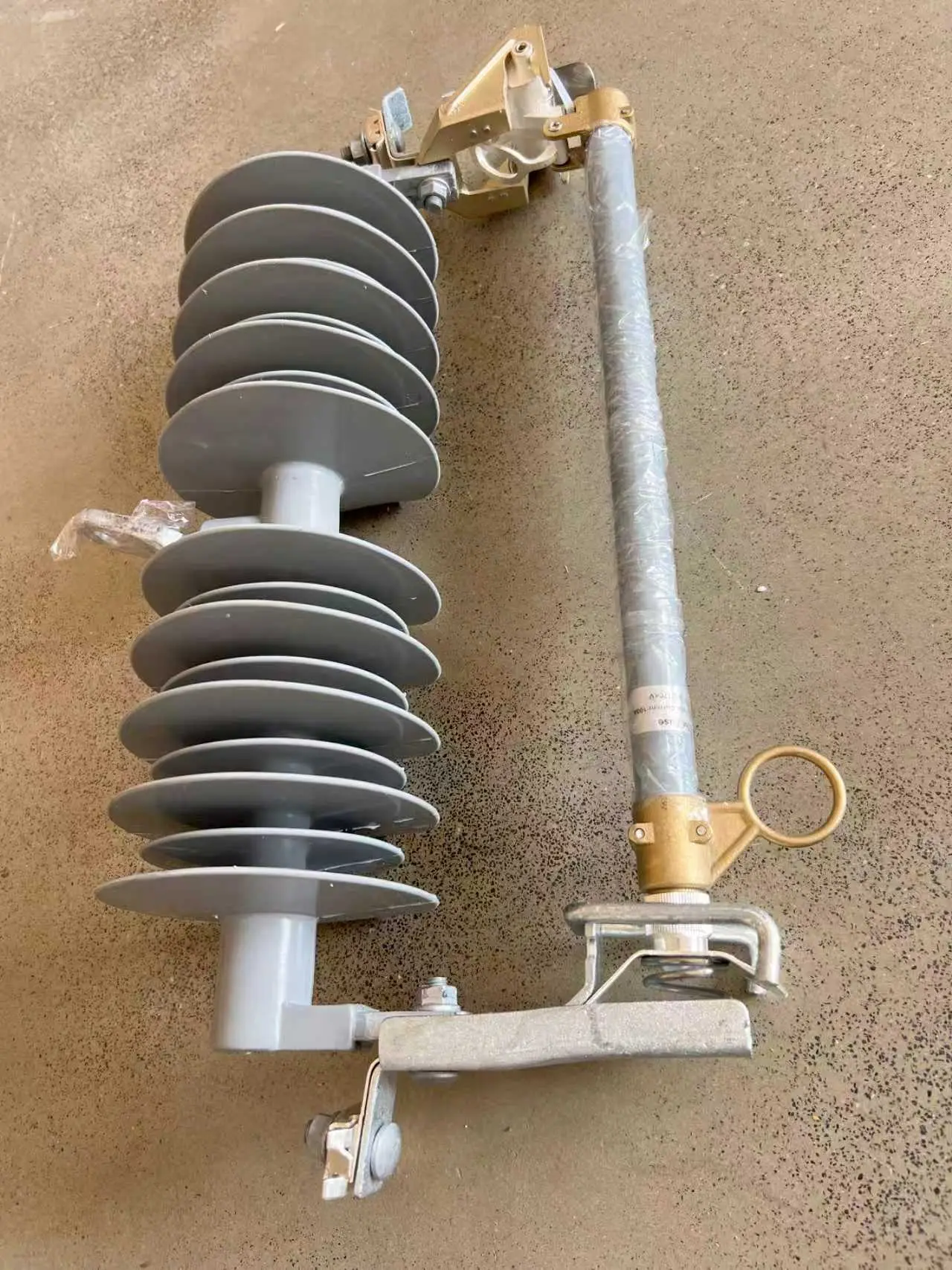
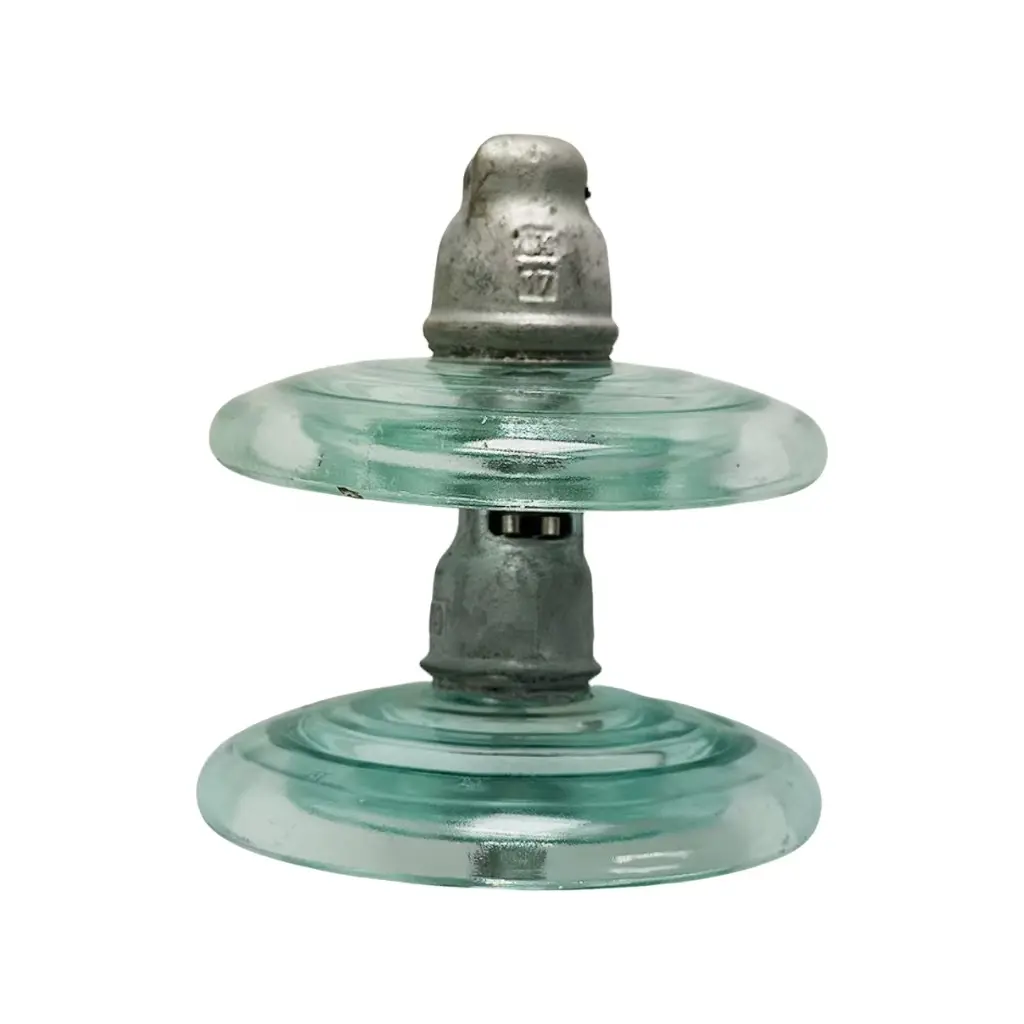
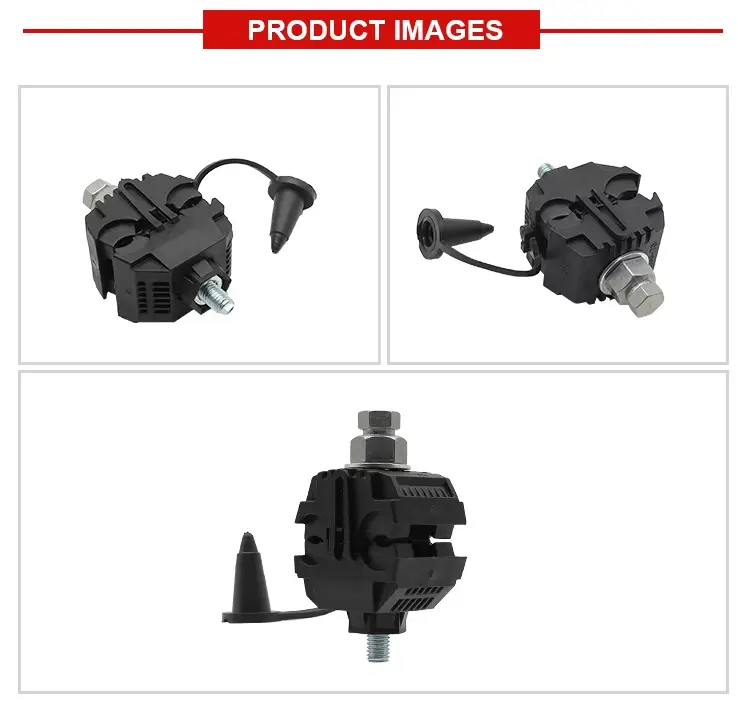
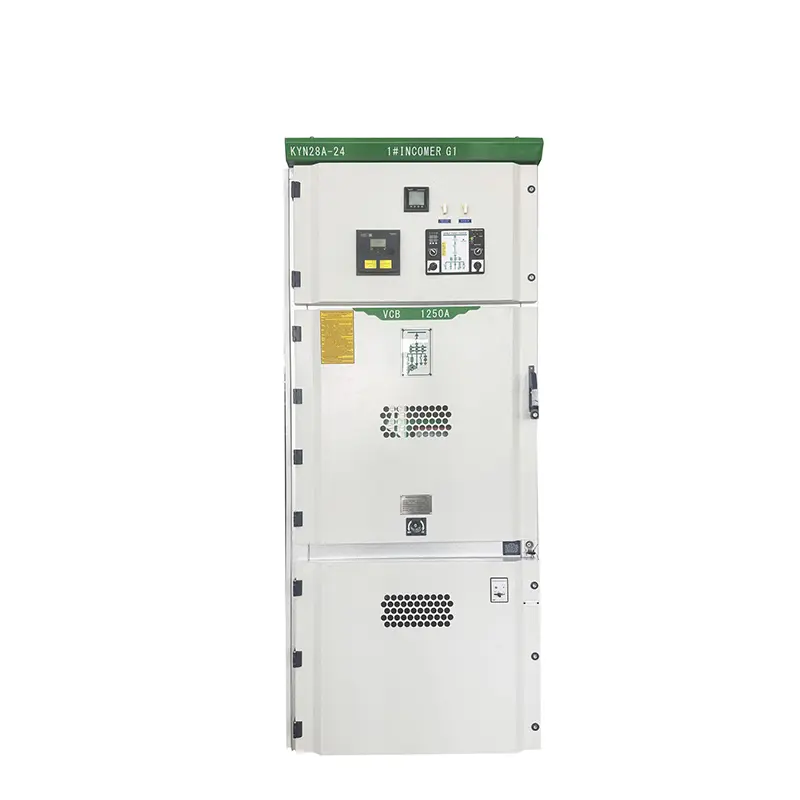
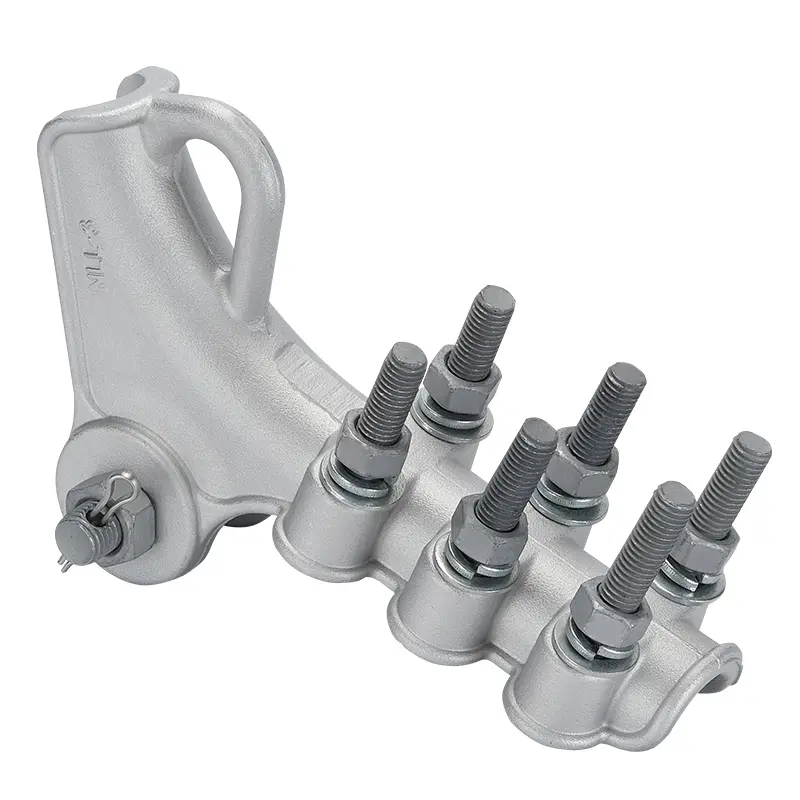
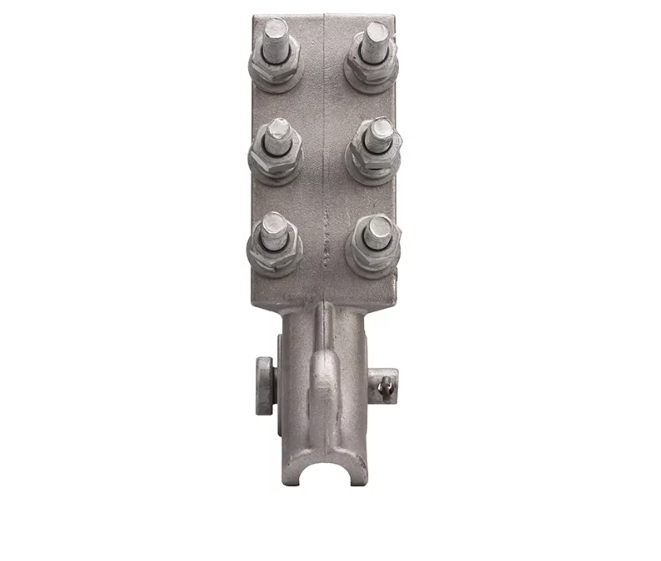
Selection of tension clamp specifications in high-voltage transmission scenarios (for infrastructure projects in Europe and America)
It is well known that in the field of high-voltage power transmission, choosing the appropriate tension clamp can ensure the reliability and safety of the power infrastructure.
The tension clamp we designed enables the conductor to remain in a tensioned state, preventing it from sagging or loosening due to environmental factors such as wind, ice and thermal expansion. Of course, our tension clamp is also very sturdy and can withstand huge mechanical loads, and even provide electrical connections.
Key Specifications for Tension Clamps
1. **Material Composition**: The commonly used tension clamp materials in our company include aluminum, steel, and composite materials. The aluminum clamp is lightweight and corrosion-resistant, suitable for various environmental conditions. The steel clamp, although heavier, has higher strength and is a better choice in extreme weather conditions.
2. **Load-bearing Capacity**: As is well known, the load-bearing capacity of the tension clamp must be carefully evaluated based on the expected mechanical load in a specific transmission scenario. This includes factors such as the weight of the conductor, environmental loads (such as wind and ice), and the overall design of the transmission line. Therefore, to ensure safety and reliability, we can produce clamps that exceed the maximum expected load according to customer requirements.
3. **Electrical Conductivity**: In high-voltage applications, the tension clamp must provide a low-resistance connection, which can minimize energy loss and prevent overheating. Therefore, the tension clamp we designed can promote good contact with the conductor and ensure that corrosion does not affect the electrical performance.
4. **Environmental Resistance**: Since the high-voltage transmission lines are located outdoors, the tension clamps must be suitable for various environmental factors, including ultraviolet radiation, moisture, and temperature fluctuations. In projects in Europe and the United States, we usually apply coating treatment to the tension clamps or manufacture them from more corrosion-resistant materials.
5. **Adherence to Standards**: We all know that there are specific standards and regulations for infrastructure projects in Europe and the United States. In Europe, the EN 50182 standard outlines the requirements for tension clamps, while in the United States, the ANSI C119.4 standard provides guidelines for the design and testing of such components. Therefore, we all adhere to these standards when manufacturing tension line clamps.
In infrastructure projects in Europe and America, the selection of tension clamp specifications in high-voltage transmission scenarios is of great significance. Therefore, our company will comprehensively consider factors such as the material composition, load-bearing capacity, conductivity, environmental tolerance, and compliance with relevant standards of the tension clamp.