

 Send Email
 Phone
Phone whatsapp
 Wechat
 Whatsapp

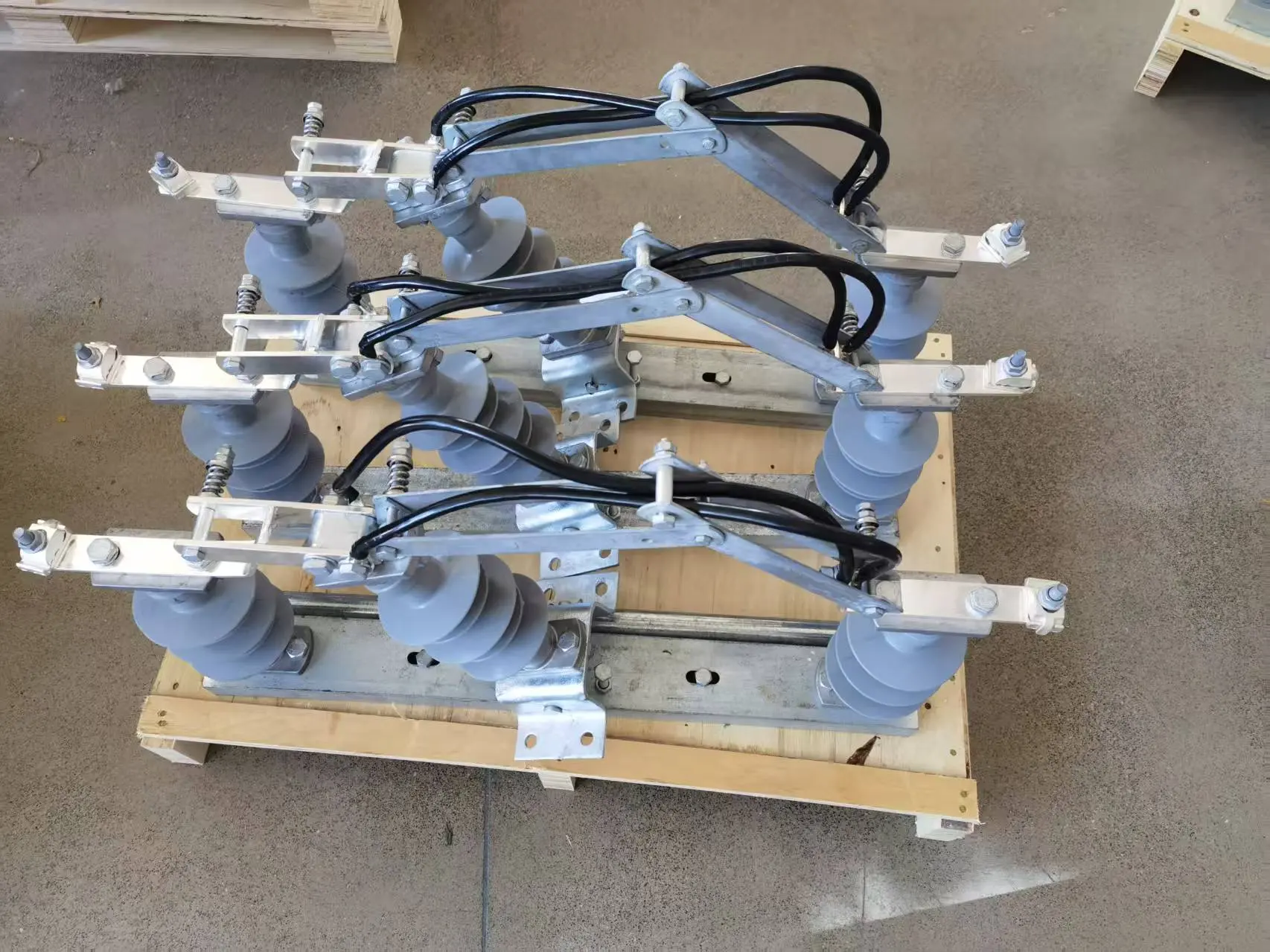
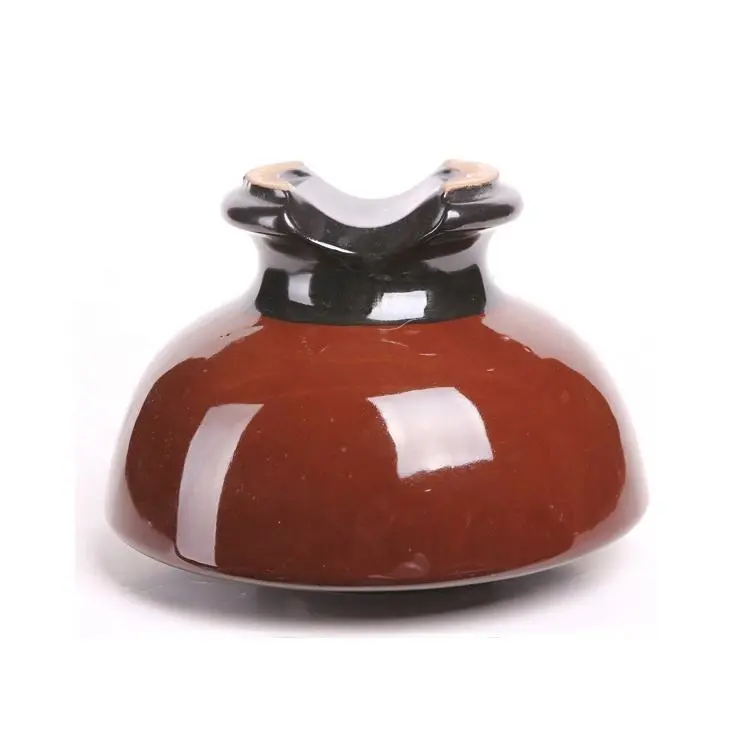
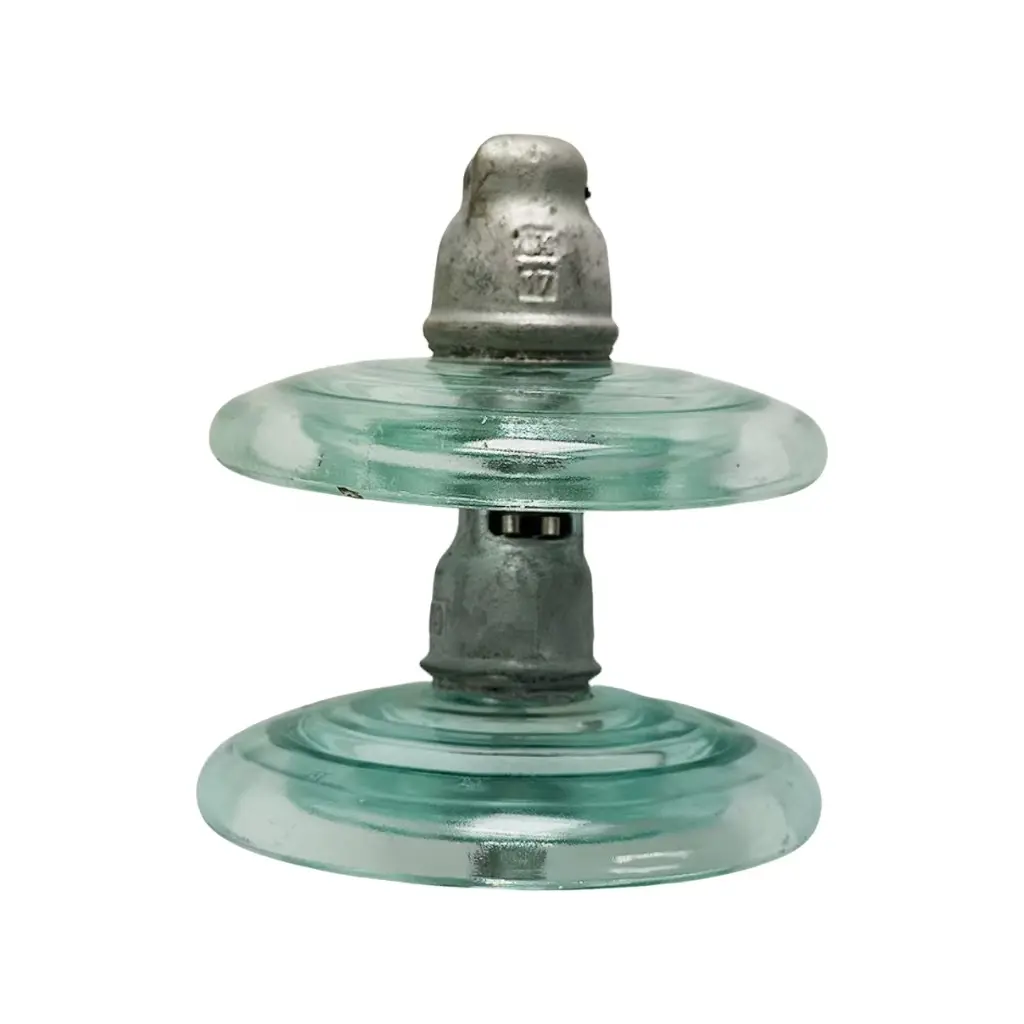
How to Select Drop-Out Fuse Cutout for Power Distribution Systems – Full Guide
Fuse Cutout Manufacturer
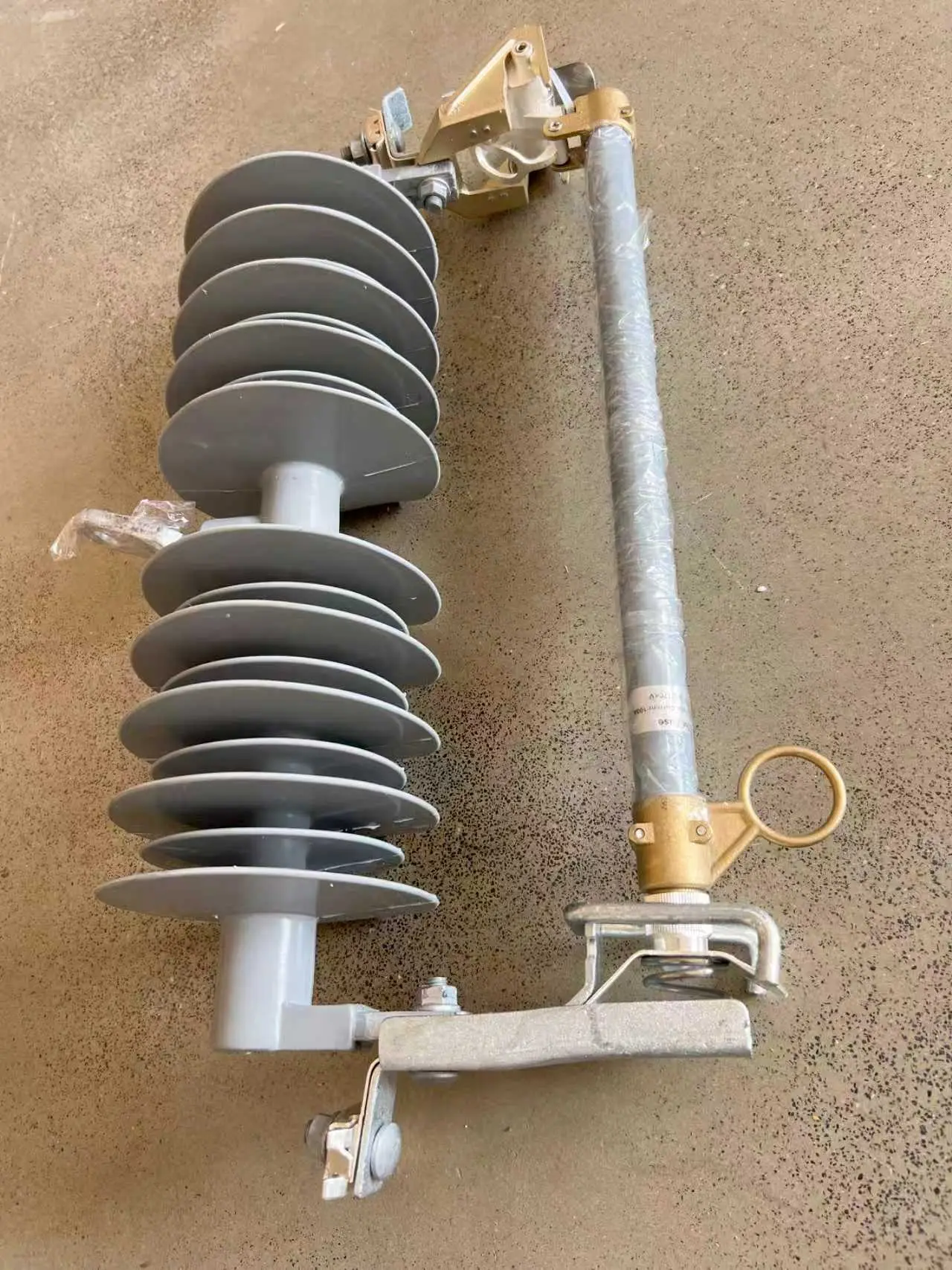
Zhejiang Shuangfeng Electrical Co., Ltd. manufactures and supplies fuse cutouts and fittings for overhead power distribution systems.The drop-out fuse is essentially a "safety switch" on high-voltage power lines. It is mainly installed on utility poles to protect the power lines and transformers from being damaged.During normal operation, the fuse tightens the fuse tube to keep it closed, allowing the current to pass normally. When a short circuit or overload occurs in the circuit, an excessive current will melt the fuse, and the electric arc gas generated inside the fuse tube will push the fuse tube. At the same time, the fuse loses its tension, and the fuse tube will fall under the effect of its own gravity, thus cutting off the faulty circuit and forming a visible break point that is easy for maintenance personnel to identify the circuit status and avoid the risk of live work. 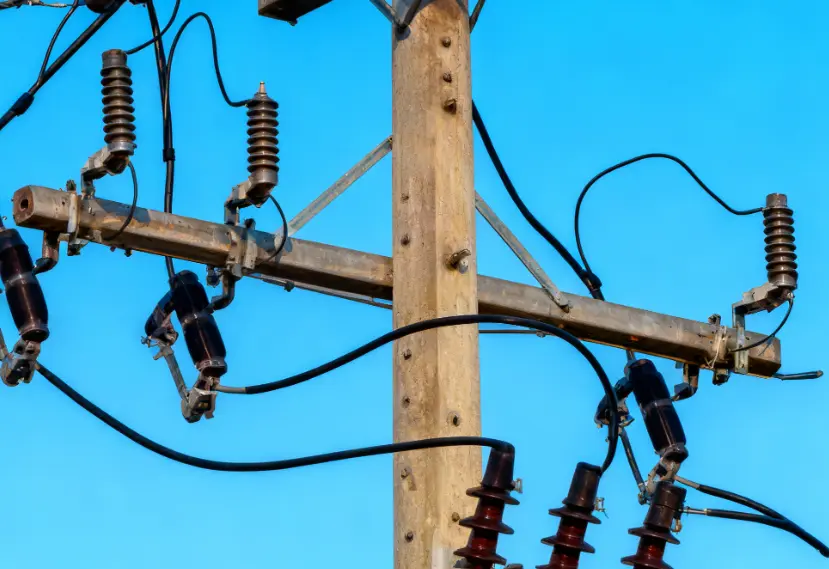
Components of drop-out fuses
1. Insulating Support (Insulating Column)
Function: As the fundamental supporting component of the entire equipment, it also performs the electrical insulation function, isolating the live parts from the ground (or the grounding cabinet) to prevent electrical leakage from causing safety accidents.
2. Fuse Tube (Fusing Tube)
Function: The core protective component, with a fuse encapsulated inside. When there is overloading or short circuit in the circuit, the fuse melts, generating an electric arc. The high temperature causes the gas-producing material (such as the fiber tube) inside the fuse tube to decompose, producing high-pressure gas, which quickly extinguishes the arc; at the same time, after the fuse melts, the fuse tube automatically drops under the force of gravity, forming a distinct power-off gap.
3. Fuse (Fuses)
Function: Current-sensitive component, it is the "core protection element" of drop-out fuses. When the line current exceeds the rated value (overload) or reaches the short-circuit current, the fuse will melt within the specified time, cutting off the circuit.
4. Upper and Lower Connection Terminals
Function: To achieve electrical connection between the drop-out fuse and external circuits. The upper terminal is connected to the power side (input), and the lower terminal is connected to the load side (output). It is necessary to ensure stable current transmission and low contact resistance.
5. Operating Mechanism
Function: Controls the "closing" and "falling" states of the fuse tube, serving as the key mechanism for achieving manual operation and automatic falling. It mainly consists of a duckbill (fixed end) and an hook (at the fuse tube end).
When choosing a drop-out fuse, there are several key factors to consider, including:
The selection of parameters is a crucial condition for drop-out circuit breakers. To meet the highest operating voltage requirements, for example, when a 10kV cable line is protected by a 12kV drop-out fuse, its rated voltage must match the voltage of the power system being protected. Or it must be higher than the system voltage; it cannot be lower than the system voltage.
At the same time, environmental adaptability cannot be ignored. For coastal and foggy areas, it is recommended to choose IP44 or above; the temperature range should be compatible with the local climate. For cold regions, select materials that can withstand low temperatures of -40℃ or below, and pay attention to the temperature rise of the conductive components in hot regions; the anti-wind design must meet the maximum wind speed in the local area to avoid accidental drop.