
 Send Email
 Phone
Phone whatsapp
 Wechat
 Whatsapp

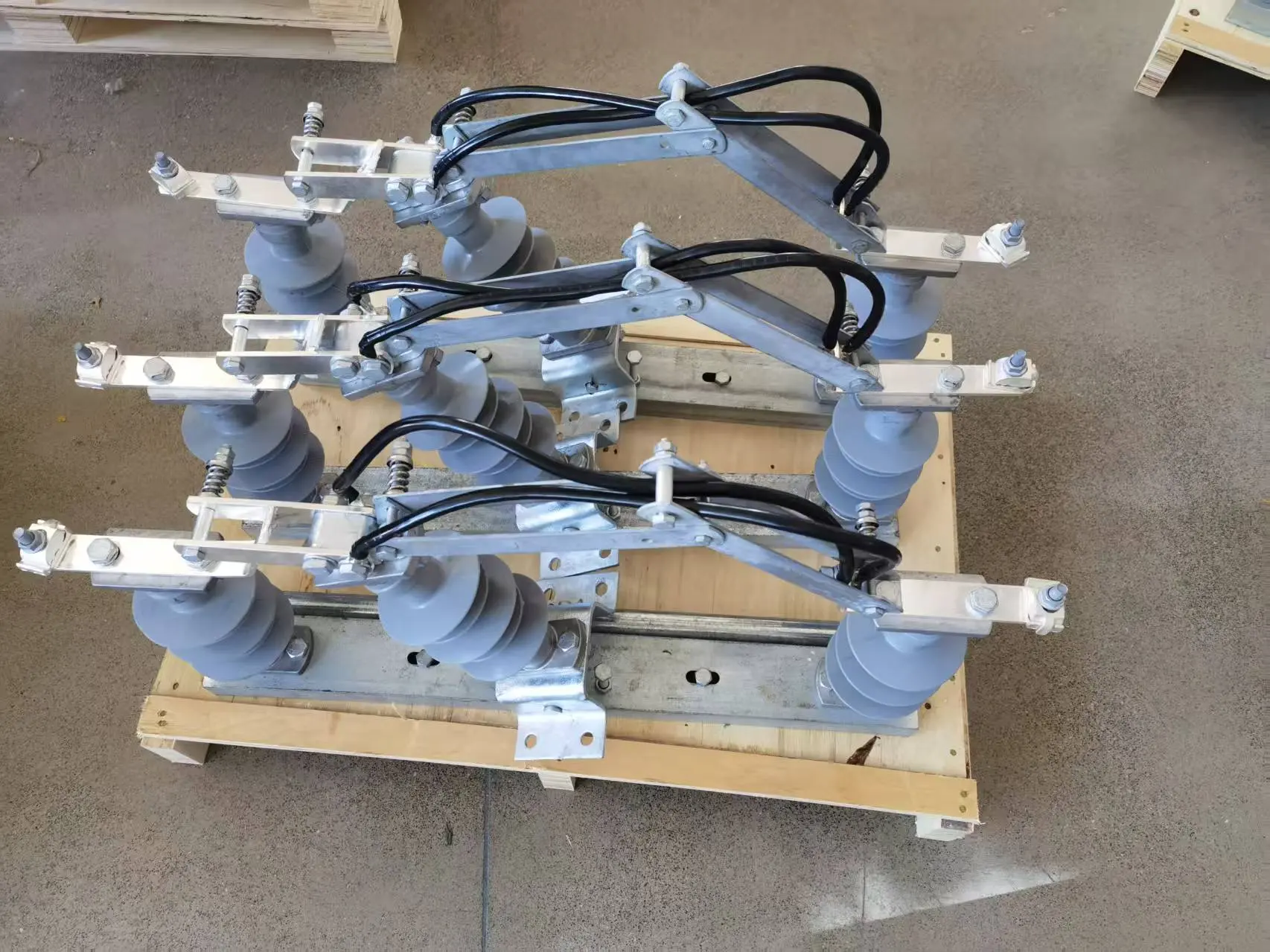

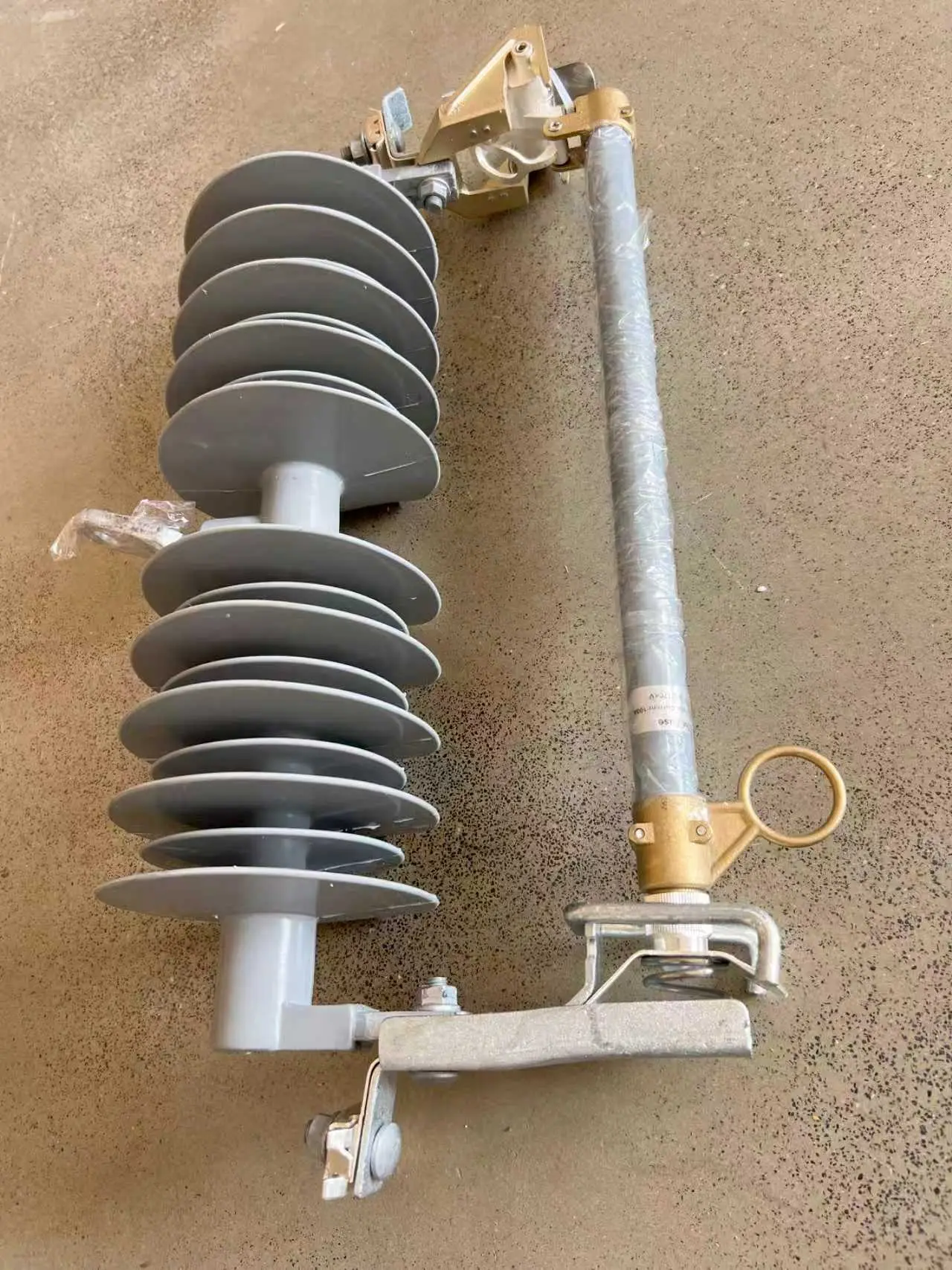
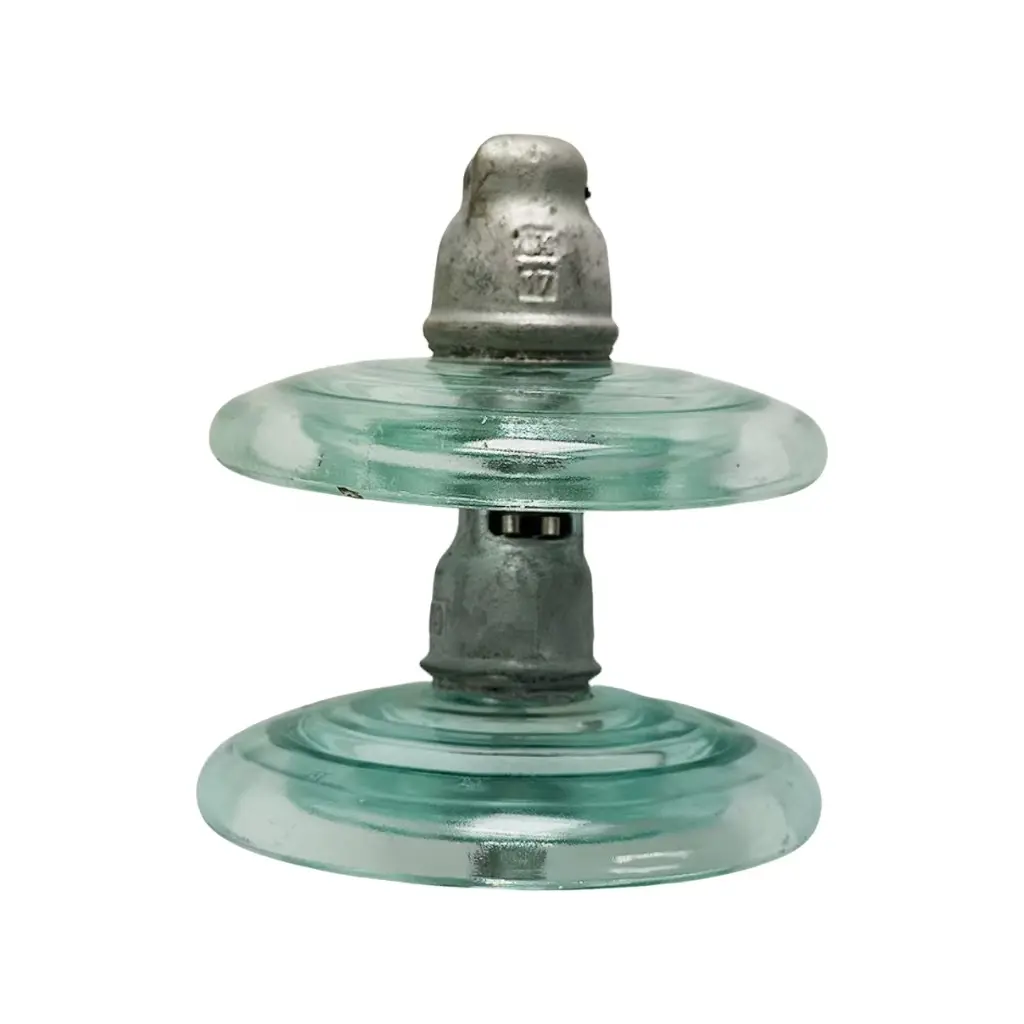
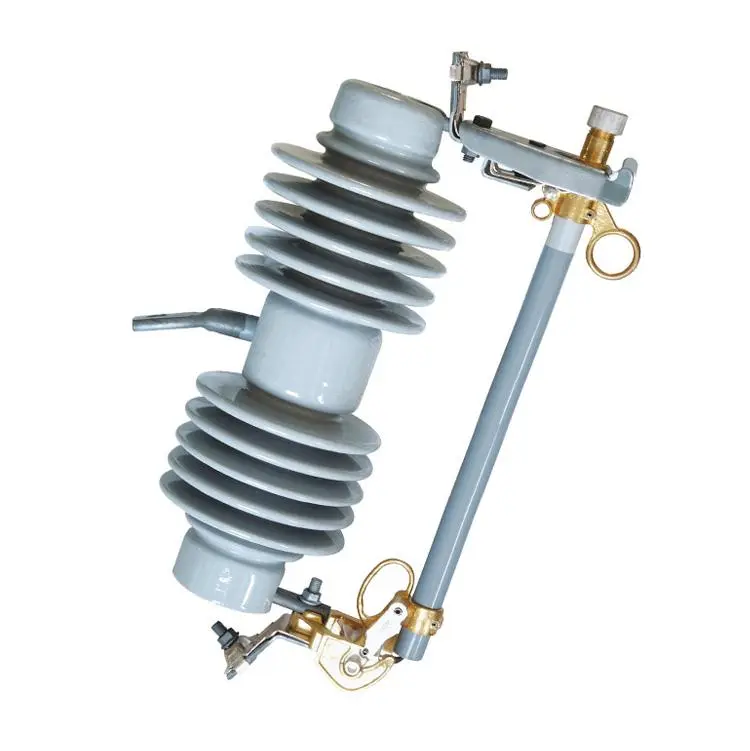
How to prevent the power grid from overloading when the fuse is disconnected under adverse weather conditions
Let's be realistic - bad weather is the biggest nightmare for the power grid. Desert sandstorms, coastal salt rot or Arctic freezing could all turn power transmission lines into a time bomb.
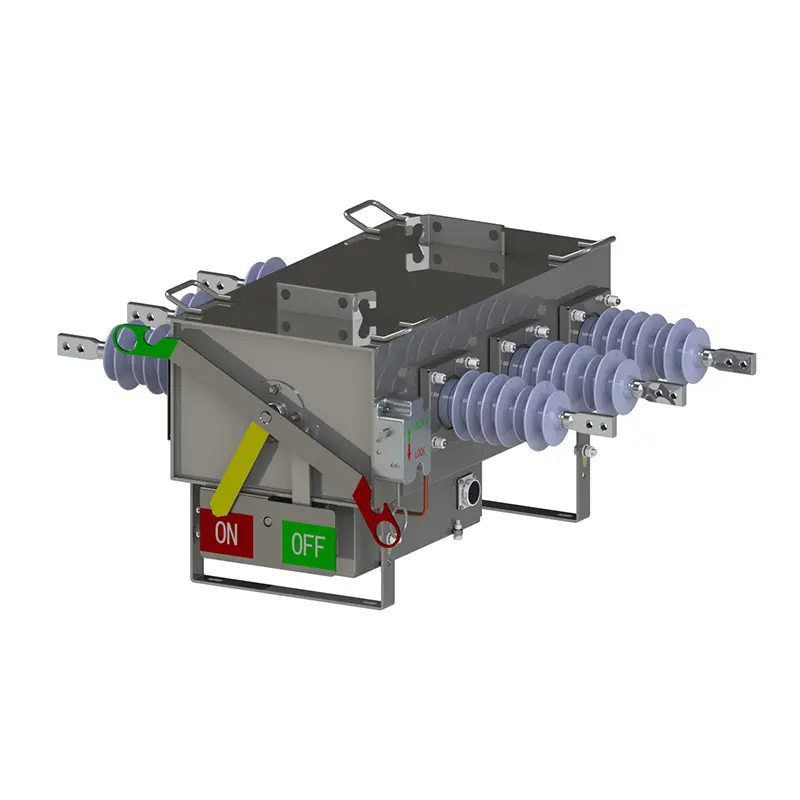
How does aDrop-out Fuse Cutout work (There is no fancy laboratory here) :
When power surges strike - such as a lightning strike in monsoon-dense Nigeria or a transformer meltdown in hot Arizona - the internal connection of the fuse can break. It really "falls out" of the circuit, cutting off the current even faster than the speed at which you say "power outage". No fireworks, just a complete breakup.
Have you ever seen a billboard being overturned by a strong wind in a storm and hitting a power line? The Drop-out Fuse Cutout is like the "emergency doctor" of the power grid - it constantly monitors current fluctuations. Once it detects an abnormally surging current peak,Drop-out Fuse Cutout will quickly cut off the problem area like lightning, just as firefighters resolutely cut off burning cables to prevent the fire from spreading. Rather than waiting for faults to bring down the entire power grid, it is better to make it a "safety knife switch" to protect the circuits, and build a firewall for the entire power system with precise "local isolation".
But there is a problem here
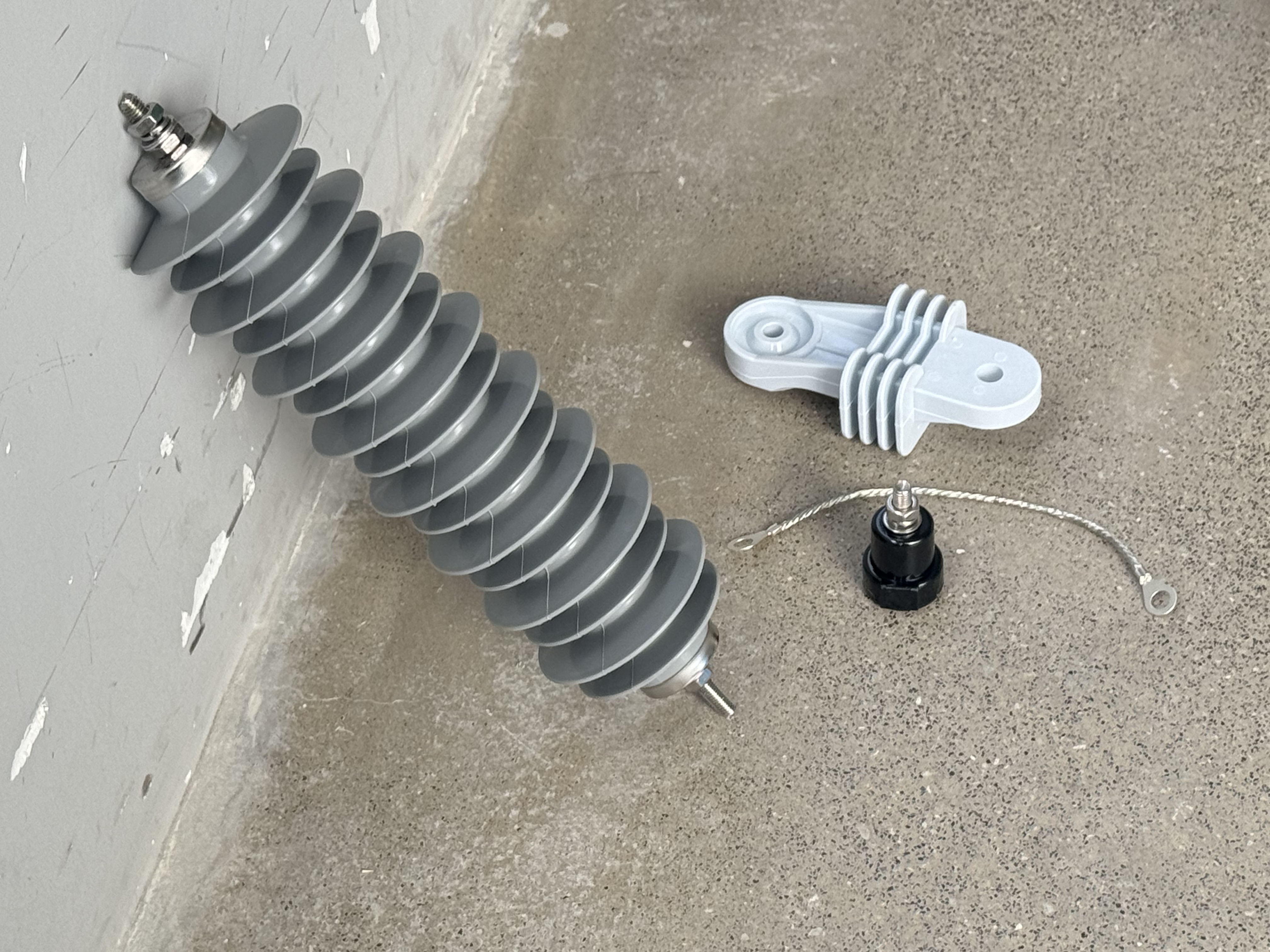
Cheap counterfeits will collapse in extreme weather. A legal solution for cutting off fuses in high-voltage power grids needs to be adjusted according to specific weather conditions, such as providing a wider arc gap for areas prone to lightning strikes, or offering an anti-ultraviolet coating for desert sunlight. Professional tip: Pair them with lightning arresters, unless you enjoy replacing the transformer monthly.