

 Send Email
 Phone
Phone whatsapp
 Wechat
 Whatsapp

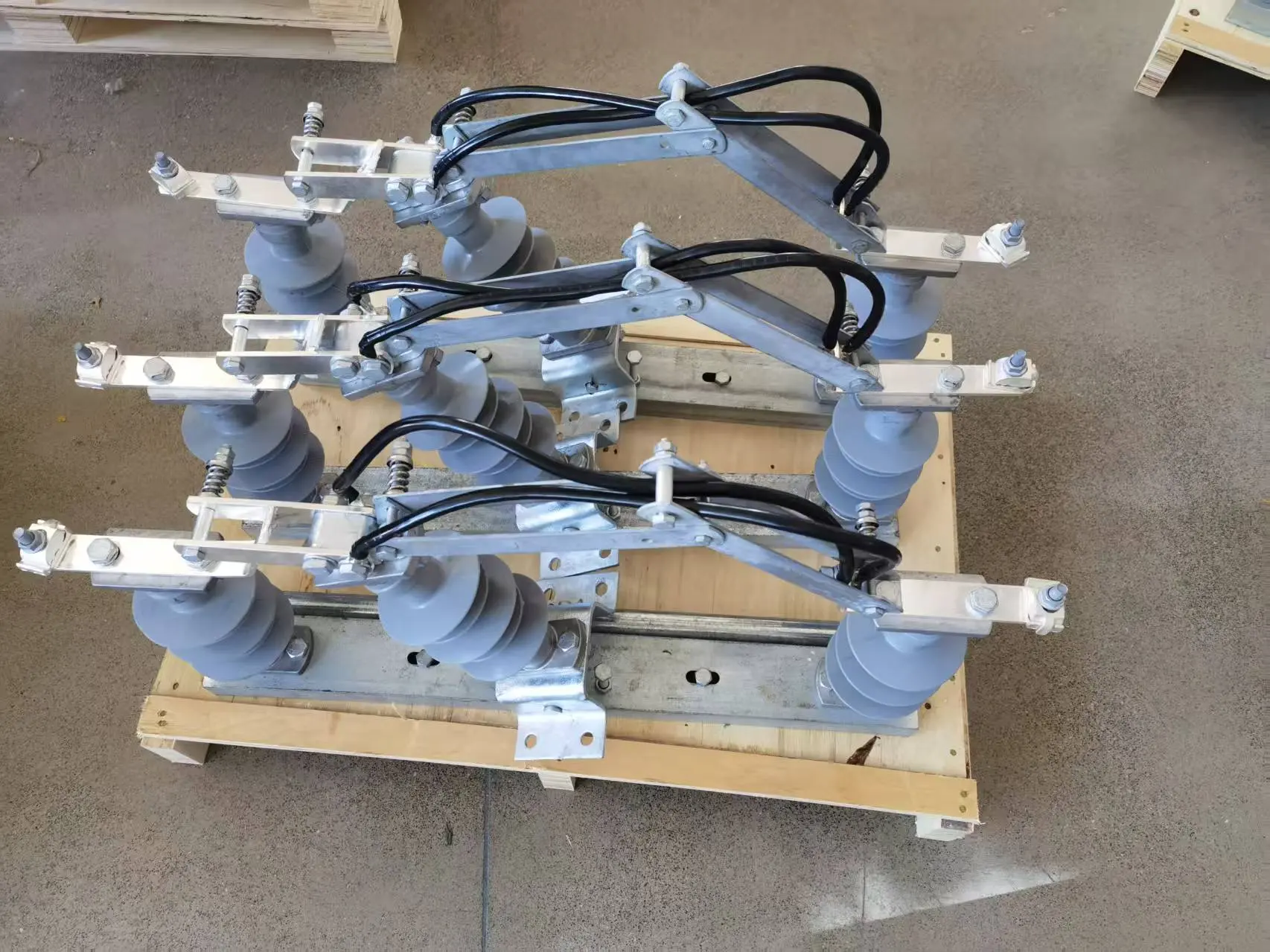
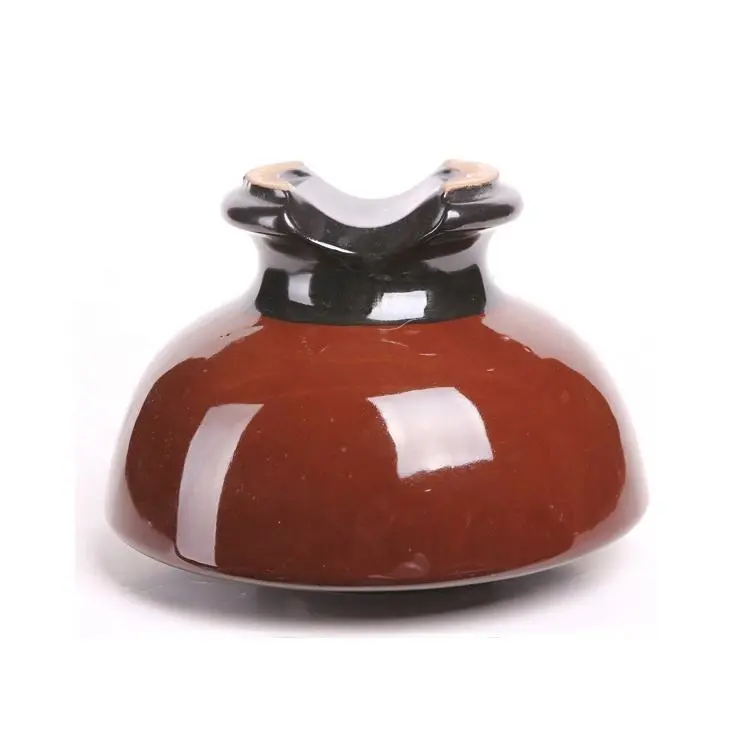
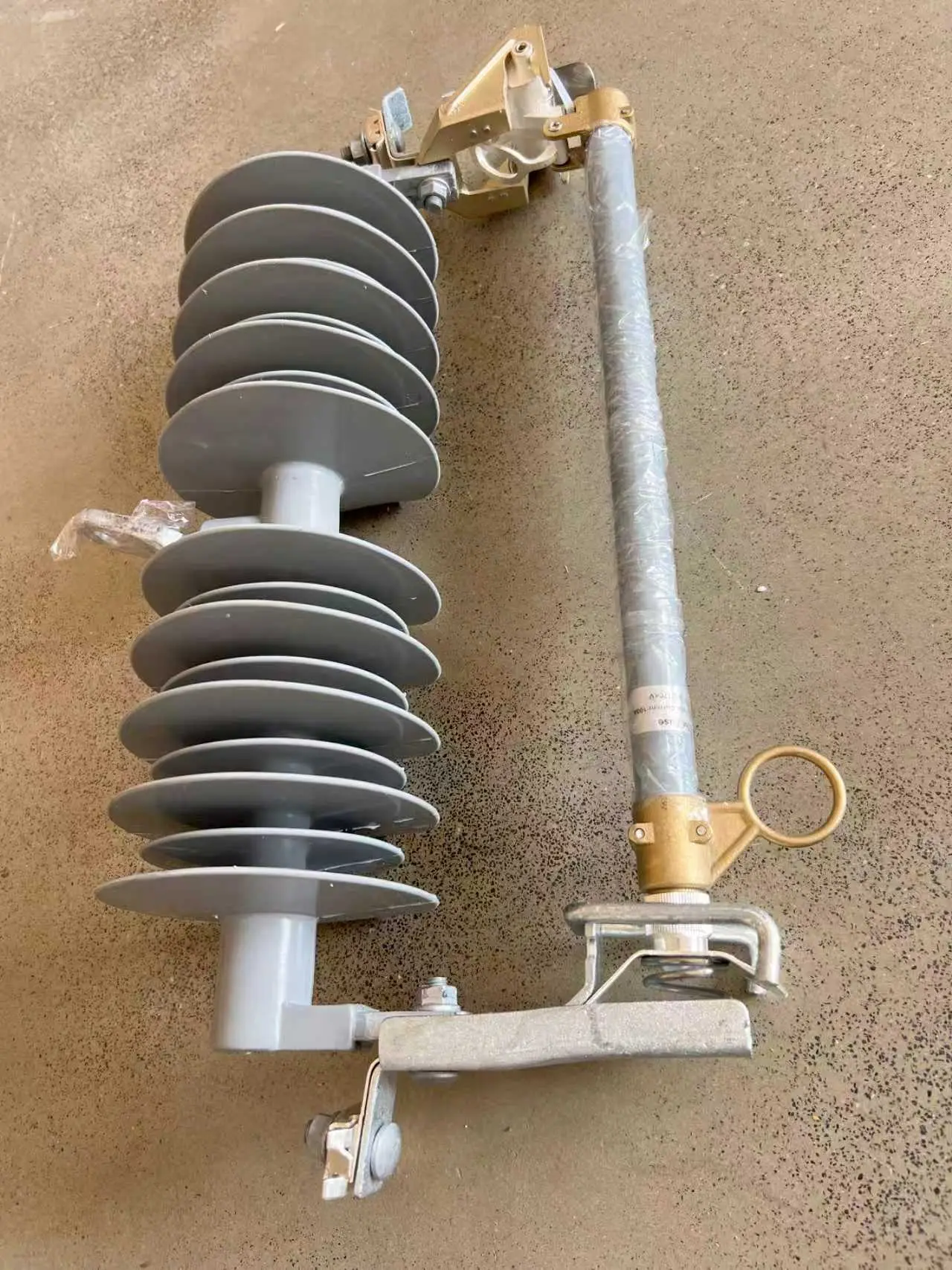
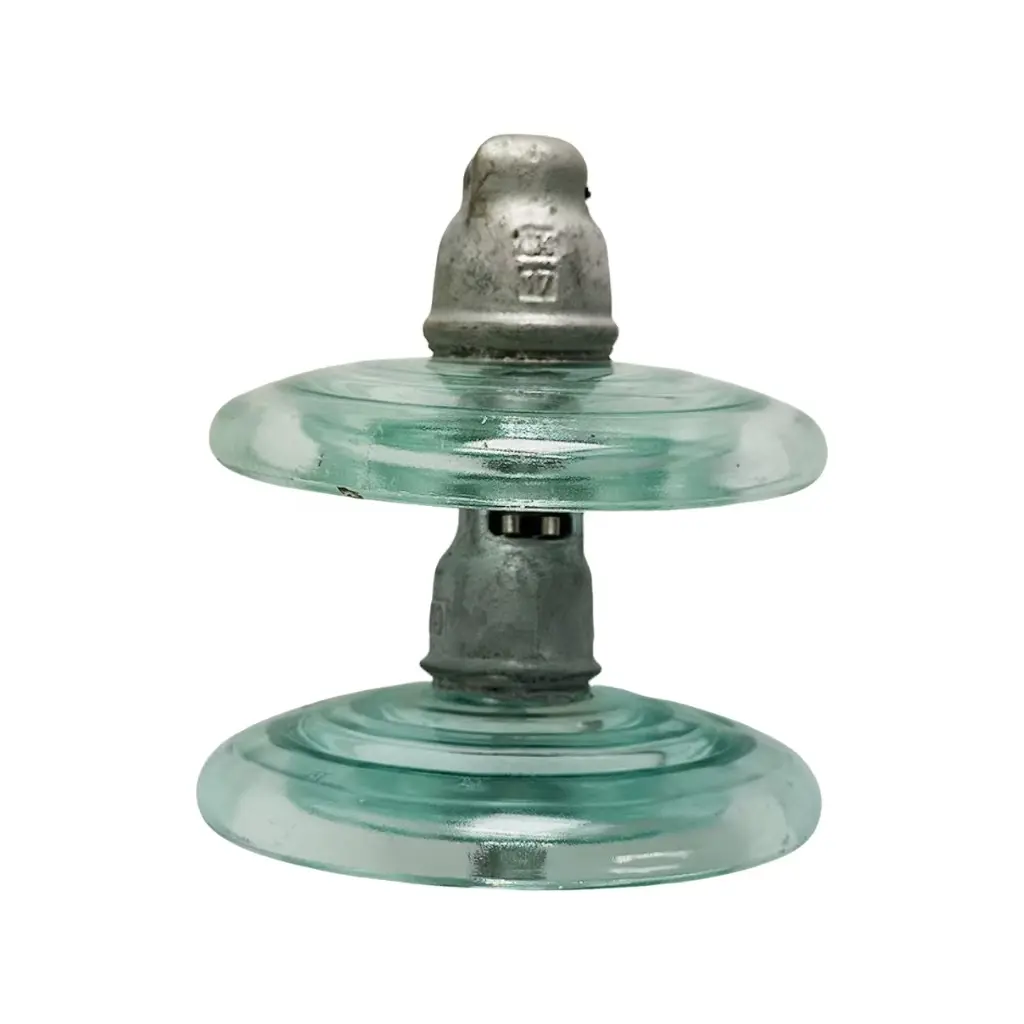
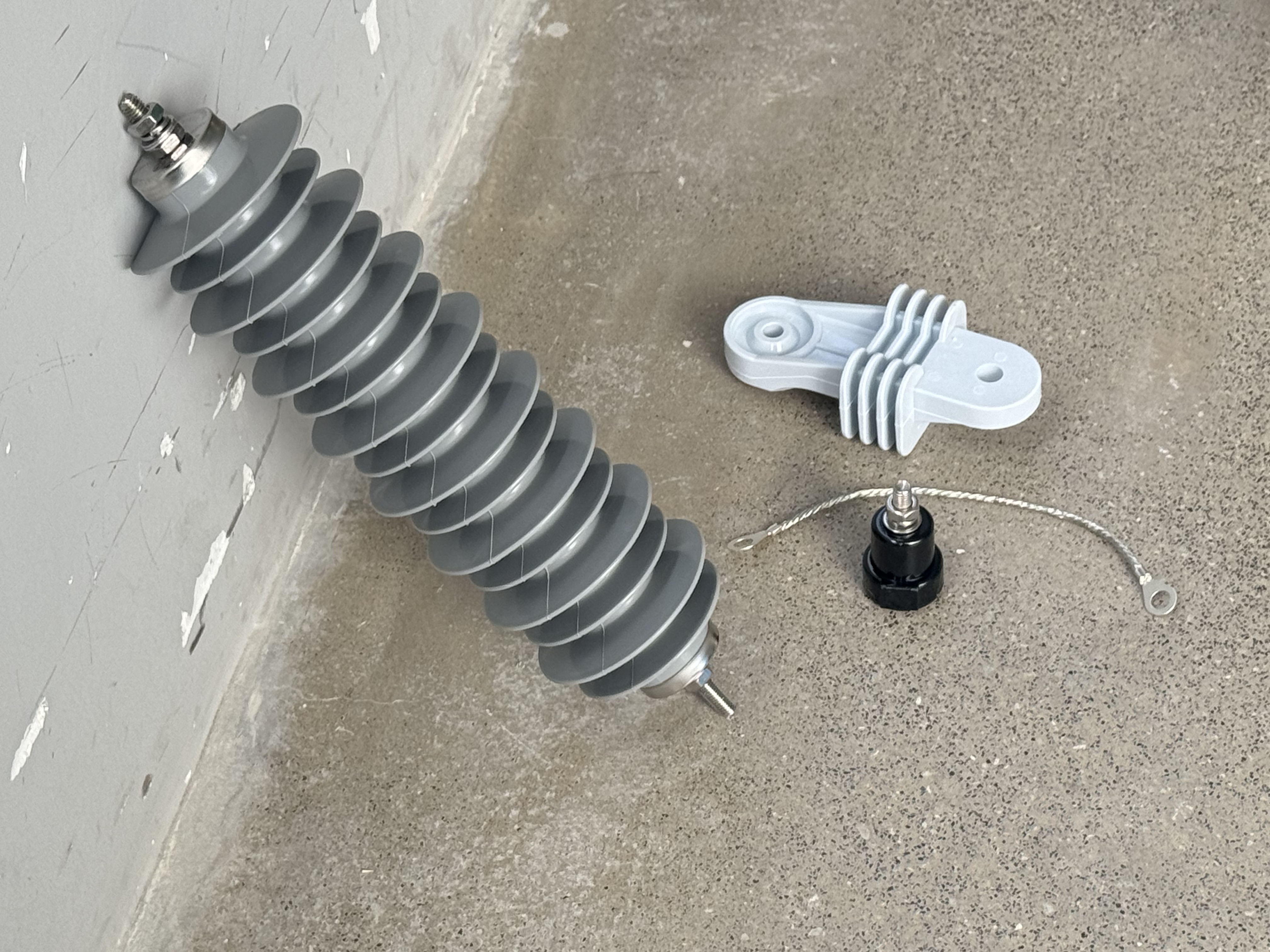
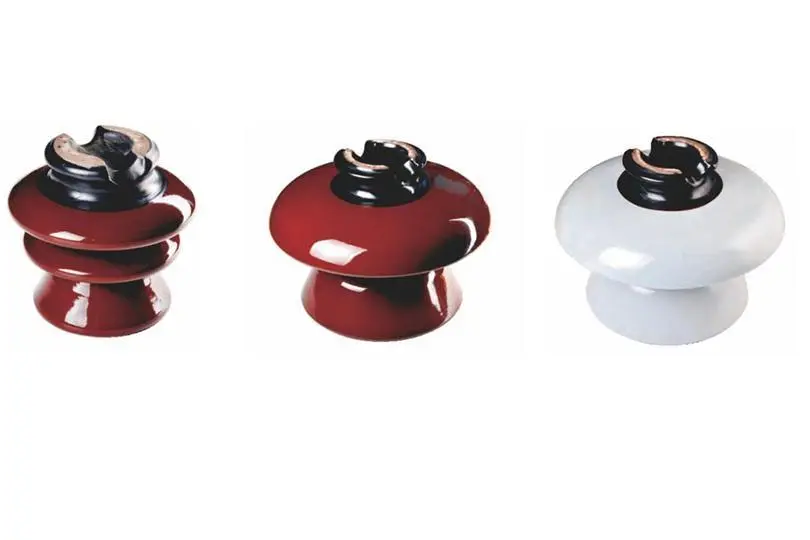
Comparison between composite rubber insulators and ceramic insulators
In the field of lightning protection for power systems, although composite insulator arresters and ceramic arresters have the same functional goals, they show different differences in structure and performance:
Core structure and materials:
Ceramic lightning arrester: With high-performance zinc oxide resistor sheets as the core, it is wrapped with a ceramic shell on the outside.
Composite lightning arrester: It also uses zinc oxide resistance sheets, but its external protective sleeve is made of high-temperature vulcanized silicone rubber, and the internal part is usually combined with glass fiber resin rods to provide mechanical strength. The silicone rubber umbrella skirt is its signature feature.
Core performance differences:
Weight and installation: The composite lightning arrester is significantly lighter than the ceramic lightning arrester, greatly reducing the installation burden. It is especially suitable for pole towers, space-constrained areas or long line applications.
Explosion-proof and safety: This is the key distinction. If the ceramic casing is subjected to a sudden increase in pressure due to internal faults, there is a risk of explosion and breakage. The flying porcelain shards may endanger the equipment and personnel. The silicone rubber outer jacket of the composite lightning arrester is elastic. When a fault occurs, it only bullies or cracks to release pressure, eliminating the potential explosion risk and significantly enhancing operational safety. Ceramic materials have good thermal conductivity. Under continuous operating voltage, the resistor plates inside the lightning arrester will generate a small amount of heat.
Stain resistance and self-cleaning: The hydrophobicity of the silicone rubber surface endows the composite lightning arrester with excellent stain flashover resistance. In damp and dirty environments, the water droplets on its surface are isolated, making it difficult to form a continuous conductive water film. The leakage current is small, the insulation performance is more stable, and the need for cleaning and maintenance is reduced.
The surface of ceramics is hard. Even if surface flashover or abnormal arcs occur, it has a strong resistance to ablation and will not be severely damaged or carbonized by arcs to form permanent conductive channels
Mechanical properties: The composite lightning arrester has better bending and impact resistance, and is less likely to be damaged during transportation and installation. At the same time, ceramic materials have a very high compressive strength in a specific direction. They perform exceptionally well in withstanding huge vertical pressures, such as the clamping force during installation, gravity during operation, and the electrodynamic force generated by short-circuit currents, ensuring a stable structure.
Typical application scenarios:
Ceramic lightning arresters: With mature technology and high reliability, they are widely used in fixed locations such as substations and power plants.
The ceramic outer jacket can more effectively conduct and dissipate this heat to the surrounding environment, which helps maintain the resistance sheet working at a lower and stable temperature, slows down its aging speed, and is beneficial to long-term stability
Composite lightning arrester: With its lightweight, high safety (explosion-proof), excellent pollution resistance and seismic resistance, it has become the preferred solution for transmission lines, distribution networks, electrified railways, mountainous areas with frequent lightning, high-pollution industrial zones and compact substations.
Therefore, both composite surge arresters and ceramic surge arresters have their own advantages and disadvantages. Choosing the right surge arrester for the appropriate scenario is the most important