
 Send Email
 Phone
Phone whatsapp
 Wechat
 Whatsapp






0102030405
2026 Copper Price Surge: Key Drivers & Industry Impact
2026-01-06
In early 2026, copper prices have surged sharply. LME three-month copper futures hit a historic high of $12,960/ton, while Shanghai copper main contract stood above 100,000 yuan/ton. This rally has significantly impacted the global copper industry chain, with core drivers and sectoral effects analyzed below.
1. Market Performance of the Surge
As of January 6, 2026, the price of copper in Shanghai has gone up by more than 34% compared to the same time last year. Over in London, copper prices have jumped even more dramatically – by over 42% – making it one of the best-performing commodities around right now.
This big price hike has also pushed up related stocks. All through 2025, the non-ferrous metal index rose by 92%, and the share prices of major players like Zijin Mining have doubled.
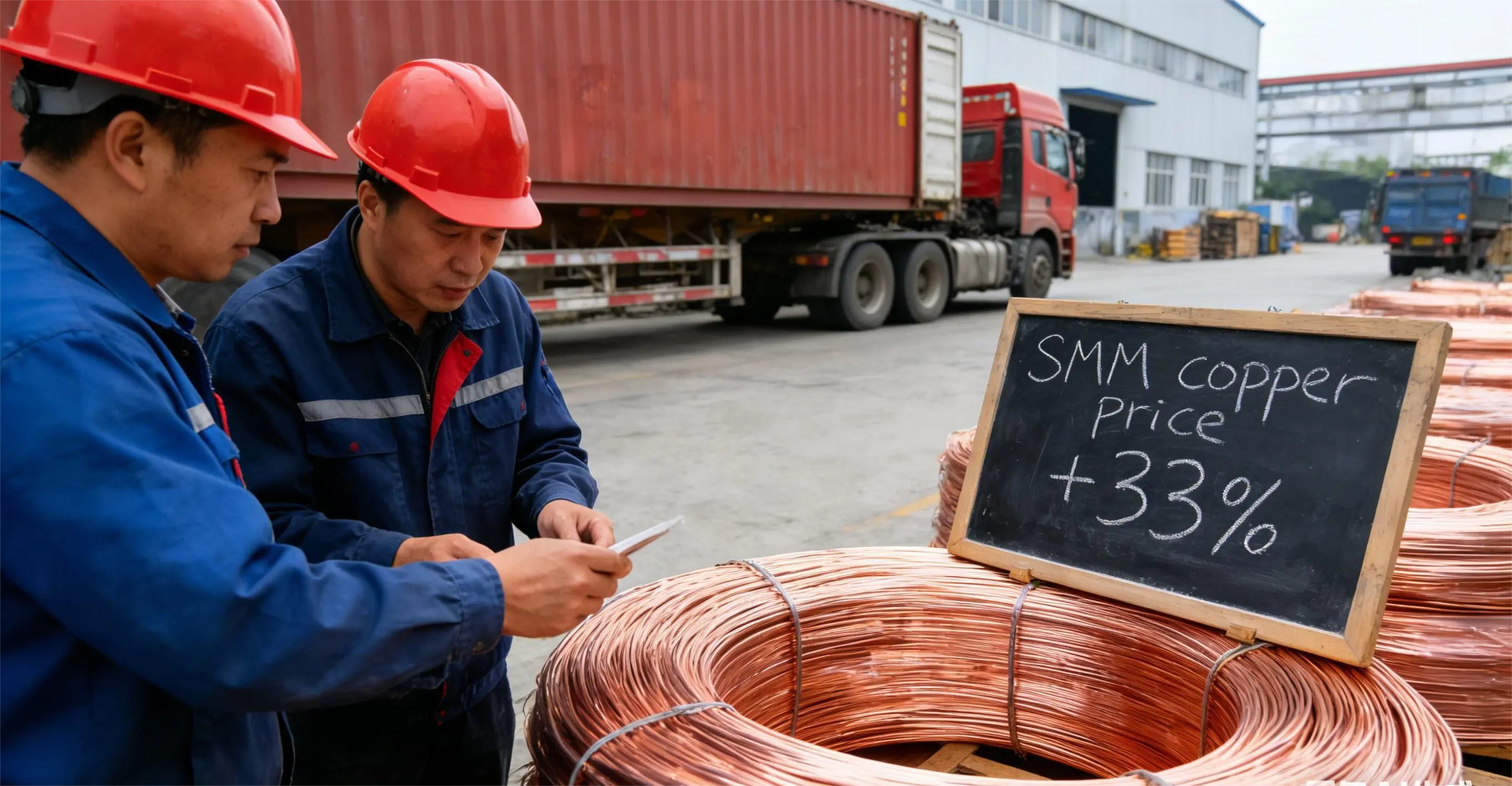
At the same time, the spot market is also feeling the pinch. Domestic SMM copper prices are up 33% from last year. Prices have been swinging so wildly that some downstream businesses have had to put some of their orders on hold.
2. Core Drivers of Price Growth
a. Tight Supply & Inventory Imbalance
Disasters and accidents reduced output at key copper mines in Indonesia and Chile in 2025, leading to a year-on-year decline in global copper mine production. Falling ore grades and prolonged new capacity cycles will keep copper concentrate supply tight for 3-4 years. Meanwhile, smelters cut production due to low processing fees, and global refined copper inventories are concentrated in COMEX, causing shortages in non-US regions.
b. Booming Demand from New Energy & AI
New energy vehicles and photovoltaic installations have driven a surge in copper demand. AI data centers have opened up new consumption growth points. Coupled with European and American power grid upgrades, global copper demand remains resilient, offsetting the weakness in traditional sectors.
c. Macro Policies & Liquidity
US monetary easing in 2025 weakened the dollar, and Fed rate cut expectations attracted capital to copper as an anti-inflation asset. Additionally, US plans to list copper as a critical mineral and potential tariff hikes have triggered preemptive hoarding, distorting global trade flows and pushing prices higher.
3. Industry Chain Impacts
Upstream resource enterprises benefit significantly from high prices, with profits soaring. Midstream smelters are under pressure from low processing fees. Downstream sectors like electronics and construction face cost pressures, with reduced profit margins and suppressed production schedules. Global investors are closely monitoring policy trends and supply-demand changes to adjust their strategies.